By Claire Whitaker
Updated November 2026
A chest opener with yoga blocks uses a block or two to support your torso while your chest and shoulders gently lengthen. In this guide you will learn how to set up a chest opener with yoga blocks, choose the right block height, and move through a short sequence that eases tightness from desk work or long hours of driving. The goal is more space across the front of the body, a softer upper back, and an easier time sitting and standing tall.
Why Use Blocks for a Chest Opener?
Many people who sit for most of the day develop a rounded upper back and tight pectoral muscles. A chest opener stretches the front of the shoulders and the muscles across the sternum, but without support it can be hard to relax into the stretch. Blocks act as a stable lever. They let gravity do some of the work, so you can hold the position for longer without straining the lower back or forcing the shoulders.
Shopping for one? See our guide: Foam vs Cork Yoga Blocks (2026): Which Is Better for Your Practice?.
Blocks are also adjustable. By changing the height, you can make the same pose feel gentle or deep. This makes chest openers with yoga blocks a useful option for beginners, people with stiff shoulders, and anyone who wants a restorative counterpose after a long day. If you are new to blocks, the article Yoga Blocks Explained covers the basic shapes and uses before you start.
What You Need Before You Start
You do not need much equipment, but a few items make the practice more comfortable:
- One or two yoga blocks. Two blocks give more stability, while one block is useful for a single-sided stretch.
- A yoga mat or a folded blanket for cushioning the spine and tailbone.
- An optional strap, in case you cannot reach your hands together behind your back.
- A small pillow or folded towel under the head if you lie back on a tall block.
If you are still deciding which blocks to buy, Foam vs Cork Yoga Blocks (2026): Which Is Better for Your Practice? compares the two materials most people choose between. For a broader look at combining equipment, see Yoga Mat and Blocks Set: How to Choose and Use One for Home Practice.
Step-by-Step: The Supported Chest Opener
This is the most common version of a chest opener with yoga blocks. It is done lying back over a block placed under the upper back.
Step 1: Set Up Your Block Height
Start with a low setting, around 4 to 6 inches, using a standard rectangular block on its flat side. A low height is safer for beginners and stiff backs. You can move to a higher height or a block on its tallest side once the stretch feels comfortable.
Step 2: Position the Block Under the Shoulder Blades
Sit with the block just behind you. Lie back slowly so the block rests under the middle of your shoulder blades, not under the lower back or the neck. Your head should be free to hang or rest on the mat.
Step 3: Open the Arms
Let your arms fall out to the sides, palms facing up. Keep your knees bent with feet flat on the floor. Breathe slowly into the front of your chest for five to eight breaths.
Step 4: Add a Second Block for Support
If your arms do not reach the floor comfortably, place a second block beside your hip or under each hand. This lets you rest fully and keeps the shoulders from pulling forward.
Step 5: Exit Slowly
Bend the knees, press through your feet, and roll to one side before sitting up. Coming up slowly protects the neck and lower back.
Standing Chest Opener With a Block Behind the Back
For a more active version, stand and hold a block behind your lower back at its widest point. Interlace your fingers if possible, or hold the block at the top and bottom edges. Gently draw the shoulders down and back as you lift the chest. Hold for five breaths and release.
This variation is helpful when you want to mobilize the upper back without lying down. It also suits people who feel uncomfortable on the floor.
Choosing the Right Block Height and Position
Height is the most important variable. The table below gives general starting points. Adjust based on how your body responds.
| Block Setting | Best For | Feeling Expected |
|---|---|---|
| Low (flat, 4–6 in) | Beginners, stiff shoulders | Gentle opening |
| Medium (on edge, around 6–8 in) | Regular practitioners | Moderate stretch |
| High (stacked or tallest side) | Experienced, flexible backs | Deeper opening |
Never place a block directly under the lumbar spine. The lower back curves naturally, and forcing it onto a block can cause strain. The block belongs under the thoracic spine, the mid-back area.
A Short Chest Opener Sequence
This four-pose sequence takes about 10 minutes and works well after a workday.
- Supported chest opener (2 minutes): lie back over one low block as described above.
- Arms-wide with two blocks (2 minutes): place one block under each hand and let the arms rest.
- Standing block stretch (1 minute per side): hold a block behind the back and open gently.
- Child’s pose with arms forward (2 minutes): use a block under the forehead to relax the neck.
Repeat the sequence once or twice a day if you feel tight. For more ideas arranged by time, see Yoga in Small Spaces, which suggests compact routines that fit a studio apartment or a shared room.
Safety Notes and Who Should Be Careful
A chest opener is generally gentle, but some people should be cautious. If you have a recent shoulder injury, rotator cuff problems, osteoporosis, a history of spinal fracture, or any chest or heart condition, check with a doctor or physical therapist before lying back over a block. Stop if you feel sharp pain, numbness, tingling, or dizziness. Mild stretching in the chest is normal, but pain is not.
Common Mistakes
- Placing the block too low. If the block sits under the lower back, the spine arches sharply. Move it up toward the shoulder blades.
- Using too high a block too soon. Start low and build up over several sessions.
- Forcing the arms to the floor. Use a second block so the arms can rest without strain.
- Holding the breath. Slow, even breathing lets the muscles soften. Holding the breath tightens them.
- Sitting up too fast. Roll to one side and press up with your arms to protect your neck and back.
Tips for a Better Practice
- Practice on a mat or with a blanket under the blocks for a non-slip surface.
- Keep your neck long. Let the head hang or rest on a folded towel.
- Stay in each pose for at least five deep breaths before judging how it feels.
- If you are new to props in general, Yoga Tips for Beginners offers guidance on building a consistent routine.
- Store your blocks where you can see them. A visible block is more likely to be used. Yoga Towels can help if you want to add extra cushioning or wipe down equipment after use.
Recommended gear
A stable, medium-density block is the most useful tool for this pose. Foam blocks are light and forgiving, while cork blocks offer a firmer, more grounded surface.
- Manduka Recycled Foam Yoga Block: a lightweight foam block that many students use for supported backbends and chest openers because it holds its shape under the back. View on Amazon
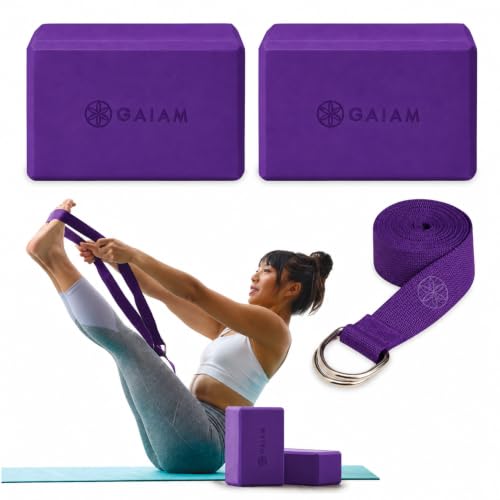
- Gaiam Essentials Yoga Block: a dense foam option that suits beginners and home practice, with a wide flat surface for stable placement. View on Amazon
- Yoga Tune-Up Cork Block: a firmer cork block that suits practitioners who want more rigidity under the thoracic spine. View on Amazon
FAQ
How often should I do a chest opener with yoga blocks?
Most people can practice it daily for five to ten minutes. Start with one session a day and add more if your body feels comfortable.
Is one block enough?
Yes. One block under the upper back is enough for most beginners. Add a second block when you want to support the arms or deepen the stretch.
Can I use a rolled towel instead of a block?
A firmly rolled towel or folded blanket can work for a low, gentle version, though it is less stable. Read What Are Good Substitutes for Yoga Blocks? 7 Options That Work for more options.
Should the block go under my shoulder blades or my spine?
Place the block under the mid-back, beneath the shoulder blades, not directly under the lower back or the neck.
Will this help with posture?
Regular chest openers can ease tightness in the front of the shoulders and encourage a more upright sitting position. Results vary, and they work best alongside movement breaks and strengthening for the upper back.
Is this safe during pregnancy?
Lying flat on the back is not recommended in later pregnancy. Consult your healthcare provider and a qualified prenatal yoga teacher before attempting any supported backbend.
What if my lower back hurts?
Lower the block height, move it higher on the back, or bend the knees more deeply. If pain persists, stop and speak with a medical professional.
Do I need a strap?
A strap is optional. It helps if you want to hold a standing block stretch with straight arms but cannot reach your hands together.
Conclusion
A chest opener with yoga blocks is a simple, adjustable way to open the front of the body and counter hours of sitting. Start with a low block under the mid-back, use a second block for support, and build height gradually. Keep the breath slow and the neck relaxed, and stop if anything feels sharp. With a few minutes a day, most people notice more ease in the shoulders and chest.
Related reading
- Yoga Mat and Blocks Set: How to Choose and Use One for Home Practice
- Yoga Blocks and Mat: Do You Need Both? Setup Tips and Picks
- Yoga Blocks Explained
Ready to choose one?
About Claire Whitaker
Claire Whitaker is part of our editorial team and reviews and edits our yoga guides, checking product details against manufacturer specifications and owner feedback.