By Claire Whitaker
Updated November 2026
Yoga blocks 4 inch are a compact, low-profile support that brings the floor closer to your hands or hips without adding much height. This guide explains who benefits most from a 4 inch block, how to use one in common standing, seated and supine poses, and which factors to check when you choose a set. By the end you will know whether a 4 inch block fits your body and practice, and how to set it up safely.
What a 4 Inch Yoga Block Does
A 4 inch block is shorter than the standard 9 inch block most studios use. Its low height makes it useful when you need only a small lift: bringing the floor up to your fingertips in a forward fold, supporting your sit bones slightly, or reducing the stretch in a hamstring. Because it takes up less vertical space, it also works well in tight apartments and under low furniture.
The main trade-off is range. A 4 inch block gives less support for people with long legs or limited mobility, who may need two blocks stacked or a taller option. Many practitioners keep a 4 inch block alongside a taller one so they can adjust the height as their flexibility changes. For a broader look at block sizing and materials, see Yoga Blocks Explained.
Who Should Use a 4 Inch Block
A 4 inch block tends to suit three groups:
- Practitioners with good flexibility who want a small amount of support rather than a full lift.
- People practicing in a small space, where a tall block takes up too much room.
- Beginners who want to build confidence in a pose before moving to a taller prop.
If you have a knee, hip or lower back condition, check with a physical therapist or doctor before adding props to your routine, since a block set at the wrong height can strain a joint.
Setting Up Your 4 Inch Block Safely
Step 1: Choose a Stable Surface
Place the block on a flat, non-slip mat or hard floor. Avoid carpet, which can cause the block to shift mid-pose. Press down on the block with your hand before you load it.
Step 2: Match the Block to the Pose
Decide whether you need the block flat or on its edge. Flat gives the widest, most stable surface and is the default for most standing and seated poses. Standing on the edge is rarely recommended for beginners.
Step 3: Build a Gradual Practice
Start with the block at its lowest setting, then add height only when the pose feels comfortable. For example, in a standing forward fold, rest your fingertips on the block rather than your palms, and later move to the palms as your hamstrings loosen.
Using a 4 Inch Block in Common Poses
Standing Forward Fold (Uttanasana)
Stand with feet hip-width apart and fold forward. Place the block under your fingertips or palms, keeping a soft bend in the knees. Let the head hang and breathe for five to eight slow breaths before rising.
Seated Forward Fold with Sit Bones Lifted
Sit on the block with the flat side down, which tilts the pelvis slightly forward and makes it easier to keep a long spine. Hold for five breaths, then sit on the floor if the position feels comfortable.
Supported Bridge or Reclined Bound Angle
Place the block under the sacrum in a supported bridge to relax the hips and lower back. Keep the block at its lowest height so the pressure stays gentle. Stay for up to two minutes.
Choosing a 4 Inch Block: What to Check
Use this checklist before buying:
- Dimensions: confirm the block is 4 inches tall and check its length and width against your other props.
- Material: foam is light and affordable, cork is firmer and more grippy, and wood is sturdy but heavier.
- Density: a firmer block gives more stability, while a softer one is gentler on the body.
- Surface grip: a textured or matte finish reduces slipping on sweaty hands or feet.
- Weight: lighter blocks are easier to carry to class, while heavier ones stay put during use.
The table below compares the three most common materials for small-height blocks.
| Material | Stability | Weight | Best for |
|---|---|---|---|
| Foam | Moderate | Light | Home practice and travel |
| Cork | High | Medium | Sweaty or grippy surfaces |
| Wood | Very high | Heavy | Firm support and durability |
For a deeper comparison, read Yoga Block Materials Compared and Foam vs Cork Yoga Blocks (2026): Which Is Better for Your Practice?.
Common Mistakes
- Choosing height by appearance instead of by need. A 4 inch block is useful only when the lift actually helps.
- Pushing into a fold before the back is long. Keep the spine neutral and let the block do the work.
- Using a slippery surface. Always test grip before loading your weight.
- Ignoring pain. Mild stretching is normal; sharp or joint pain means you should stop and adjust.
- Owning only one size. Pairing a 4 inch block with a taller one gives you room to progress.
Tips for Home Practice
Keep your blocks near your mat so you can set up without breaking flow. If you practice in a small room, Yoga in Small Spaces offers layout ideas. Beginners who are new to props may find Yoga Tips for Beginners helpful for building a routine.
Recommended gear
These items pair well with a 4 inch block for home practice.
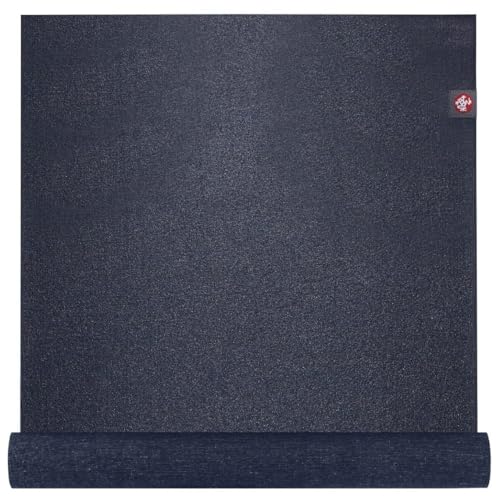
- Yoga mat with extra grip: a textured mat keeps the block from sliding during forward folds. View on Amazon
- Taller yoga block: a second block gives you a higher option as your flexibility improves. View on Amazon
- Yoga strap: useful for reaching the feet in seated and reclined poses when the block alone is not enough. View on Amazon
For a complete setup, see Yoga Mat and Blocks Set: How to Choose and Use One for Home Practice.
FAQ
Is a 4 inch yoga block too small for beginners?
No. Many beginners start with a low block because it provides a small, manageable lift. You can move to a taller block as your flexibility improves.
Can I use a 4 inch block instead of a larger one?
Only for poses that need a small amount of height. For poses that need a full lift, such as some seated or supported positions, a taller block works better.
Should I use the block flat or on its edge?
Flat is the safer and more stable choice for most poses. Standing on the edge is generally not recommended for beginners.
What material is best for a 4 inch block?
Foam suits home practice and travel, cork offers more grip, and wood gives the firmest support. Choose based on your surface and how much stability you need.
How do I clean a yoga block?
Wipe it with a damp cloth and mild soap, then let it air dry. Check the manufacturer’s care instructions, since some materials should not be soaked.
Do I need two blocks?
Two blocks give you more options for support and balance. Many practitioners find a pair more versatile than a single block.
When should I see a professional about pain in a pose?
If you feel sharp pain, numbness or persistent discomfort, stop the pose and consult a physical therapist, doctor or certified yoga therapist before continuing.
Conclusion
A 4 inch yoga block is a practical tool for small lifts, tight spaces and gentle progression. Choose it for its specific height, set it up on a stable surface, and use it in poses where a small amount of support helps. Pair it with a taller block as your practice grows, and listen to your body throughout.
Ready to choose one?
About Claire Whitaker
Claire Whitaker is part of our editorial team and reviews and edits our yoga guides, checking product details against manufacturer specifications and owner feedback.