By Claire Whitaker
Updated November 2026
Extra large yoga blocks give you more surface area, more height options and more stability than standard blocks, which makes them useful for taller practitioners, people who need extra support in seated and standing poses, and anyone setting up a home space that also doubles as a stretching area. This list compares six foam blocks from well-known yoga and fitness brands. Each one was chosen against the same criteria: block size and footprint, density and firmness, edge design and grip, material and cleaning, and how consistently owners describe the product as stable under load.
Best overall: Gaiam Yoga Block – View on Amazon
Our top picks at a glance
- 1
 TOP CHOICEBest overallGaiam Yoga BlockView on Amazon
- 2
 TOP CHOICEBest for deep, supported stretchesManduka Foam Yoga Block ThunderView on Amazon
- 3
 TOP CHOICEBest for a large, wide baseHugger Mugger Big Blue Foam Yoga BlockView on Amazon
- 4
 Best for three height settingsPeloton Yoga Blocks, Set of 2View on Amazon
- 5
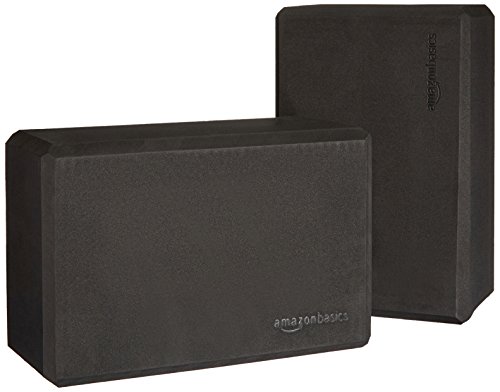 Best budget pickAmazon Basics Non-Slip Yoga Blocks, Set of 2View on Amazon
- 6
 Best for a single compact EVA blockYoga-Mad EVA Yoga BlockView on Amazon
Our Top Picks
| Product | Best for | Key feature |
|---|---|---|
| Gaiam Yoga Block | General home practice and balance work | Latex-free EVA foam with beveled edges |
| Manduka Foam Yoga Block Thunder | Deeper stretches needing firm support | Recycled EVA foam, easy to clean |
| Hugger Mugger Big Blue Foam Yoga Block | Users who want a broad, stable base | Oversized footprint |
| Peloton Yoga Blocks, Set of 2 | Practitioners who change heights often | Three height options per block |
| Amazon Basics Non-Slip Yoga Blocks, Set of 2 | Budget-conscious home setups | Non-slip surface, sold in a pair |
| Yoga-Mad EVA Yoga Block | Compact storage and light travel | High-density EVA, 30 x 20 x 5 cm |
Gaiam Yoga Block
Gaiam Yoga Block – Supportive Latex-Free Eva Foam – Soft Non-Slip Surface with Beveled Edges for Yoga, Pilates, Meditation – Yoga Accessories for Stability, Balance, Deepen Stretches
Best for: General home practice and balance work
This block suits people who want a single, versatile prop for standing balances, seated forward folds and supported bridge poses. It is a good match for those who prefer a softer, latex-free foam that still holds its shape under body weight.
Key specs
- Material: latex-free EVA foam
- Surface: soft, non-slip
- Edges: beveled
Pros
- Latex-free material suits people with latex sensitivities
- Beveled edges are comfortable on the hands and shins
- Non-slip surface helps in balance poses
Cons
- Softer foam can compress more under heavy load than denser blocks
- Sold as a single block, so pairs require a second purchase
Bottom line: A strong all-around choice for someone building a home practice who wants one reliable block for mixed styles.
View on AmazonManduka Foam Yoga Block Thunder
Manduka | Foam Yoga Block | Made From Recycled EVA Foam | Thunder | Comfortable Edges, Provides Stability & Support for Deeper Stretches in Yoga, Pilates, at the Studio or Home. Easy to Clean
Best for: Deeper stretches needing firm support
Practitioners who lean their weight into a block during restorative or deep stretching work will appreciate the firmer feel. It is also a sensible option for those who want a block made from recycled material.
Key specs
- Material: recycled EVA foam
- Designed for stability and support in yoga and Pilates
- Cleaning: wipes clean easily
Pros
- Firm support for deeper stretches
- Made from recycled EVA foam
- Easy to wipe clean after sweaty sessions
Cons
- Firmness may feel less forgiving for beginners who want more give
- Single-block purchase only
Bottom line: Best for practitioners who want a firm, supportive block and value a recycled-material product from an established yoga brand.
View on AmazonHugger Mugger Big Blue Foam Yoga Block
Hugger Mugger Big Blue Foam Yoga Block
Best for: Users who want a broad, stable base
The oversized footprint makes this block useful for people who need more contact area, such as those practicing supported poses with heavier loads or who want a wide surface to rest on during restorative work.
Key specs
- Oversized block design
- Foam construction
Pros
- Wide base gives strong stability
- Suits supported and restorative poses well
- Established yoga-accessory brand
Cons
- Larger size takes up more storage and mat-side space
- Bulk may be unnecessary for compact home studios
Bottom line: A good pick for users who prioritize a wide, steady platform over compact storage.
View on AmazonPeloton Yoga Blocks, Set of 2
Peloton Yoga Blocks, Set of 2 Sturdy EVA Foam Props with 3 Height Options | Extra Lift and Balance for New or Challenging Poses, Practice Aid for Improved Reach, Greater Stability and Enhanced Support
Best for: Practitioners who change heights often
Because each block offers three height settings, this pair suits people who progress through a range of poses and want to adjust support without buying extra props. It is also useful for those who follow guided classes that call for varying block heights.
Key specs
- Set of 2 blocks
- Sturdy EVA foam
- Three height options per block
Pros
- Three height options add versatility from one purchase
- Pair supports two-sided poses and symmetrical setups
- Stated purpose includes extra lift and balance
Cons
- Multi-height design can be less stable at certain settings than a solid block
- Fewer options if you prefer a single very large block
Bottom line: Ideal for practitioners who want a pair of adjustable blocks that grow with their practice.
View on AmazonAmazon Basics Non-Slip Yoga Blocks, Set of 2
Amazon Basics Non-Slip Yoga Blocks, Set of 2, Deepen Poses, 4" x 9" x 6", Black
Best for: Budget-conscious home setups
For people building a basic home kit on a limited budget, this set offers two non-slip blocks at a sensible entry point. It is a practical choice for beginners who want to try props before committing to a premium option.
Key specs
- Set of 2 blocks
- Non-slip surface
- Dimensions listed as 4 x 9 x 6 inches
Pros
- Budget-friendly way to get a matched pair
- Non-slip surface supports basic standing and seated work
- Simple, no-frills design
Cons
- Basic materials may not match the firmness of premium foam
- Limited features compared with multi-height designs
Bottom line: A sensible starter pair for beginners or anyone who wants to test how often they use blocks before spending more.
View on AmazonYoga-Mad EVA Yoga Block
Yoga-Mad EVA Yoga Block | 30cm x 20cm x 5cm | Eco Friendly Yoga Block | High Density EVA Non Slip Block for Yoga, Pilates and Home Workouts | Provides Support for Various Yoga Poses… (Single)
Best for: Compact storage and light travel
This block measures 30 cm by 20 cm by 5 cm, which makes it easy to slide into a bag or closet. It suits people with limited space who still want a dense, supportive EVA block for home or travel practice.
Key specs
- Dimensions: 30 cm x 20 cm x 5 cm
- High-density EVA foam
- Non-slip surface
Pros
- Compact footprint for storage and travel
- High-density foam provides firm support
- Works for pilates and home workouts as well
Cons
- Smaller surface area than the oversized options on this list
- Sold as a single block
Bottom line: The best fit for people who need a compact, dense block and do not require maximum surface area.
View on AmazonBuying Guide
Size and footprint
Extra large blocks typically offer a wider surface than standard blocks, which helps with stability and gives more room to rest a hand, hip or shin. Measure the space where you practice before choosing. A block that is too large can crowd a small room, while one that is too small may not add the support you need.
Good picks for this: Hugger Mugger Big Blue Foam Yoga Block, Yoga-Mad EVA Yoga Block
Foam density and firmness
Density affects how a block holds weight. Firmer, higher-density EVA resists compression and suits deep stretches, while softer foam can feel more comfortable for gentle work but may give under heavy load. Press the block with your hand before buying if you can, or read the density information the manufacturer provides.
Good picks for this: Manduka Foam Yoga Block Thunder, Yoga-Mad EVA Yoga Block
Edge design and grip
Beveled or rounded edges are more comfortable against the skin and reduce the chance of pinching when you press into the block. A non-slip surface matters most in standing balances and seated work where the block could shift.
Good picks for this: Gaiam Yoga Block, Amazon Basics Non-Slip Yoga Blocks, Set of 2
Adjustable height options
Some blocks provide more than one height setting, which lets you progress through poses without buying extra props. This is useful if you follow guided classes that call for different heights, though solid single-height blocks are usually more stable at their highest support level.
Good picks for this: Peloton Yoga Blocks, Set of 2
Material and health considerations
EVA foam is the most common material for yoga blocks. If you have latex sensitivities, check that the product is labeled latex-free. Recycled EVA is an option for buyers who prefer lower-impact materials. If you have a specific allergy or skin condition, consult a healthcare professional before choosing a material.
Good picks for this: Gaiam Yoga Block, Manduka Foam Yoga Block Thunder
Durability and cleaning
Foam blocks are generally easy to wipe down with a damp cloth and mild soap. Owners often report that surfaces stay intact with routine cleaning, but avoid harsh solvents and prolonged direct sun, which can degrade foam over time. Check manufacturer care instructions for the specific product.
Good picks for this: Manduka Foam Yoga Block Thunder, Hugger Mugger Big Blue Foam Yoga Block
Price and value for your practice
Think about how often you will use the blocks and what poses you practice. Beginners may get good value from a basic pair, while regular practitioners who rely on props for deep work may prefer a firmer, more durable block. Buy for the practice you have now and the one you expect in the next year.
Good picks for this: Amazon Basics Non-Slip Yoga Blocks, Set of 2, Manduka Foam Yoga Block Thunder
FAQ
How big is an extra large yoga block?
There is no single industry standard for “extra large.” Oversized blocks generally have a wider footprint than the common 4 x 6 x 9 inch size. Check the listed dimensions before buying, and compare them with the space you have for practice.
Are foam yoga blocks stable enough for balance poses?
Yes, when the foam is dense enough and the surface is non-slip. Firmer EVA blocks generally feel more stable than very soft foam. Test the block on a flat, non-carpeted floor for the most reliable footing.
Can I use one large block instead of two standard blocks?
In many cases, yes. A single wide block can replace two smaller ones for supported poses, though some sequences call for two blocks side by side. Consider which poses you practice most before deciding.
How do I clean a foam yoga block?
Wipe the surface with a damp cloth and mild soap, then let it air dry away from direct sunlight. Avoid strong solvents, which can damage the foam. Check the manufacturer’s care instructions for the product you choose.
Do yoga blocks wear out?
Foam blocks can compress, crack or lose grip over time, especially with heavy use or heat exposure. Replace a block if it shows deep dents, cracks or a surface that no longer grips. Dense foam generally lasts longer than soft foam.
Is it safe to use yoga blocks if I have a back or joint condition?
Blocks can help support the body in many poses, but people with injuries or chronic conditions should check with a doctor or physical therapist before starting a new routine. Use props to reduce strain, not to push past comfortable limits.
Conclusion
For most home practitioners, the Gaiam Yoga Block offers a balanced mix of comfort, grip and versatility. If you want firm support for deep stretches, the Manduka Foam Yoga Block Thunder is a strong option. People who need a wide, steady base should look at the Hugger Mugger Big Blue Foam Yoga Block, while the Peloton Yoga Blocks suit those who change heights often. For a budget starting point, the Amazon Basics pair is practical, and the Yoga-Mad EVA block works well where storage and portability matter most.
Sources
- Consumer product safety guidance on household and fitness product use, including general recommendations for safe handling of exercise equipment (cpsc.gov)
- Research and health information on exercise, flexibility and the use of supportive aids in physical activity (nih.gov)
Related reading
- 3 Best Yoga Mat Extra Large Options for Home Practice (2026)
- Yoga Mat and Blocks Set: How to Choose and Use One for Home Practice
- Yoga Blocks and Mat: Do You Need Both? Setup Tips and Picks
- Yoga Blocks Explained
About Claire Whitaker
Claire Whitaker is part of our editorial team and reviews and edits our yoga guides, checking product details against manufacturer specifications and owner feedback.