As an Amazon Associate I earn from qualifying purchases. This page may contain affiliate links.
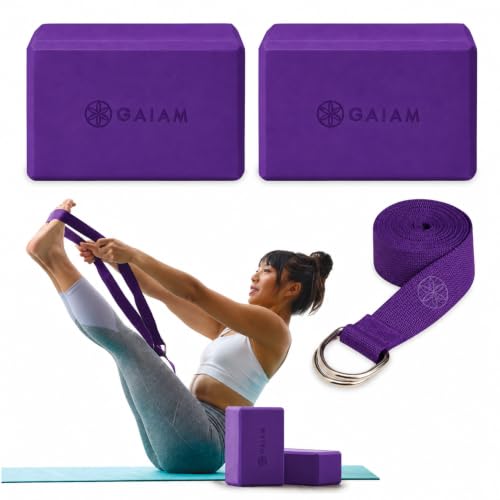
Foam vs cork yoga blocks is one of the most common choices beginners and experienced practitioners face when setting up a home practice. Foam blocks are lightweight, soft, and forgiving, which makes them a strong pick for restorative work, beginners, and anyone who wants a block that is easy to carry. Cork blocks are firmer, denser, and more stable under load, so they tend to suit people who lean heavily on their props in standing poses or who want a long-lasting tool. If you mostly practice gentle styles and value comfort, foam is usually the better fit. If you practice more strength-based or balance-focused yoga and want a firm, rigid surface, cork is the stronger choice.
Both materials do the same basic job. They raise the floor toward your hands, shins, or hips so you can reach a pose without strain. The differences show up in how they feel under your palm, how they hold up over months of use, and how stable they are when you shift your weight. The sections below walk through each criterion, name a winner for each one, and close with a clear recommendation. For background on block types in general, see Yoga Blocks Explained, and for a wider look at materials, Yoga Block Materials Compared covers options beyond these two.
Foam vs Cork Yoga Blocks at a Glance
The table below summarizes how each material compares across the main criteria. Use it as a quick reference before reading the detailed sections.
| Criterion | Foam Yoga Block | Cork Yoga Block |
|---|---|---|
| Weight | Very light, easy to carry | Heavier, more substantial feel |
| Firmness | Soft to medium, gives under pressure | Firm, rigid, holds its shape |
| Grip and slip resistance | Good on mats, can slide on smooth floors | Natural texture, good grip on most surfaces |
| Stability under weight | Can compress over time | Stable and supportive for standing poses |
| Durability | Can dent, crumble, or lose density with heavy use | Dense and long-wearing when properly cared for |
| Cleaning and hygiene | Wipes clean, porous surface can trap sweat | Wipes clean, naturally less porous |
| Best for | Restorative, beginners, travel | Standing poses, balance, daily practice |
Weight and Portability: Foam Wins
Foam blocks are noticeably lighter than cork, and that difference matters if you carry your block to a studio, a park, or a friend’s home. A typical foam block is easy to lift with one hand, while a cork block feels solid and dense by comparison. If you practice outdoors, travel for classes, or simply want a prop you can grab from a closet without thinking about it, foam is the more practical choice.
Cork is not heavy in an unmanageable way. Most people can carry one comfortably. But when you are comparing the two side by side, foam’s lightness is the clearer advantage. Winner: Foam.
Firmness and Support: Cork Wins
This is where the two materials diverge most. Foam compresses under pressure, which can feel comfortable when you rest a forearm on a block in a supported forward fold. However, that same give can make standing poses feel less stable. When you press a foam block into the floor during a half-moon or a side angle with the block under your hand, the surface may shift or sink slightly, which pulls your attention away from alignment.
Cork is firm and rigid. It does not compress, so it gives you a consistent height and a steady surface. For balance work, lunges where you rest a hand on the block, or any pose where you need the block to hold a load without changing shape, cork performs better. Many teachers prefer firmer props for active standing sequences for exactly this reason. Winner: Cork.
If you are unsure which firmness suits your body, it helps to think about what you need the block to do. Soft support is useful when you want to relax into a pose. Firm support is useful when you want to stay engaged and steady. For more on matching props to goals, see Yoga Props Buying Guide.
Grip and Slip Resistance: Cork Wins
Cork has a naturally textured surface that tends to grip the floor and your skin. On a yoga mat, both materials perform reasonably well, but cork generally stays put more reliably, especially on hardwood or tile where a foam block can slide if you push into it. Foam’s smooth outer skin can also feel slippery when hands are sweaty.
That said, grip is not only about the material. A block that is slightly tacky on the outside helps, and some foam blocks have a textured coating. Practicing on a mat rather than bare floor will reduce slipping for either material. Winner: Cork.
Durability and Longevity: Cork Wins
Cork is dense and tends to hold its shape for a long time with regular use. Foam is more prone to denting, compressing, or crumbling at the edges after months of heavy use, particularly if it is a lower-density foam. Owners often report that foam blocks lose their crisp edges sooner than cork ones, which can make them less comfortable to grip.
Foam is still perfectly durable for normal home practice. The difference becomes more noticeable with daily use, heavy standing work, or if the block is regularly tossed into a bag or stored under something heavy. Winner: Cork.
Cleaning and Hygiene: Tie
Both materials can be wiped down with a damp cloth and mild soap. Cork’s denser surface is less porous, which means it tends not to absorb sweat as readily. Foam, especially a more porous type, can hold onto moisture if it is not wiped regularly, so it is worth cleaning it after each session. Neither material should be soaked or machine washed. Air drying away from direct sunlight is the standard recommendation for both. Because the difference is small and depends heavily on how you care for the block, this one is a tie.
If you practice in a warm room or sweat heavily, cleaning your props after each session is good practice regardless of material. The same approach applies to other props; see Yoga Towels for tips on keeping your practice gear fresh.
Comfort for Sensitive Joints and Body Contact: Foam Wins
When a block is pressed against bony areas such as the shin, sit bones, or wrists, foam offers more cushioning. This is useful for people with sensitive joints, for restorative poses where you stay in a position for several minutes, or for anyone recovering from an injury. If you have a condition that makes weight-bearing uncomfortable, foam can reduce pressure. Anyone with an existing joint issue or injury should check with a physical therapist or physician before choosing a prop for therapeutic use. For guidance on adapting poses safely, see Yoga Pose Modifications and Yoga for Back Pain: A Step-by-Step Guide to Gentle Relief.
Cork feels firmer against the body, which some practitioners find more supportive in standing work but less comfortable in long holds. Winner: Foam.
Cost and Value for Different Budgets
Foam blocks are widely available and generally sold as a budget pick, which makes them a sensible starting point for beginners who are not yet sure how often they will practice. Cork blocks are typically considered a premium option, and many buyers see them as a longer-term investment because of their durability. Because prices vary by retailer and change often, check current listings directly rather than relying on a fixed figure. Winner: Foam for budget-conscious buyers, cork for those who want a longer-lasting prop.
Which Should You Choose?
The right block depends on how you practice and what you need from a prop. Use the points below to narrow your decision.
- Choose foam if you practice restorative, yin, or gentle yoga and want something soft under your body.
- Choose foam if you travel often, practice outdoors, or want the lightest option that is easy to carry.
- Choose foam if you are a beginner on a modest budget and want to test how often you practice before committing.
- Choose foam if you have sensitive joints and want cushioning during longer holds.
- Choose cork if you practice vinyasa, power, or balance-focused styles and want a firm, stable surface.
- Choose cork if you plan to use your block daily for many years and want a prop that holds its shape.
- Choose cork if you rely on your blocks for standing poses and need reliable grip on hard floors.
- Choose cork if you want a block that feels solid and supports weight without compressing.
Many practitioners end up owning both. A foam block works well for restorative sessions and travel, while a cork block handles more demanding standing work. If you are new to props entirely, Yoga Props Buying Guide and Best Yoga Blocks offer broader guidance before you commit.
Our Picks by Material
If you want to see specific options, these are the types of products worth comparing. Each link opens an Amazon search for the product.
Foam option: A standard high-density foam block is a reliable choice for most home practitioners. View on Amazon
Cork option: A solid cork block is the usual choice for those who want firmness and durability. View on Amazon
Check the dimensions, density rating, and return policy on any listing before buying, since specifications can vary between versions of the same product line.
FAQ
Is a foam or cork yoga block better for beginners?
Foam is usually the better starting point for beginners. It is lighter, softer on the body, and generally less expensive. Beginners often spend a lot of time in seated and reclined poses where that cushioning is helpful. Once you move into more standing work, a firmer block may feel more supportive.
Do cork yoga blocks last longer than foam?
In most cases, yes. Cork is denser and tends to resist denting and compression better than foam. How long either block lasts depends on how often you use it, how you store it, and whether you keep it away from heat and direct sunlight. Owners often report that foam blocks show wear sooner under heavy daily use.
Which block grips the floor better, foam or cork?
Cork generally grips better, especially on hard floors. Foam can slide if you press into it on a smooth surface. Practicing on a mat and keeping your hands dry will help with either material.
Can I use a foam block for standing poses?
You can, but many practitioners find cork more stable for standing poses that require you to lean or press into the block. Foam is still useful for supported standing positions where you do not need to bear much weight through the block.
How do I clean foam and cork yoga blocks?
Wipe both with a damp cloth and a mild soap solution, then air dry away from direct sunlight. Do not soak either material or put it in a washing machine or dryer. Clean regularly, especially after sweaty sessions, to keep the surface fresh and prevent odor.
Conclusion
Foam vs cork yoga blocks comes down to a trade-off between comfort and firmness. Foam wins on weight, cushioning, and value for beginners and restorative practice. Cork wins on grip, stability, and long-term durability for active, standing, and balance-focused work. Tie on hygiene when both are cleaned properly. Think about your main style, how often you practice, and whether you need to carry your props, then choose the material that matches. If you have a specific joint or injury concern, check with a qualified professional before relying on a prop for therapeutic support.