As an Amazon Associate I earn from qualifying purchases. This page may contain affiliate links.
Yoga for back pain can help you ease stiffness, build support around your spine and move with less discomfort, especially when the pain is mild to moderate and tied to tight muscles or long hours sitting. In this guide, you will learn how to set up a gentle practice, choose poses that suit a sore back, follow a short sample routine and avoid the mistakes that can make pain worse. This is general fitness information, not medical advice, so check with a doctor or physical therapist before starting if your pain is severe, follows an injury or comes with numbness, weakness or pain that travels down a leg.
Before You Start: Know What Your Back Needs
Not every back pain responds the same way to movement. Some people feel better after gentle stretching, while others feel flare-ups from deep twists or forward bends. Before you begin, spend a few minutes noticing how your back feels now and how it responds to simple movement.
Shopping for one? See our guide: 5 Best Morning Chair Yoga for Seniors (2026): Expert Picks.
Signs a gentle practice is a good fit
- The ache is dull, muscular or stiff rather than sharp.
- Movement eases the discomfort within a few minutes.
- You have no numbness, tingling or weakness in your legs.
- You have been cleared for exercise by a health professional, if you have a known condition.
Signs to stop and get checked
- Pain that is sharp, shooting or worsening during or after practice.
- Numbness, tingling, or leg weakness.
- Pain after a fall, accident or sudden injury.
- Fever, unexplained weight loss, or pain that wakes you at night.
If any of these apply, consult a doctor or licensed physical therapist before continuing.
Setting Up Your Practice
A few small choices make a large difference. Keep sessions short, practice on a surface that cushions your spine, and use props so you can rest in positions without strain.
Tools you will need
- A non-slip mat with enough cushioning to protect your hips and spine. A mat about 4 to 6 millimeters thick is a common choice for floor work.
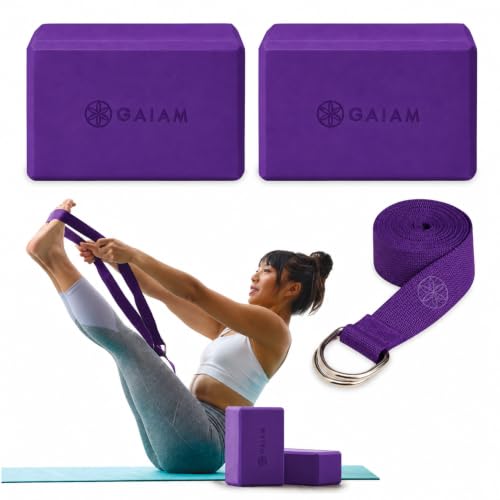
- Two yoga blocks to bring the floor closer to your hands or to support your head and hips.
- A folded blanket for padding under the knees, head or sitting bones.
- A bolster or firm pillow for restorative positions that support the spine.
- A strap to reach your feet or hold a stretch without rounding your back.
If you are short on room, you can still practice effectively. The guide Yoga in Small Spaces covers layouts that work in a bedroom or living room corner.
Choosing the right time and pace
Many people find that a short session in the morning loosens stiffness after sleep, while an evening session helps release tension from a long day. Start with 10 to 15 minutes, three to four times per week. Move slowly, breathe through each pose, and aim for a comfortable stretch rather than maximum range. The Ten-Minute Yoga Routine is a useful template if you want a very brief starting point.
Gentle Poses for Back Pain Relief
The poses below are commonly recommended for people with mild back stiffness. Hold each for 30 to 60 seconds unless noted, and breathe slowly throughout. Stop any movement that increases pain.
Cat-Cow (Marjaryasana-Bitilasana)
Start on hands and knees with wrists under shoulders and knees under hips. On an inhale, let your belly drop and lift your chest and tailbone gently. On an exhale, round your spine toward the ceiling and tuck your chin. Repeat for 8 to 10 slow cycles. This movement warms the spine and encourages gentle mobility.
Child’s Pose (Balasana)
Sit back toward your heels with knees wide or together, and rest your forehead on the mat or on a folded blanket. Let your arms rest alongside your body or stretch forward. If your hips do not reach your heels, place a rolled towel or a block under your torso. Hold for 1 to 2 minutes.
Supine Knee-to-Chest
Lie on your back with knees bent and feet flat. Hug one knee toward your chest, keeping the other leg extended or bent. Hold for 30 seconds, then switch sides. Keep your head relaxed on the mat. This gently lengthens the lower back and glutes.
Supine Twist
From the same position, drop both knees to one side while keeping your shoulders flat. Use a block or blanket under the knees if the stretch is too intense. Hold for 30 to 60 seconds on each side. Twists should feel like a gentle wringing motion, not a forceful push.
Bridge Pose (Setu Bandha Sarvangasana)
Lie on your back with knees bent and feet hip-width apart. Press through your feet and lift your hips a few inches, keeping your knees over your ankles. Hold for 5 breaths, then lower slowly. This builds support in the glutes and hamstrings, which often take pressure off the lower back.
Legs-Up-the-Wall (Viparita Karani)
Sit sideways against a wall, then swing your legs up as you lower your back to the floor. Rest here for 5 to 10 minutes with arms relaxed. Many people find this restful position calming for tired, achy backs.
A Sample 15-Minute Routine
Use this sequence as a starting point. Move at your own pace and skip any pose that does not feel right.
| Step | Pose | Duration | Purpose |
|---|---|---|---|
| 1 | Cat-Cow | 1 minute | Warm up the spine |
| 2 | Child’s Pose | 1 minute | Release the lower back |
| 3 | Supine Knee-to-Chest (each side) | 2 minutes | Ease lower back tension |
| 4 | Supine Twist (each side) | 2 minutes | Gentle spinal rotation |
| 5 | Bridge Pose | 2 minutes | Support glutes and hamstrings |
| 6 | Legs-Up-the-Wall | 5 minutes | Restorative rest |
| 7 | Seated breathing | 2 minutes | Settle and reflect |
Common Mistakes to Avoid
- Forcing the stretch. Pain is a signal to ease off. A stretch should feel like a mild pull, not a sharp ache.
- Holding your breath. Slow, steady breathing helps muscles relax. Breath-holding often increases tension.
- Jumping into deep backbends. Intense poses such as deep wheel or full camel can strain a sensitive back. Build up gradually, or skip them entirely.
- Skipping props. Blankets and blocks reduce strain. Using them is a sign of good practice, not weakness.
- Practicing only when you hurt. Consistent, gentle movement over several weeks tends to matter more than one intense session.
Tips for a Safer, More Effective Practice
- Warm up with a few minutes of gentle movement before stretching.
- Keep your neck long and your jaw soft during forward folds and twists.
- Engage your core lightly to support the lower back, without bracing hard.
- Log how you feel after each session to spot patterns. The guide Tracking Your Yoga Practice explains a simple method.
- If you are new to yoga, read Your First Yoga Class so you know what to expect from a class setting and how to speak up about your back.
- Pose modifications are your friend. Yoga Pose Modifications shows easy alternatives for many standard poses.
Recommended gear
Good props can make a gentle practice more comfortable and easier to sustain. The following items are commonly used for back-friendly yoga.
- Cork or foam yoga blocks bring the floor closer to your hands and support your spine in seated and reclined poses. View on Amazon
- A bolster provides firm support under the torso or knees in restorative poses. View on Amazon
- A thick mat cushions the hips and spine on hard floors. View on Amazon
- A yoga strap helps you reach your feet in reclined stretches without rounding your lower back. View on Amazon
For a deeper look at props, see Yoga Props Buying Guide.
FAQ
Can yoga really help back pain?
Gentle yoga may help reduce stiffness and improve comfort for some people with mild to moderate back pain, particularly when combined with regular movement. Results vary, and it is not a cure for every condition.
How often should I practice yoga for back pain?
Many people start with 10 to 15 minutes, three to four times per week. Consistency tends to matter more than session length, so choose a schedule you can keep.
Is yoga safe if I have a herniated disc?
It depends on your condition and symptoms. Many people with disc issues are advised to avoid deep forward bends and heavy twists. Check with your doctor or physical therapist before starting.
Which style of yoga is best for a sore back?
Gentle, restorative, and Iyengar-style approaches often use props and slower pacing, which many people find easier on the back. What Are the Different Types of Yoga? 8 Major Styles Explained compares the main styles.
Should I stretch if my back hurts?
Gentle movement is often better than rest for mild back pain, but you should avoid any stretch that causes sharp pain or worsens symptoms. Stop and seek advice if pain increases.
Do I need special equipment?
No. You can start with a mat and a folded blanket. Blocks, a bolster and a strap are helpful additions as you progress.
When should I see a doctor instead of practicing yoga?
See a doctor promptly if you have severe pain, numbness, leg weakness, bladder or bowel changes, pain after an injury, or pain that does not improve over time.
Conclusion
Yoga for back pain works best when you start gently, use props freely and listen closely to your body. A short routine of cat-cow, child’s pose, supine stretches and legs-up-the-wall can build a sustainable habit. Pair your practice with professional guidance when symptoms are serious or persistent, and let steady progress, not intensity, guide you.