By Declan Maddox
As an Amazon Associate we earn from qualifying purchases. This page may contain affiliate links.
Morning chair yoga for seniors works best when the setup is stable, easy to reach, and comfortable enough to repeat every day. This list is for adults over 60 who want a short, gentle routine at home and need simple equipment that supports balance and joint comfort. The key buying factor is stability: a chair or prop that shifts, tips, or slides will undermine the whole practice before the first stretch is finished.
Quick picks
| Pick | Best for | Key feature |
|---|---|---|
| Armless, firm-seat chair | Anyone who needs a dependable base for every pose | Four flat, non-slip feet and no wheels or reclining action |
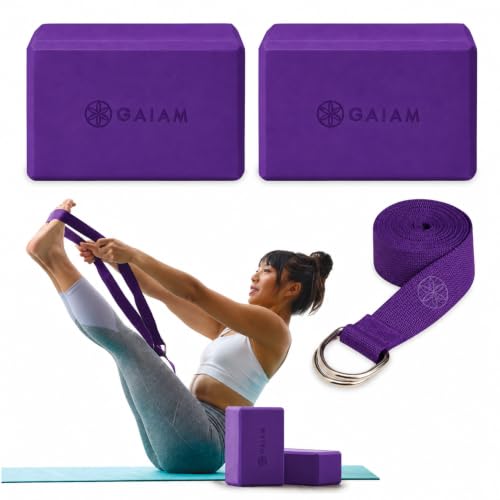
| Foam or cork yoga blocks (pair) | Reaching the floor or lowering the hands with less strain | Stable, lightweight blocks with a flat, grippy surface |
| Cotton yoga strap | Extending reach for arm and leg movements from a seated position | Multiple loops or a secure D-ring buckle |
| Non-slip yoga mat | Ankle, hip, and floor-level transitions near the chair | Textured surface and a moderate thickness for cushioning |
| Yoga bolster or support cushion | Back support and gentle forward folds in a seated posture | Firm, washable cover with a supportive core |
How We Chose These Morning Chair Yoga for Seniors Props
This selection is based on research into product specifications, brand reputation, and patterns in owner feedback. We did not test these products ourselves. Instead, we compared what manufacturers publish about dimensions, materials, and weight limits, and we looked at what owners tend to say about them across retail and review sites.
Four criteria shaped the final five:
- Stated specifications. We favored products that list clear dimensions, weight capacity, and materials. For chairs, that meant a documented seat height and a weight rating. For blocks and straps, it meant exact measurements and a material description.
- Brand reputation. Established yoga equipment brands, such as Gaiam and Manduka, have long track records in props and mats. We gave weight to companies with consistent product information and visible customer service policies. Where a product is a general type rather than a single model, we describe the category so you can match it to your own space.
- Owner feedback patterns. We looked for recurring themes rather than single reviews. Owners often report that a chair with a firm seat and wide feet feels more secure than one with a padded, sinking seat. They also tend to praise blocks that are light enough to lift easily and straps with a buckle that holds without slipping.
- Fit for the practice. A morning routine should be short, low-impact, and done without much setup time. We prioritized props that are simple to store, clean, and move, because a prop that sits in a closet rarely gets used.
No single item is required for chair yoga. Many people start with only a sturdy chair and a wall. Props simply make certain movements easier to control. If you are unsure which pieces fit your situation, a short conversation with a physical therapist or your doctor can help you decide what level of support makes sense before you begin.
Armless, Firm-Seat Chair
Who it’s for: Adults who want a stable base for seated forward folds, twists, and standing-assisted movements. This is the most important purchase in the list, because every other prop depends on a chair that stays put.
Manufacturers of armless dining and office-style chairs usually publish seat height, depth, and weight capacity. For most people doing morning chair yoga, a seat height that lets the feet rest flat on the floor with knees at or slightly below hip level is the goal. Many owners recommend a seat between about 17 and 19 inches from the floor, though the right height depends on leg length and mobility.
Pros:
- Flat, non-slip feet keep the chair from sliding during side bends and reaches.
- Armless designs leave room for full arm movement, which is useful for overhead stretches.
- A firm seat provides a predictable surface, which many people find easier for balance than a soft cushion.
Cons:
- Some models are heavier than expected, which can make moving them between rooms tiring.
- Chairs without a backrest may not suit everyone, so a wall or second chair may be needed for support.
Check the weight rating before buying, and confirm that the chair has no wheels, casters, or reclining mechanism. Those features are useful at a desk but work against stability during yoga.
Foam or Cork Yoga Blocks (Pair)
Who it’s for: People who cannot comfortably reach the floor or hold a seated stretch with straight arms. Blocks shorten the distance between the hands and the ground, which lets the spine lengthen without forcing the hamstrings or lower back.
Foam blocks are the lightest option and are often recommended for beginners because they are soft on the wrists. Cork blocks are firmer and more stable under pressure, which some people prefer for supporting weight. Standard blocks are commonly sold in a size around 9 by 6 by 4 inches, and manufacturers usually list those dimensions. For more on material differences, see our guide to Yoga Block Materials Compared, and if you want a deeper look at how blocks are used, read Yoga Blocks Explained.
Pros:
- Lightweight and easy to pick up, even from a seated position.
- Available in foam, cork, and wood, so you can match firmness to preference.
- Useful for seated forward folds, side stretches, and supported hand placement.
Cons:
- Foam blocks can compress over time, which reduces their height and support.
- Smooth finishes on some wood blocks can slide on hard floors, so a non-slip surface matters.
Buy a pair rather than a single block. Using both sides of the body evenly makes the practice more balanced.
Check price on AmazonCotton Yoga Strap
Who it’s for: Anyone who wants to reach a foot, ankle, or thigh without bending too far forward or straining the shoulders. A strap extends the reach of the arms and helps maintain alignment during seated leg extensions and gentle shoulder rolls.
Most straps are made from cotton or cotton blends and are commonly sold in lengths of about 6 to 8 feet. A metal D-ring or cam buckle lets you adjust the loop size. The right length depends on your height and how far you plan to reach. For a fuller overview, our article on Yoga Straps Explained covers buckle types and length choices.
Pros:
- Extends reach for seated stretches without forcing the body into strain.
- Simple to store and very low cost relative to other props.
- Multiple loops allow one strap to serve both arms and legs.
Cons:
- Cheaper buckles can loosen during use, so check the hardware before the first session.
- Strap length that is too long can make control harder, especially for beginners.
Non-Slip Yoga Mat
Who it’s for: People who want a cushioned, grippy surface beside the chair for transitions, such as rising from the floor, placing feet during standing-assisted poses, or lying down for a short rest. A mat also marks out a clear practice area.
Mat thickness matters for comfort and stability. Thinner mats give better ground feel, while thicker mats provide more cushioning for knees and hips. Our Yoga Mat Thickness Guide explains how to choose based on your needs. Manufacturers such as Manduka and Gaiam publish thickness and material details, which makes comparison straightforward.
Pros:
- Textured surfaces grip the floor and reduce slipping during standing movements.
- Cushioning helps protect knees and hips when transitioning to and from the floor.
- Defines a clear, consistent space for the morning routine.
Cons:
- Very thick mats can feel unstable for standing balance, which may work against the goal.
- Some natural rubber mats have a strong initial odor, which may bother sensitive people.
Look for a mat that stays flat on the floor without curling at the edges. Edges that lift can become a trip hazard.
Check price on AmazonYoga Bolster or Support Cushion
Who it’s for: People who want back support while sitting, or who need a gentle cushion under the hips for seated forward folds. A bolster can also raise the seat for those who find floor sitting uncomfortable, though it should never replace a stable chair.
Bolsters come in rectangular and round shapes. Rectangular bolsters are generally more stable and easier to position against a chair back. Look for a removable, washable cover and a fill that holds its shape. For more context on how these are used, see Yoga Bolsters and Yoga Blankets, which also covers folded-blanket support.
Pros:
- Provides lumbar or sacral support during seated postures.
- Rectangular designs stay in place better than round ones against a chair back.
- Washable covers make hygiene simpler for daily use.
Cons:
- Soft fills can compress quickly, reducing the support you feel after a few weeks.
- Bulky shapes take up room in smaller apartments and may need dedicated storage.
Morning Chair Yoga for Seniors: Buying Guide
The five picks above cover the most common needs. The following factors will help you decide which items to buy first and how to judge any product you find.
1. Stability and Base Design
Stability is the foundation. A chair or prop that moves under you turns a calm stretch into a fall risk. Check for flat, non-slip feet, a low center of gravity, and a seat that does not tilt or rock. If you plan to practice on hard floors, consider rubber-tipped feet or a small mat underneath the chair.
2. Seat Height and Leg Length
Seat height determines how comfortably you can place your feet flat and keep your knees at or below hip level. Measure from the floor to the top of your seat with your feet flat and knees bent at about 90 degrees. Many people find that a chair within a few inches of that measurement works best. If your current chair is much lower, a firm cushion may help, but test it carefully before relying on it.
3. Weight Capacity and Build Quality
Manufacturers list maximum weight limits for chairs, and those limits should be treated as the upper boundary, not a target. Choose a chair rated well above your body weight, especially if you will lean, twist, or lift during the practice. Look for solid joints and screws that are easy to tighten. Loose hardware is a common complaint in owner feedback for lower-priced seating.
4. Material and Grip
Blocks, mats, and straps differ in grip and comfort. Cork and natural rubber offer good traction. Foam feels softer on the hands. Cotton straps are gentle on the skin but can stretch slightly over time. Choose materials based on how you will use them. A surface that grips well on the floor may also feel too sticky for certain movements, so try to handle or see the product in person when possible.
5. Portability and Storage
Morning routines work best when equipment is easy to reach. If you practice in a small room, look at weight, dimensions, and whether the item stacks or folds. The guide to Yoga in Small Spaces offers layout ideas that work well with a chair and a few props. Storage habits also affect how long equipment lasts. Our article on Storing Yoga Equipment covers simple ways to keep props clean and dry.
6. Ease of Cleaning and Durability
Daily use means regular cleaning. Washable covers on bolsters, machine-washable straps (following the label), and mats that wipe clean are practical features. Durable materials matter because props are handled often. Check the manufacturer’s care instructions before buying, since some natural materials need gentler cleaning.
FAQ
How long should a morning chair yoga session last?
Many people find that 10 to 20 minutes is a comfortable starting point. Shorter sessions are easier to repeat every day, which often matters more than length. A simple sequence, such as the one in our Twenty-Minute Yoga Routine, can be trimmed to fit your energy level. Begin with five to ten minutes and add time gradually if you feel steady and comfortable afterward.
Do I need all five props to start?
No. A stable, armless chair is the only item most people truly need to begin. Blocks and a strap are useful additions once you know which movements you want to modify. Props should support the practice, not become a shopping list. Start with what you have and add items as specific needs appear.
How do I know if a pose is too much for me?
Pain, dizziness, shortness of breath, or sharp joint discomfort are signs to stop and adjust. Stretching should feel like a gentle pull, not a sharp or burning sensation. Our article on Understanding Your Limits in Yoga explains how to listen to your body. If you have a medical condition, recent surgery, or balance concerns, speak with your doctor or a physical therapist before starting a new routine.
Can I use a regular dining chair for chair yoga?
Often, yes, if it is armless, sturdy, and has flat feet that do not slide. Check that it does not wobble when you lean or shift weight. Avoid rocking chairs, chairs with wheels, and reclining chairs. If a dining chair has arms, you can still practice, but arms may limit some overhead and side-bend movements.
Where can I learn basic poses before I start?
Start with the basics of seated and standing movements. Our Chair Yoga guide walks through foundational poses, and Yoga Pose Modifications shows how to adapt a movement when it feels too intense. Combining a clear guide with a stable setup makes it easier to build a routine you can keep up each morning.
Related reading

About Declan Maddox
Declan puts together our yoga guides, digging through specifications, manufacturer details and owner reviews so you don't have to.