By Claire Whitaker
Updated November 2026
Finding a hot yoga non slip mat matters more than most people expect. In a room heated to around 105 degrees Fahrenheit, sweat builds quickly on your palms, feet and forehead, and a mat that grips well on a dry floor can turn slick within a few minutes. The mats below were chosen by comparing manufacturer specifications, brand track records and the grip, sweat resistance and cushioning patterns that owners tend to describe in their reviews. Each one is built with a surface meant to hold up under heavy perspiration.
Our top picks at a glance
- 1
 TOP CHOICEBest overallGaiam Dry-Grip Yoga Mat, Non-Slip, Hot Yoga (Marbled)View on Amazon
- 2
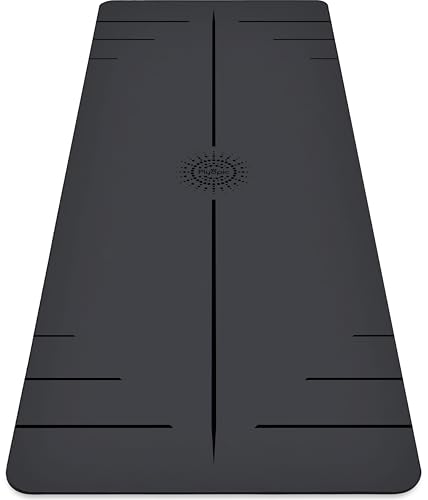 Best for vinyasa with alignment cuesPlyopic Ultra Grip PRO Yoga Mat – EXTREME Non-Slip PerformanceView on Amazon
- 3
 Best budget pickIUGA Yoga Mat Thick Non Slip Anti-tear Pilates MatView on Amazon
Our Top Picks
Quick Comparison
| Product | Best for | Key feature |
|---|---|---|
| Gaiam Dry-Grip Yoga Mat, Non-Slip, Hot Yoga (Marbled) | Most heated class students | Sweat-resistant dry-grip surface |
| Plyopic Ultra Grip PRO Yoga Mat | Students who want alignment guidance | Dry and wet grip with alignment lines |
| IUGA Yoga Mat Thick Non Slip Anti-tear Pilates Mat | Budget-minded practitioners | Thick, anti-tear construction |
Gaiam Dry-Grip Yoga Mat, Non-Slip, Hot Yoga (Marbled)
Gaiam Dry-Grip Yoga Mat, Non-Slip, Hot Yoga (Marbled) | Sweat-resistant dry-grip surface stays non-slip even in hot yoga.
Best for: Most heated class students who want a dependable grip without a lot of fuss.
This mat suits people who sweat heavily and practice in hot rooms several times a week. Its dry-grip surface is designed to stay secure as moisture builds, which is the main thing a hot yoga mat has to do.
Key specs
- Marketed specifically for hot yoga use
- Dry-grip, non-slip surface
- Marbled finish
Pros
- Designed around sweat-resistant grip for heated rooms
- Suitable for standing poses where footing matters most
- Straightforward, no-frills design that is easy to wipe down
Cons
- Grip performance can still vary with towel use and how often the surface is cleaned
- Less alignment guidance than some alternatives
Bottom line: A strong first choice for anyone whose main concern is staying planted in a heated room.
View on AmazonPlyopic Ultra Grip PRO Yoga Mat – EXTREME Non-Slip Performance
Plyopic Ultra Grip PRO Yoga Mat – EXTREME Non-Slip Performance – Dry & Wet Grip – Smarter Alignment Lines – Comfortable & Sweat Resistant – For Yoga, Pilates & Hot Yoga
Best for: Students who want alignment guidance along with a secure grip.
This option fits practitioners who move through flowing sequences and rely on visual cues to keep their feet and hands placed correctly. Its listing emphasizes performance on both dry and damp surfaces, which suits the changing conditions of a hot room.
Key specs
- Dry and wet grip surface
- Built-in alignment lines
- Sweat-resistant design, listed for yoga, Pilates and hot yoga
Pros
- Alignment lines help with foot and hand placement
- Grip is marketed for both dry and damp conditions
- Versatile across yoga and Pilates styles
Cons
- Alignment markings may feel busy to beginners who prefer a plain surface
- Exact thickness and weight should be checked on the listing before purchase
Bottom line: Best suited to students who want structure and grip in one mat and practice styles that move quickly.
View on AmazonIUGA Yoga Mat Thick Non Slip Anti-tear Pilates Mat
IUGA Yoga Mat Thick Non Slip Anti-tear Pilates Mat Eco Friendly Hot Yoga Mats for Workout & Exercise(72"x 24"x 6mm)
Best for: Budget-minded practitioners who want thickness and grip without a premium price tag.
This mat is a practical option for people building a home or studio practice on a tighter budget. Its thicker profile adds cushioning for knees and wrists, and the non-slip surface is designed for everyday sessions, including warmer rooms.
Key specs
- Listed dimensions: 72 inches by 24 inches
- Listed thickness: 6 mm
- Eco-friendly, anti-tear construction
Pros
- Generous 6 mm thickness adds joint cushioning
- Long, wide footprint suits taller practitioners
- Good value for a non-slip mat designed for varied workouts
Cons
- Thicker mats can feel less stable in balance poses for some students
- Sweat resistance in very hot rooms may not match premium dry-grip surfaces
Bottom line: A sensible pick for students who want cushioning and a secure surface on a budget and practice in moderately heated classes.
View on AmazonBuying Guide
Grip Surface and Sweat Resistance
The surface is the single most important factor. Look for language like dry grip, sweat resistance or non-slip performance in heated conditions. A mat that feels grippy when dry can lose traction once it is damp, so check whether the manufacturer specifies performance in wet conditions.
Good picks for this: Gaiam Dry-Grip Yoga Mat, Non-Slip, Hot Yoga (Marbled); Plyopic Ultra Grip PRO Yoga Mat
Thickness and Joint Cushioning
Thickness is usually listed in millimeters. Thinner mats, around 3 to 4 mm, give more ground feel and stability for balance work. Thicker mats, around 5 to 6 mm, add cushioning for knees, wrists and hips. Choose based on whether you prioritize stability or padding.
Good picks for this: IUGA Yoga Mat Thick Non Slip Anti-tear Pilates Mat; Gaiam Dry-Grip Yoga Mat, Non-Slip, Hot Yoga (Marbled)
Length and Width
Measure your height and the space you practice in. A mat about 6 inches longer than your height lets you lie down fully in savasana. Standard widths near 24 inches suit most practitioners, while wider mats offer more room for wide-legged poses.
Good picks for this: IUGA Yoga Mat Thick Non Slip Anti-tear Pilates Mat; Plyopic Ultra Grip PRO Yoga Mat
Alignment Markings
Some mats print lines or grids to help with foot and hand placement. These are useful when learning standing alignment, but they can distract experienced practitioners. Decide whether guidance matters more to you than a plain surface.
Good picks for this: Plyopic Ultra Grip PRO Yoga Mat
Durability and Tear Resistance
Heated classes and frequent cleaning put extra wear on a mat. Look for anti-tear construction and check whether the manufacturer discusses wear over time. Avoid mats that peel or flake after repeated wiping, since that often signals weaker bonding.
Good picks for this: IUGA Yoga Mat Thick Non Slip Anti-tear Pilates Mat; Gaiam Dry-Grip Yoga Mat, Non-Slip, Hot Yoga (Marbled)
Cleaning and Care
Most hot yoga mats should be wiped after every class with a damp cloth or a mild, non-abrasive cleaner, then air dried fully. Harsh solvents can break down grip surfaces over time. Check the manufacturer’s care instructions before using any spray.
Good picks for this: Gaiam Dry-Grip Yoga Mat, Non-Slip, Hot Yoga (Marbled); Plyopic Ultra Grip PRO Yoga Mat
Use With a Mat Towel
In very hot rooms, many students layer a towel over the mat for extra absorbency. If you do this, choose a towel with its own grip backing so it does not slide. Some students prefer a towel only for the heaviest sweating and rely on the mat surface for the rest of the practice.
Good picks for this: Gaiam Dry-Grip Yoga Mat, Non-Slip, Hot Yoga (Marbled); IUGA Yoga Mat Thick Non Slip Anti-tear Pilates Mat
FAQ
What makes a yoga mat non slip in hot yoga?
A non-slip mat in hot yoga relies on a surface that keeps grip as moisture builds up. Dry-grip and sweat-resistant surfaces are designed for this. Grip also depends on your towel, hand and foot cleanliness, and how well the mat is cleaned between classes.
Is a thicker mat better for hot yoga?
Not necessarily. Thicker mats offer more cushioning, but they can feel less stable in balance poses. Many students prefer a moderate thickness that balances joint support with ground contact. Choose based on your comfort and the poses you practice most.
Do I still need a towel with a non-slip mat?
Many people use a towel in very hot rooms even with a non-slip mat, because it absorbs sweat and adds extra traction. A towel with grip backing works best. If you practice in a moderately heated room, a good mat alone may be enough.
How often should I clean a hot yoga mat?
Wipe the mat after every hot class with a damp cloth, then let it air dry completely. Clean it more thoroughly with a mild, manufacturer-approved cleaner about once a week, or sooner if you notice odor or residue building up.
Can I use a non-slip mat for other styles of yoga?
Yes. Non-slip mats designed for hot yoga are generally suitable for vinyasa, power yoga, Pilates and general fitness. Check the listing for the intended uses, and confirm that the thickness and size suit the style you practice most.
How do I know if a mat’s grip will hold up over time?
Look for manufacturer language about wear, anti-tear construction and grip retention after repeated cleaning. Owner feedback that mentions peeling, flaking or slipping after months of use is a useful warning sign to weigh.
Conclusion
For most heated class students, the Gaiam Dry-Grip Yoga Mat, Non-Slip, Hot Yoga (Marbled) is the most direct fit, since its surface is built around sweat-resistant grip. The Plyopic Ultra Grip PRO Yoga Mat suits students who want alignment lines and grip that works on both dry and damp surfaces. The IUGA Yoga Mat Thick Non Slip Anti-tear Pilates Mat is a practical budget choice with extra cushioning and a generous footprint. Match the mat to your sweat level, the poses you practice and how much guidance you want from the surface.
Sources
- Consumer product safety guidance on sports and fitness equipment, including general advice on materials and wear (cpsc.gov)
- Research summaries on exercise, heat stress and hydration that are relevant to practicing in heated rooms (nih.gov)
- Professional guidance on exercise environments, safe movement and training in warm conditions (acefitness.org)
Related reading
- Non Slip Yoga Mat: How to Choose Grip That Holds Up in Practice (2026)
- Best Yoga Mat for Non Slip: 6 Steps to Pick a Mat That Stays Put (2026)
- Radiant Hot Yoga Newport: 8 Best Picks for Hot Yoga Mats and Gear (2026)
About Claire Whitaker
Claire Whitaker is part of our editorial team and reviews and edits our yoga guides, checking product details against manufacturer specifications and owner feedback.