By Declan Maddox
As an Amazon Associate I earn from qualifying purchases. This page may contain affiliate links.
Chair yoga for seniors over 60 is a gentle way to build flexibility, balance awareness and circulation without getting down on the floor. By the end of this guide, you will know how to set up a safe space, perform a short seated routine with proper alignment, adjust poses for stiff joints, and decide how often to practice. Everything here is designed for people who want steady, low-impact movement they can actually keep doing.
Who Chair Yoga Suits and When to Check With a Doctor
Chair yoga adapts traditional postures so you can perform them seated or with the chair supporting your back, hips or feet. It suits most adults over 60 who can sit upright unassisted and who want to move more without strain. It is not a replacement for medical care, and it is not always appropriate for everyone.
Shopping for one? See our guide: 5 Best Morning Chair Yoga for Seniors (2026): Expert Picks.
Talk with your doctor or physical therapist before starting if you have any of the following: recent surgery, a history of falls, uncontrolled high or low blood pressure, severe osteoporosis, a detached retina, significant glaucoma, or chest pain or dizziness during activity. Ask specifically about spinal forward bends and neck movements, since your provider may want you to avoid them.
Setting Up Your Space for Chair Yoga
A safe setup matters more than the routine itself. Most accidents in seated practice come from an unstable chair or a cramped space, not from the poses.
Choosing the Right Chair
- A sturdy, armless chair with a flat seat is the best choice. Armless lets you move your arms freely.
- Seat height should let your feet rest flat on the floor with knees at roughly a right angle or slightly higher than your hips.
- The chair must not slide. Place it against a wall or on a non-slip surface, and test it by leaning gently before you begin.
- Avoid rolling office chairs, folding chairs with a wobble, and seats with deep cushions that make you sink.
Clearing and Preparing the Area
- Clear at least a 3-foot circle around the chair so you can extend your arms fully to the sides.
- Remove throw rugs, cords and low tables that could catch a foot.
- Keep a sturdy wall or countertop within arm’s reach in case you need to steady yourself.
- Wear comfortable clothing and supportive, closed-toe shoes or well-fitting socks with grip on the soles.
Essential Seated Poses and Alignment Cues
The poses below form the core of most chair yoga for seniors over 60. Each one should feel like gentle stretching or mild effort. Stop if you feel sharp pain, pinching or dizziness.
Seated Mountain (Tadasana Adapted)
Sit toward the front third of the seat with your feet hip-width apart and flat on the floor. Stack your shoulders over your hips, lengthen the crown of your head upward, and let your hands rest on your thighs. Hold for five to eight slow breaths. This pose builds awareness of posture and is a good starting point before any movement.
Seated Cat-Cow
Place your hands on your knees. On an inhale, arch your lower back gently, lift your chest and look slightly upward without tilting the head back sharply. On an exhale, round your spine, tuck your chin and draw your belly in. Move slowly for six to eight cycles. This mobilizes the spine and encourages breath coordination.
Seated Side Stretch
Raise your right arm overhead and lean gently to the left, keeping both sit bones grounded. Hold for three to five breaths, then switch sides. Avoid leaning so far that you lose contact with the seat.
Seated Figure Four (Hip Opener)
Cross your right ankle over your left knee so the right foot is flexed. Keep your spine upright and, if comfortable, hinge slightly forward from the hips. Hold for 20 to 30 seconds per side. If your knee resists, skip the forward hinge and simply sit tall.
Seated Spinal Twist
Sit tall, place your right hand on the outside of your left thigh and your left hand behind you on the seat. Inhale to lengthen, and on the exhale rotate gently to the left. Keep the movement from the upper spine, not by yanking on the neck. Hold for three to five breaths and switch sides.
Seated Ankle and Wrist Circles
Lift one foot slightly and draw eight circles with the ankle in each direction, then repeat with the other foot. Extend your arms forward, make fists, open the hands wide, then rotate the wrists in slow circles. These movements support circulation and joint comfort.
Seated Forward Fold (Modified)
Only include this if your doctor has cleared forward bending. Keep your feet wide, sit near the front of the seat, and hinge from the hips while keeping the back long. Rest your hands on your shins or a block. Do not round the back or force the stretch.
A 15-Minute Chair Yoga Routine for Beginners
This sequence can be done three to five times a week. Breathe slowly and steadily throughout.
| Time | Pose or Activity | Repetitions or Hold |
|---|---|---|
| 0–2 min | Seated Mountain with breath awareness | 5–8 breaths |
| 2–4 min | Ankle and wrist circles | 8 circles each direction |
| 4–6 min | Seated Cat-Cow | 6–8 cycles |
| 6–8 min | Seated Side Stretch | 3–5 breaths each side |
| 8–10 min | Seated Figure Four | 20–30 seconds each side |
| 10–12 min | Seated Spinal Twist | 3–5 breaths each side |
| 12–14 min | Seated Forward Fold (if cleared) | 5 breaths |
| 14–15 min | Final relaxation with hands on lap | 1–2 minutes of slow breathing |
If you want a printed version to follow at home, search for a free printable chair yoga for seniors PDF. Free Printable Chair Yoga for Seniors PDF: 8 Poses and a Weekly Plan offers a weekly structure you can follow, and Free Printable 28 Day Chair Yoga for Seniors: Week-by-Week Plan gives a longer progression if you prefer gradual build-up.
Modifying Poses for Stiff Joints, Balance or Pain
Modification is not a sign of weakness. It is the reason chair yoga works for this age group. Use the following adjustments as needed. For more general options, see Yoga Pose Modifications.
- Limited shoulder range: Keep arms lower, or hold the wrists instead of the elbows during side stretches.
- Knee discomfort: Reduce the depth of Figure Four by keeping the ankle on the thigh or by sitting taller without hinging.
- Balance concerns: Keep both feet on the floor, sit against the back of the chair, and hold the seat with one hand during any twist or side bend.
- Back sensitivity: Shorten the range of cat-cow and twists, and breathe rather than pushing into the stretch.
- Low energy days: Do only Seated Mountain, ankle circles and five breaths. Consistency counts more than intensity.
Props can also help. A rolled towel placed behind the lower back gives support during twists, and a folded blanket under the sit bones can ease pressure on the hips. Learn more about helpful props in Yoga Props Buying Guide.
How Often to Practice and What Progress Looks Like
Most older adults benefit from three to five sessions per week of 10 to 20 minutes each. Short, frequent practice tends to be easier to sustain than occasional long sessions. Over four to six weeks, many people notice smoother getting in and out of the chair, more ease when reaching overhead, and better comfort during long periods of sitting. Track how you feel rather than chasing a deeper stretch.
If you are new to yoga in general, Yoga Tips for Beginners covers breathing habits and pacing that carry over well to seated practice.
Common Mistakes to Avoid
- Sitting on the edge of an unstable chair. Always test the chair first and keep it against a wall when possible.
- Holding your breath. Breath should stay slow and continuous. Breath-holding raises tension and can cause lightheadedness.
- Forcing the stretch. Mild sensation is the target. Sharp pain, numbness or tingling means stop.
- Rounding the neck during rolls. Keep the head moving gently with the spine, and avoid full neck circles.
- Skipping warm-up. Begin with breathing and ankle or wrist circles to prepare the joints.
- Standing up too quickly after floor-level or forward-fold poses. Pause, sit for a breath, then rise using the armrests or a steady wall.
Tips for Staying Consistent at Home
- Practice at the same time each day, such as after breakfast or before dinner, to build a habit.
- Keep a water glass nearby and sip between poses.
- Use a timer or a simple printed chart so you are not checking the clock.
- Invite a friend or family member to join. Social practice makes it easier to keep going.
- If you enjoy guided sessions, you can compare options in 6 Best Chair Yoga Videos Online Free (2026): Ranked Picks.
Recommended gear
Most chair yoga needs no equipment beyond a sturdy chair. The following items can make practice more comfortable.
- A non-slip mat or grippy rug: Helps keep your feet planted if your floor is smooth. Consider a View on Amazon for a lightweight, grippy surface that also works for seated floor stretches.
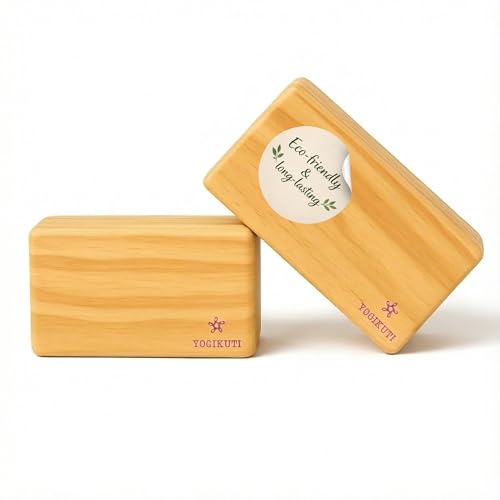
- Yoga blocks: Useful under the hands during forward folds to bring the floor closer. A View on Amazon is a common starting choice.
- A yoga strap: Lets you reach your feet during seated stretches without straining the back. A View on Amazon is a simple option.
- A folded blanket or bolster: Adds cushioning under the sit bones or support behind the back. Explore options in Yoga Bolsters.
FAQ
Is chair yoga safe for seniors over 60?
For most healthy adults, yes. Choose a stable chair, move slowly, avoid pain, and check with your doctor first if you have heart, balance or bone conditions.
How long should a chair yoga session last?
Ten to twenty minutes is a good target for beginners. You can build up gradually as comfort improves.
Can chair yoga help with balance?
Seated practice builds body awareness and postural control, which support balance. It does not replace standing balance training, so consider adding that separately if a physical therapist recommends it.
Do I need special equipment?
No. A sturdy armless chair is enough. Blocks, straps and a mat are optional aids.
What if I cannot sit up straight comfortably?
Use a cushion or folded towel behind your lower back, and sit closer to the back of the chair. Posture should feel supported, not held.
Should I hold poses longer as I get stronger?
Only if it feels comfortable. Adding a few breaths or a few repetitions is usually enough progress. There is no need to push for depth.
What if I feel dizzy during practice?
Stop immediately, sit still, breathe slowly, and rest until the feeling passes. If dizziness persists or comes with chest pain, shortness of breath or weakness, seek medical attention right away.
Conclusion
Chair yoga for seniors over 60 offers a practical, low-impact way to keep the spine mobile, the hips comfortable and the breath steady. Set up a stable space, begin with the 15-minute routine, and modify poses as your body requires. Consistency over several weeks will do more for you than any single deep stretch, and your doctor or physical therapist can help you tailor the practice to your health needs.

About Declan Maddox
Declan puts together our yoga guides, digging through specifications, manufacturer details and owner reviews so you don't have to.