By Declan Maddox
As an Amazon Associate we earn from qualifying purchases. This page may contain affiliate links.
If you want chair yoga videos online free, the sources that matter most are the ones that cost nothing to access, show clear seated modifications, and let you pick sessions by length and level. This list is for beginners, older adults, people recovering from injuries, and anyone practicing at a desk or in a small apartment. The key buying factor here is not the video itself but whether the source gives you clear, safe cues you can follow from a stable seat.
Quick picks
| Pick | Best for | Key feature |
|---|---|---|
| Video-sharing platforms (search and filter) | Variety and quick sessions | Duration filters and thousands of seated routines |
| Public library streaming access | Structured, teacher-led classes | Often free with a library card, depending on your system |
| Community and senior center recordings | Gentle, low-intensity practice | Classes designed for mixed ability groups |
| Free trials of paid yoga apps | Trying a full library before committing | Series organized by goal, such as mobility or back care |
| Hospital and university extension videos | Medically cautious seated movement | Conservative cues and clear contraindication notes |
| Independent teacher channels with seated series | Following one instructor over time | Consistent cueing style and multi-week progressions |
How we chose
This list is based on research into how each type of source is structured, what it specifies about itself, and what users commonly say about it. We did not test these sources or film any sessions ourselves, and nothing here is based on personal practice logs or lab results. Where we describe a source, we rely on how its publisher presents it and on patterns that appear repeatedly in public feedback.
We weighed four criteria:
- Cost and access terms. A source had to be available without payment for at least some content. Where access depends on a library card, a free trial, or a sign-up, we say so. Terms change, so check the current conditions before you rely on any of them.
- Clarity of seated instruction. We looked for sources that explain how to set up the chair, how to sit and stand safely, and how to modify poses when a movement feels wrong.
- Publisher reputation. Libraries, community centers, hospitals, and universities have institutional accountability. Independent teachers are included when they have a consistent, public track record of teaching seated work.
- Owner and user feedback patterns. Recurring themes in public comments, such as praise for slow pacing or complaints about poor audio, informed how we ranked the sources. We treat individual reviews with caution and look for patterns instead of single opinions.
Free videos are not products in the usual sense, so each pick below is paired with a companion item that owners often find useful for seated practice. Those links are optional. You can practice well with a sturdy chair and nothing else.
Video-sharing platforms: search and filter for seated routines
Large video-sharing platforms are the most common starting point for free chair yoga. Search terms like “seated yoga for beginners” or “chair yoga 15 minutes” return a wide range of sessions from teachers around the world. The advantage is volume. You can find a 10-minute routine for a stiff morning or a 40-minute class for a longer practice without paying anything.
The drawback is that quality varies a lot. Some videos are carefully paced and explain modifications. Others move quickly, skip setup, or assume a level of flexibility most beginners do not have. Use the duration and level filters, read the description for a list of props, and check whether the instructor mentions contraindications.
Video-sharing platforms (search and filter)
Who it’s for: People who want variety, enjoy choosing their own sessions, and are comfortable skipping videos that do not suit them.
Pros:
- Large selection of seated routines at many lengths, from short desk breaks to longer sessions.
- Duration and upload-date filters make it easy to find short or recent content.
- You can save favorites into playlists and build a sequence you return to.
Cons:
- Quality and cueing style vary widely, and many videos give little guidance on modifications.
- Advertisements and recommended videos can pull attention away from your practice.
A tablet or phone stand keeps the screen at eye level so you are not bending your neck to watch. You can look for one using adjustable tablet stand for exercise, which many owners describe as a simple way to keep the screen steady during seated work.
Public library streaming access
Who it’s for: Readers who prefer a structured program led by a single teacher and do not mind checking a library website before they start.
Pros:
- Many library systems offer digital fitness or wellness content at no extra cost with a library card.
- Programs are often organized into series, which helps beginners progress in a logical order.
- Content is usually curated, so you spend less time sorting through low-quality uploads.
Cons:
- Which services and titles are included depends entirely on your local library, so availability is not guaranteed.
- Some systems limit the number of simultaneous streams or the length of checkouts.
Many people practice with a yoga strap to reach the feet or ankles while seated without strain. A cotton yoga strap with loops is a common choice for this, and owners often mention that the loops make it easier to hold a seated stretch steady.
Community and senior center recordings
Who it’s for: Older adults, people returning to movement after a long break, and anyone who wants a slow, low-pressure pace.
Pros:
- Classes are often designed for mixed ability levels, with options for every movement.
- Instructors tend to explain safety points such as balance, breathing, and when to stop.
- Many centers post recordings or handouts, so you can follow along at home.
Cons:
- Not every center publishes recordings, and those that do may remove older sessions.
- Production quality can be basic, with sound or camera angles that make cues harder to follow.
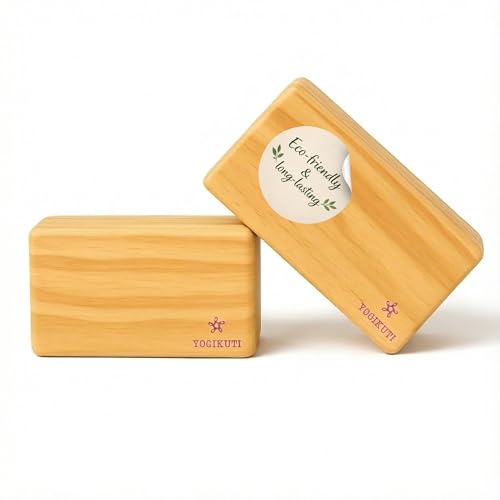
Some seated sessions use blocks to bring the floor closer or to support the hands. If your center’s sessions call for them, a set of foam yoga blocks is often recommended in owner reviews for being light and easy to grip.
Free trials of paid yoga apps
Who it’s for: Practitioners who want to test a large, organized library before deciding whether to pay for it.
Pros:
- Many apps offer free trial periods that unlock full libraries, including chair and seated series.
- Content is often sorted by goal, such as neck tension, hip mobility, or back care.
- Session length and difficulty filters are usually more precise than on open platforms.
Cons:
- Trials are time-limited, and you may need to enter payment details to start one. Read the terms before you sign up.
- Once a trial ends, most of the library becomes unavailable unless you subscribe, so this is not a permanent free option.
A trial is a good moment to check whether a bolster or cushion helps you sit comfortably. Owners often describe a rectangular yoga bolster as a way to support the spine during seated forward folds.
Hospital and university extension videos
Who it’s for: People managing health conditions who want conservative, clearly explained seated movement.
Pros:
- Publishers have institutional accountability, which usually means cautious, well-documented cues.
- Videos often include clear notes on when to stop or consult a clinician.
- Some programs are built around specific needs, such as arthritis-friendly movement or post-surgery mobility.
Cons:
- Selection is smaller and less frequently updated than on larger platforms.
- The tone is often clinical, which some practitioners find less inspiring.
If your program suggests supporting the back, a folded cotton yoga blanket is a common prop. Owners often report using it to add cushioning under the sit bones or behind the lower back.
Independent teacher channels with seated series
Who it’s for: Practitioners who want to learn from one teacher over several weeks and build a consistent routine.
Pros:
- Consistent cueing style makes it easier to learn the vocabulary and setup over time.
- Multi-week progressions let beginners build strength and flexibility gradually.
- Teachers often respond to comments, which can clarify questions about modifications.
Cons:
- Credentials and experience vary, and some teachers have no formal training in seated or adaptive yoga.
- Series may be uneven in length, and some channels stop posting without notice.
Seated practice still benefits from a grippy surface under the feet. A non-slip yoga mat can keep the feet from sliding when you stand or shift weight, which owners often describe as a basic safety improvement.
Buying guide: what matters when choosing free chair yoga videos
Because the sources above are free, the “buying” decision is about time and attention. These are the factors that most affect whether a video will help you or leave you frustrated.
1. Clear setup instructions
A good chair video tells you how to position the chair before the first movement. Look for guidance on placing the chair against a wall, setting it on a non-slip surface, and sitting toward the front of the seat with feet flat on the floor. If a video starts moving before explaining setup, skip it. Stability matters more than any pose.
2. Modifications, not just one version of each pose
Every seated pose should have a way to make it easier or harder. Look for instructors who say things like “if your shoulders lift, reduce the range” or “use a hand on your thigh for support.” Modifications are how you adjust a session to your body on a given day. Our guide to Yoga Pose Modifications explains how to think about this in more detail.
3. Session length and level
Beginners often do better with shorter sessions that they can repeat. A 10- to 20-minute routine is easier to fit into a day than a long class, and it gives you a clear sense of progress. If you are new to structured movement, the Twenty-Minute Yoga Routine and Ten-Minute Yoga Routine are useful reference points for pacing.
4. Audio and visual clarity
Because you are following cues from a screen, audio and camera angle matter more than production polish. Check whether the instructor’s voice is clear over background music and whether the camera shows the chair and the instructor’s full body. A side view is especially helpful for checking posture in seated twists and forward folds.
5. Props you already have
Most chair yoga requires only a sturdy chair. Armless chairs with a firm seat are generally preferred over rolling office chairs or stools. If a video calls for blocks, a strap, or a bolster, check whether you can substitute household items. A folded towel, a sturdy book, or a belt can often do the same job. Our overview of Yoga Props Buying Guide covers which items are worth buying and which are not essential.
6. Safety cues and stopping points
The best videos say when to stop. Look for phrases such as “come out of the pose if you feel sharp pain” or “pause if you feel dizzy.” Do not treat a video as a substitute for medical advice. If you have a condition affecting your heart, joints, balance, or pregnancy, consult a doctor or physical therapist before starting any new movement routine.
For a broader introduction to seated practice, the article on Chair Yoga explains the basic principles and common mistakes. It is a useful read before you choose a video.
FAQ
Are chair yoga videos online really free?
Many are. Open video platforms, many community centers, and some hospital and university programs publish seated sessions at no cost. Library streaming and app free trials can also be free, but they depend on your library system or on time-limited offers. Always check the terms before you sign up for anything, since access rules change.
Do I need any equipment for chair yoga at home?
You need a sturdy chair, ideally without arms or with arms that do not block your movement. Some routines suggest a strap, blocks, or a bolster, but most beginner videos can be followed with the chair alone. A non-slip surface under your feet helps with stability. Props are helpful but not required.
Is chair yoga safe if I have back pain or limited mobility?
Chair yoga can be a gentle option, but safety depends on your condition and on the video you choose. Look for sources that include modifications and stopping cues. If you have back pain, a recent injury, heart or balance concerns, or any medical condition, talk with a doctor or physical therapist before starting. Do not push into pain.
How often should I practice chair yoga?
Many beginners start with three to five sessions per week of 10 to 20 minutes and adjust based on how their body responds. Consistency usually matters more than length. If you notice increasing pain, numbness, or dizziness, stop and seek advice. For a sense of how to track your progress over time, see Tracking Your Yoga Practice.
Can I use chair yoga videos as a starting point for regular yoga?
Yes. Seated practice builds familiarity with alignment, breath, and basic terms, which makes floor classes easier to approach later. Once you feel comfortable, you can explore the broader range of styles and find which fits your goals. The article on Your First Yoga Class is a good next step when you are ready to practice with others.

About Declan Maddox
Declan puts together our yoga guides, digging through specifications, manufacturer details and owner reviews so you don't have to.