By Claire Whitaker
Updated November 2026
Buying wooden yoga blocks wholesale means working with a supplier who sells in quantity, usually at a lower per-unit cost than retail. This guide walks you through the steps to find a reliable source, check the blocks before you commit, and place an order your studio can actually use. It is written for studio owners, teachers and buyers who need a consistent set of blocks for classes.
Step 1: Decide on Wood Type, Size and Finish
Start by deciding what your students need. Most manufacturers offer blocks in a few standard dimensions, often close to 9 by 6 by 4 inches for the common rectangular style, and some also make a shorter 3-inch version for a lower height option. Beech and birch are widely used hardwoods because they resist chipping better than softwoods. Ask each supplier to specify the species, the finish and whether the edges are rounded or square.
Shopping for one? See our guide: Wooden Blocks for Yoga: 5 Best Picks Compared (2026).
Step 2: Confirm Quality and Material Standards
Good wooden blocks should have smooth, sanded edges, no splinters and a finish that is non-toxic and sealed. Ask suppliers for documentation on the finish and any certifications they hold. Request a sample before ordering in bulk, and check the weight, the grain and whether the block sits flat on a table without rocking. A block that wobbles will be frustrating during balance poses.
Step 3: Compare Suppliers and Order Terms
Wholesale suppliers differ in how they handle minimum orders, lead times and shipping. Compare the following when you request quotes:
- Minimum order quantity and whether mixed sizes count toward it
- Lead time from order to shipment, including any production delay
- Return or replacement policy for chipped or warped pieces
- Whether the supplier offers custom branding, such as laser engraving
- Packaging, so blocks arrive undamaged in a shipping carton
For a broader look at sourcing across studio props, see Yoga Blocks and Straps Wholesale: How to Source Them for Studios (2026).
Step 4: Plan Quantity and Mix
A practical starting point for a small studio is roughly one or two blocks per student for each class, plus a few spares for breakage. Many studios buy a mix of heights so beginners and advanced students can both find the right support. The table below shows a simple planning approach.
| Class size | Suggested blocks | Mix |
|---|---|---|
| Up to 10 students | 20 to 24 | Mostly standard height, some low |
| 11 to 20 students | 40 to 48 | Balanced standard and low |
| Over 20 students | Scale to class count | Add spares for busy weeks |
Step 5: Check Shipping, Storage and Inventory
Blocks are dense and heavy in bulk, so confirm how many cartons your order will arrive in and whether the supplier ships to a commercial address. Set up dry, flat storage so the blocks do not warp or absorb moisture. Count stock when it arrives, note any damaged pieces right away and record the date so warranty claims stay simple.
Common Mistakes to Avoid
- Ordering from photos alone without testing a sample
- Buying only one height when your classes serve mixed levels
- Skipping the supplier’s return policy for damaged shipments
- Forgetting to plan for spares and replacement over time
- Storing blocks in humid spaces where wood can swell
Recommended Gear
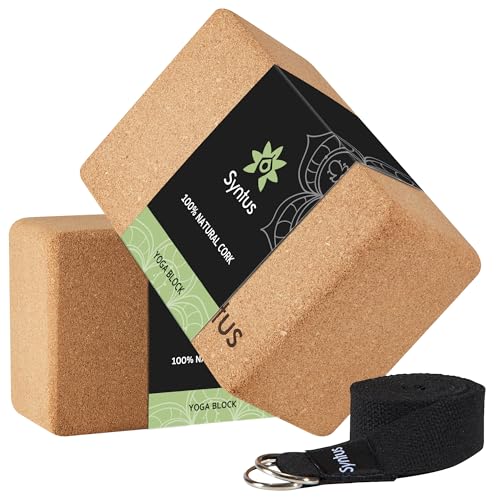
- Cork yoga blocks offer a lighter, grippier alternative if your studio wants variety. View on Amazon
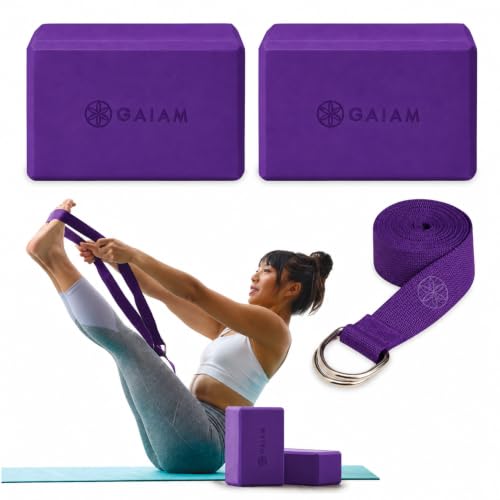
- Yoga blocks and straps sets let you bundle props for students who are just starting out. View on Amazon
FAQ
What are wooden yoga blocks made of?
Most are made from hardwoods such as beech or birch, sanded smooth and finished with a sealant. Ask suppliers to confirm the species and finish before ordering.
How many blocks does a studio need?
A common starting point is one or two blocks per student per class, plus spares. Adjust the number to your class sizes and how often props are used.
Should I order a sample first?
Yes. Testing one or two blocks lets you check weight, edge finish and stability before committing to a large order.
Conclusion
Sourcing wooden yoga blocks wholesale is mostly about checking materials, comparing order terms and planning quantity around your classes. Request samples, confirm return policies and set up dry storage before the shipment arrives. A careful first order makes restocking far easier later on.
Related reading
- 6 Best Wholesale Cork Yoga Blocks for Studios and Bulk Buyers
- Yoga Postures with Blocks: 6 Step-by-Step Poses for Better Alignment
- Yoga Poses with Blocks: 6 Steps to Better Alignment and Support
- Yoga Mat and Blocks Set: How to Choose and Use One for Home Practice
Ready to choose one?
About Claire Whitaker
Claire Whitaker is part of our editorial team and reviews and edits our yoga guides, checking product details against manufacturer specifications and owner feedback.