By Claire Whitaker
Updated November 2026
Buying yoga blocks and straps wholesale comes down to three things: confirming the material and dimensions match how students will use them, comparing supplier terms on minimums and shipping, and ordering a sample before committing to a bulk run. This guide walks through each step so you can source props that hold up to daily studio use.
Step 1: Decide What Your Studio or Shop Needs
Start with your students, not the catalog. A studio that runs heated vinyasa sees sweat and heavy daily handling, so cork or dense foam blocks with a sealed surface tend to last longer than lightweight options. A shop selling to home practitioners may want a range of colors and a mix of block sizes. Count how many props each class uses, then add a buffer for breakage and replacement.
Shopping for one? See our guide: 5 Best Yoga Strap and Blocks Sets for Home Practice (2026).
Step 2: Check Materials and Dimensions Before You Order
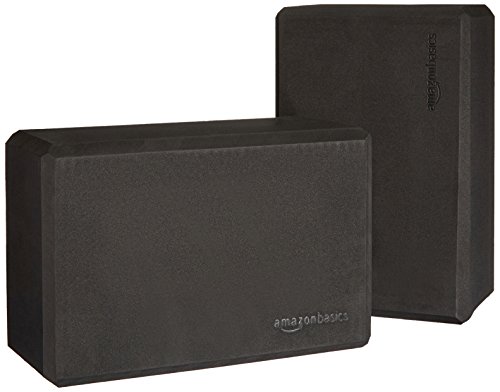
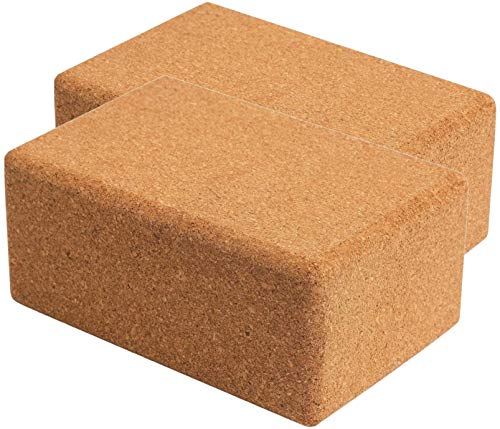
Most yoga blocks are cork, foam, or recycled EVA foam, and each behaves differently under load. Cork is dense and firm, which suits balance and standing poses. Foam is lighter and softer, which many beginners find more comfortable. Ask suppliers for the exact dimensions and weight rating, and confirm that the strap buckle material is metal or a reinforced polymer rather than a thin plastic that can slip or snap.
Step 3: Compare Supplier Terms, Not Just Unit Pricing
When you evaluate wholesale offers, look past the headline per-unit figure. Check the minimum order quantity, lead time, shipping method, return policy for defective goods, and whether the supplier provides product liability documentation or safety test reports. A supplier that is clear about these terms is usually easier to work with over a long relationship.
- Minimum order quantity and whether mixed assortments are allowed
- Lead time from order to shipment, and any peak-season delays
- Defect and damage policy, including who pays return freight
- Material certifications and any written product safety information
- Whether they offer custom branding or private labeling, if you need it
Step 4: Order a Sample Set and Test It
Before placing a bulk order, request a sample of each block and strap you plan to stock. Check the surface for rough edges, press a block with your full body weight to see whether it compresses or cracks, and pull a strap under tension to watch the buckle and stitching. Make a short inspection log so your team can compare samples side by side. Ask a qualified instructor or physical therapist to review props for therapeutic classes, since they can spot problems you might miss.
Common Mistakes
- Choosing by price alone and ending up with props that crack or fray within months.
- Ignoring shipping weight, which can change the true landed cost of a bulk order.
- Skipping samples and discovering a poor fit only after the full shipment arrives.
- Stocking only one block size when your classes include beginners who need taller support.
- Not confirming return terms for damaged goods in writing before ordering.
Recommended Gear
For studios and shops that want a dependable starting point, consider a cork block from a well-established yoga props brand, since cork is a common choice for daily studio use. A sturdy strap with a metal buckle is also worth stocking, because it handles repeated tension better than thin nylon. Finally, a foam block gives beginners a softer option alongside firmer cork.
Browse cork yoga blocks on View on Amazon
Find sturdy yoga straps with metal buckles on View on Amazon
Compare foam yoga blocks for beginners on View on Amazon
FAQ
What should I check first when buying yoga blocks wholesale?
Confirm the material, exact dimensions, and weight rating, since these determine how the block performs in standing and supported poses. Request a sample before ordering in bulk.
Are cork or foam blocks better for a studio?
Cork is firmer and tends to suit daily studio handling and balance work, while foam is lighter and softer for beginners. Many studios stock both.
Should I consult anyone before buying therapeutic props?
Yes. If you plan to offer props for injury recovery or rehabilitation classes, consult a physical therapist or qualified instructor to confirm the equipment suits those students.
Conclusion
Successful wholesale buying starts with knowing what your students need, then checking materials, dimensions, and supplier terms carefully. A sample test before a bulk order protects your budget and your reputation. For more on choosing and using props, see 6 Best Wholesale Cork Yoga Blocks for Studios and Bulk Buyers and Yoga Straps Explained.
Related reading
- 6 Best Gaiam Yoga Blocks and Strap Sets for Home Practice (2026)
- 5 Best Yoga Blocks and Strap Sets for Home Practice (2026)
- Yoga Postures with Blocks: 6 Step-by-Step Poses for Better Alignment
Ready to choose one?
About Claire Whitaker
Claire Whitaker is part of our editorial team and reviews and edits our yoga guides, checking product details against manufacturer specifications and owner feedback.