By Claire Whitaker
Updated November 2026
Yoga blocks let you bring the floor closer to your body, so you can stretch with proper alignment instead of forcing your range of motion. Used correctly, how to use yoga blocks for stretching comes down to three things: choosing the right height, placing the block where your hand or foot naturally lands, and letting gravity and your breath do the work. This guide walks through the setup for common stretches and the mistakes that undermine them.
Choose the Right Height and Position
Most blocks have at least two usable heights. The lower height is the most common starting point because it gives a firm, stable surface. Use the higher setting or a second block when your reach falls short, but avoid stacking blocks so high that your posture collapses. Support should feel like relief, not a test of balance.
Shopping for one? See our guide: How Many Yoga Blocks Do I Need? 5 Best Sets Compared (2026).
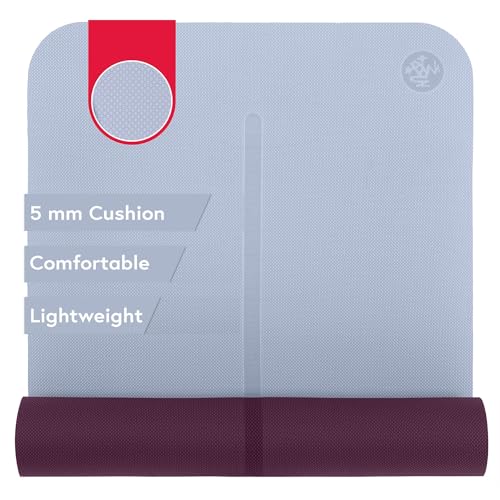
Set the block on a level, non-slip surface. If your mat tends to slide, see our guide to a Non Skid Yoga Mat: How to Choose and Use One for a Secure Grip (2026).
Stretch Step by Step
The method is the same for most floor stretches: place the block, settle into the position, then let the block hold part of your weight so the muscle can relax into the stretch.
- Seated forward fold (hamstrings): Sit with legs extended. Place a block under each hand or on the thighs if your back rounds. Hinge from the hips and rest your hands on the block, keeping the spine long.
- Half-kneeling hip flexor stretch: Kneel on one knee with the other foot forward. Rest the forearm on a block at hip height, then gently shift the hips forward until you feel a stretch at the front of the back leg.
- Doorway or wall-supported chest stretch: Place a block at a low height against the wall. Set your forearm on it with the elbow at shoulder height, then turn the chest slightly away to open the front of the shoulder.
- Supine hamstring stretch with strap-free support: Lie on your back with a block placed under the thigh of the extended leg. Keep the opposite hip grounded and let the leg rest on the block.
Hold each position for 30 to 60 seconds and breathe slowly. Repeat once or twice per side, and check how each side feels before deciding on any change. A related read: Diet and Fitness Plan Based on My DNA: How to Use Genetic Data (2026).
Quick Reference Table
| Stretch | Block placement | Typical hold |
|---|---|---|
| Seated forward fold | Under hands or thighs | 30–60 seconds |
| Half-kneeling hip flexor | Under forearm at hip height | 30–60 seconds per side |
| Wall chest opener | Low, against the wall | 30 seconds per side |
| Supine hamstring | Under the thigh | 45–60 seconds per side |
Common Mistakes to Avoid
- Using a block that is too high, which pulls you out of alignment rather than supporting you.
- Pushing into pain. A gentle, steady stretch is the goal; sharp pain means back off.
- Holding your breath. Slow exhales help the muscle release.
- Letting the block slide. Choose a stable surface and check placement before each hold.
- Stretching cold muscles aggressively. Warm up with a few minutes of easy movement first.
Recommended Gear
A sturdy, non-slip block that stays in place under your hand makes the setups above much easier to hold. Look for a dense foam or cork design, since these resist compressing under your weight.
- Gaiam Essentials Yoga Block: A widely available foam block that suits most floor stretches. View on Amazon
- Manduka Cork Yoga Block: A firm cork option that many practitioners prefer for its stability. View on Amazon
FAQ
How high should a yoga block be for stretching?
Start at the lowest height and only raise it when your reach or stability requires it. The right height lets you relax into the stretch without rounding your back or straining.
Can yoga blocks help with tight hamstrings?
Yes. Placing a block under your hands or thigh lets you hold a seated or supine hamstring stretch with better alignment and less strain on the lower back.
How long should I hold a block-supported stretch?
Most stretches work well at 30 to 60 seconds per side. If you have an injury or a medical condition, consult a physical therapist or doctor before starting a new routine.
Conclusion
Learning how to use yoga blocks for stretching is mostly about setup: pick a stable height, place the block where your body naturally rests, and breathe into the position. Start with two or three of the stretches above and build from there. For more ideas, explore our guide to Yoga Postures with Blocks: 6 Step-by-Step Poses for Better Alignment.
Related reading
- Yoga Mat and Blocks Set: How to Choose and Use One for Home Practice
- Yoga Blocks and Bolster Set: How to Choose and Use Both (Step-by-Step)
- Gaiam Yoga Blocks Set of 2: How to Choose, Use and Care for a Pair
Ready to choose one?
About Claire Whitaker
Claire Whitaker is part of our editorial team and reviews and edits our yoga guides, checking product details against manufacturer specifications and owner feedback.