By Claire Whitaker
Updated November 2026
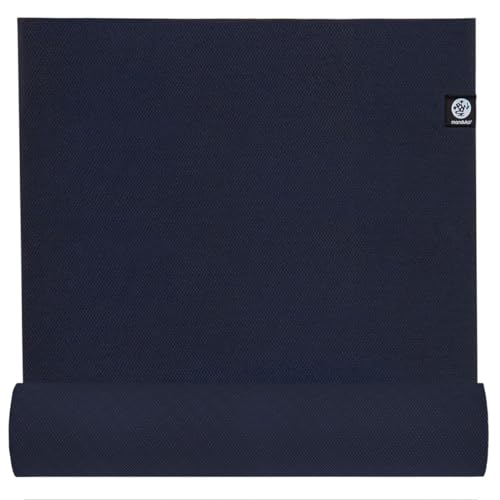
Manduka | eKO Superlite Travel Yoga Mat | Midnight | 71 x 24 in, 1.5mm | Foldable & Travel Friendly, Ultra-Thin, Textured Grip, Reliable Grip, Natural Rubber, Hygienic
The manduka eko superlite travel yoga mat is a thin, foldable mat built for people who carry their practice with them. It measures 71 by 24 inches and sits at 1.5mm thick, which makes it one of the lighter, more packable options in Manduka’s lineup. It is best suited to experienced practitioners who already know their alignment, travel often, and want a mat that rolls into a small bag. It is a poor fit for beginners who need extra cushioning on hard floors or for anyone who wants a thick, plush surface for joint-heavy poses. If your main concern is stability on a hardwood or tile floor, the thinness that makes this mat appealing can also feel unforgiving, so think about how and where you practice before you buy.
Product Overview
The eKO Superlite is part of Manduka’s eKO line, which the brand positions as a more sustainable alternative to its standard PVC mats. The construction uses natural rubber rather than polyvinyl chloride, and the listing describes the mat as hygienic and easy to keep clean. The Superlite version is the thinnest and lightest of the eKO family, aimed squarely at travel. The Midnight colorway is the one covered in this review.
Manduka sells the eKO Superlite as a travel-first mat. The listing emphasizes that it is foldable, ultra-thin and friendly to packing, with a textured surface intended to hold your hands and feet in place. Rather than trying to be a do-everything mat, it is designed to be the mat you bring on a trip, to a park, or to a class where you do not want to lug a heavy roll. That focus shapes almost every trade-off discussed below.
Because this is a research-based review, the details here come from the manufacturer’s listing and the general patterns that owners commonly describe. Individual experiences vary with floor surface, body weight, and practice style, so treat the observations as a starting point rather than a guarantee.
Key Features & Specifications
The table below lists the specifications the product name and listing make clear. Where a detail is not stated, it is left out rather than estimated.
| Feature | Specification |
|---|---|
| Brand | Manduka |
| Product line | eKO Superlite Travel Yoga Mat |
| Colorway | Midnight |
| Dimensions | 71 x 24 in |
| Thickness | 1.5 mm |
| Material | Natural rubber |
| Surface | Textured grip |
| Foldable | Yes |
| Travel friendly | Yes |
| Hygienic | Stated in listing |
The 71-inch length suits most adults, though taller practitioners may find that savasana or long forward folds run close to the edge. The 24-inch width is standard for most yoga mats and gives enough room for a wide stance in standing poses, but it is not generous for lateral movements. The 1.5mm thickness is the defining number. It is roughly a third of the thickness of many standard home mats, which is why the mat folds and packs so easily and also why it gives less cushioning.
Pros & Cons
Pros
- Very thin and foldable, which makes it easy to pack in a carry-on, backpack or gym bag.
- Natural rubber construction, which the eKO line presents as a more environmentally conscious option than PVC.
- Textured surface is intended to give dependable grip for hands and feet, including in sweaty conditions.
- Light enough to carry without a strap in most situations.
- Standard length and width fit most adults without much adjustment.
- Listing describes the surface as hygienic and easy to wipe clean.
Cons
- At 1.5mm, cushioning is minimal, which can be uncomfortable for knees, wrists and the spine in kneeling and floor-based poses.
- Thinness means you feel the floor beneath you, which may be unsettling for balance-heavy standing poses on hard surfaces.
- Not an ideal choice for people who want a plush, supportive home mat.
- Foldable mats can develop creases over time, and owners often report that folded sections take a while to lie flat.
- The width and length are standard, so taller or broader practitioners may want a larger size.
Performance Analysis
Performance for a mat like this comes down to three things: grip, cushioning, and stability. On grip, the textured natural rubber surface is the main selling point. Owners of natural rubber mats commonly report that they hold position well on dry floors and improve as the surface warms slightly under the hands and feet, though many also note that very sweaty practices can reduce traction until the mat is wiped down. The thin profile tends to keep the mat from sliding under a practitioner’s weight in the way a heavier, softer mat sometimes can, because there is less material to shift.
Cushioning is where expectations need to be set carefully. At 1.5mm, this is effectively a sheet between you and the floor. For standing flows, balance poses and transitions, that can feel stable and direct, which many experienced practitioners prefer. For kneeling poses such as cat-cow on a hard floor, child’s pose, tabletop, or any pose that loads the wrists and knees, the lack of padding is noticeable. Owners who use thin mats often pair them with a folded towel or a separate pad for those moments, which is a reasonable workaround when travel is the priority.
Stability on different floors is the third variable. On carpet, a very thin mat can bunch or slide, so it generally performs better on hardwood, tile, concrete, and outdoor surfaces where it can be anchored with grip. On a hard floor, the mat’s texture and thinness combine to give a connected feel, but the trade-off is that any unevenness in the floor is felt more directly. Practitioners doing outdoor practice should be aware that thin mats can be affected by grass or uneven ground, and may want to check their footing carefully.
Durability is another consideration. Natural rubber mats are generally regarded as durable with proper care, but owners of thin, foldable mats often report that the fold line is the first area to show wear. Rolling the mat loosely when storing it, rather than tightly creasing it, is commonly recommended to extend its life. Cleaning with a mild soap and water, then air drying fully, is the standard approach for maintaining natural rubber surfaces. Avoid harsh solvents, which can degrade the material over time.
Who Should Buy This Product?
This mat is a strong fit for experienced practitioners who travel frequently and want a mat that disappears into a bag. If you already have solid knee and wrist tolerance on hard floors, you practice mostly standing or balance-focused sequences, and you value a direct connection to the ground, the thinness will likely feel like an advantage rather than a compromise. It is also a sensible second mat for someone who keeps a thicker home mat and wants a dedicated travel option.
It is a weaker choice for beginners who are still building strength and alignment awareness, since the lack of cushioning can make kneeling poses uncomfortable and may discourage consistent practice. People with wrist, knee or spinal sensitivities should also think carefully, as the minimal padding offers little protection. Anyone who wants a plush, supportive surface for restorative or yin sessions will be happier with a thicker mat. If you are unsure whether a thin mat suits your joints, a brief conversation with a physical therapist or your doctor is a sensible step before committing.
For a broader sense of how thickness affects these choices, the site’s guide to Yoga Mat Thickness Guide walks through the trade-offs in more detail. Readers who mainly practice away from home may also find Yoga Mat and Case: How to Choose and Use One for Safe Travel (2026) useful for planning how to carry and protect a mat on the move.
Buying Guide
Before you decide on this mat, work through a few practical questions. First, consider where you will practice most often. If the majority of your sessions happen on carpet, a thin mat may slide or bunch, and a grippier, slightly thicker option is likely the better match. If your floors are hard or you practice outdoors on a deck or patio, the thin profile is easier to live with. The guide to Yoga Mat for Carpet: How to Choose and Use One on Carpeted Floors (2026) covers this in more depth.
Second, be honest about your joints. A useful rule of thumb is that if you already use a folded blanket or towel under your knees most of the time, you will likely want more cushioning in a daily mat. A thin travel mat then becomes a second tool rather than your only one. Third, think about your primary style. Vigorous flow and balance work tend to suit thin mats, while slower, floor-based or restorative practice usually benefits from more padding. The article on Yoga Mat for Restorative Yoga: 6 Factors and Steps to Choose and Use One explains which features matter most for that style.
If you decide the Superlite is not quite right, two alternatives from the same brand are worth comparing. The first is the thicker travel option below, which keeps the foldable design but adds more substance underfoot:

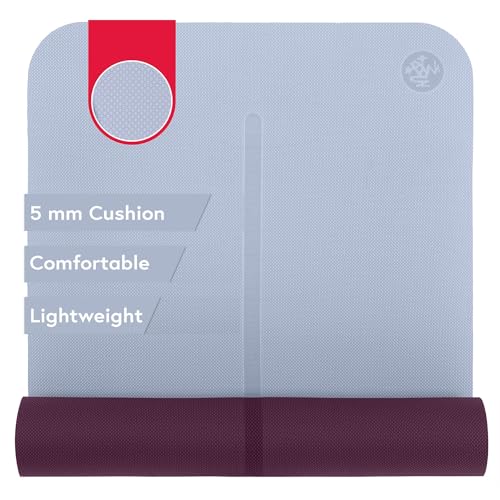
Manduka | PRO Travel Yoga Mat | Black | 71 x 24 in, 2mm | Thin, Foldable & Travel Friendly, Floor-Like Stability, High-Density & Built to Last a Lifetime, Easy to Clean
Manduka PRO Travel Yoga Mat. Its 2mm thickness is only slightly more than the Superlite, but the listing describes floor-like stability and a dense build intended to last. It is a sensible step up for practitioners who want a touch more cushioning while keeping the mat packable. View on Amazon
The second alternative is a noticeably thicker mat from the same eKO family, suited to practitioners who want more padding for home use and can accept a heavier, less packable option:

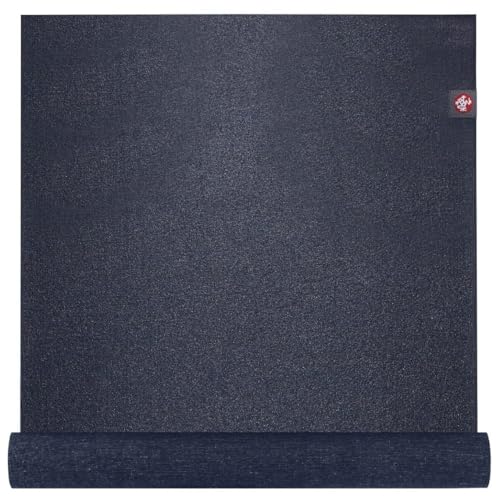
Manduka | eKO Lite Yoga Mat | Deep Sea | 71 x 24 in, 4mm | Textured Grip, Natural & Reliable Traction, Responsive Cushion, Natural Rubber, Hygienic, Easy to Clean
Manduka eKO Lite Yoga Mat in Deep Sea. At 4mm, it offers far more cushioning than the Superlite and keeps the natural rubber, textured grip and eKO sustainability story. It is a better match for daily home practice and joint-sensitive sessions, though it is noticeably less convenient to carry. View on Amazon
For readers looking at the broader Manduka range, the site’s roundup of Manduka GRP Yoga Mat: 5 Best Picks Compared (2026) puts several models side by side. A mat’s thickness, weight and surface all interact with how and where you practice, so it is worth matching the specification to your routine rather than choosing on brand alone.
FAQ
Is the Manduka eKO Superlite good for beginners?
It can work for beginners who are comfortable on hard floors and who mainly want something light to carry, but it is less forgiving than a thicker mat. Beginners who kneel frequently or have joint sensitivity usually benefit more from added cushioning, either from a thicker mat or a folded towel.
How thick is the manduka eko superlite travel yoga mat?
The listing specifies 1.5mm in thickness and a size of 71 by 24 inches. That thinness is what makes the mat foldable and easy to pack, and it is also the main reason it offers less cushioning than standard home mats.
Is the mat made from natural rubber?
Yes, the listing describes natural rubber construction as part of the eKO line. Natural rubber is generally seen as a more eco-conscious material than PVC, and the mat is presented as hygienic and easy to clean.
Does the mat slip on carpet or outdoor surfaces?
Thin mats can slide or bunch on carpet, so the Superlite generally performs best on hard floors. On grass or uneven ground, footing may feel less secure, and it is worth testing your stance carefully before moving into balance poses.
How should I clean and store a thin travel mat?
Wipe the surface with a mild soap and water solution, rinse lightly if needed, and air dry it completely before rolling or folding. Store it loosely rather than tightly creased, since owners often report that fold lines are where wear first appears.
Can I use this mat for hot yoga?
Some practitioners use thin natural rubber mats in heated classes, but sweat can reduce grip on any mat. If heated practice is your main use, a towel-style or specifically designed hot yoga mat is usually a more suitable choice.
Is the Superlite a good second mat?
Yes, many practitioners keep a thin travel mat alongside a thicker home mat. This approach lets you choose the right amount of cushioning for each setting and keeps the travel option light and easy to pack.
Final Verdict
The Manduka eKO Superlite is a well-built, purpose-driven travel mat. Its thin, foldable design, natural rubber surface and textured grip make it a practical option for experienced practitioners who prioritize portability and a direct connection to the floor. It is not the right choice if you need cushioning for kneeling poses, if you practice mainly on carpet, or if you are still building the strength and alignment awareness that thinner mats demand. For those who fit the first profile, it is a dependable companion for trips, outdoor sessions and busy schedules. For everyone else, a thicker mat or a dedicated travel mat with more padding will likely serve better.
View on AmazonAbout Claire Whitaker
Claire Whitaker is part of our editorial team and reviews and edits our yoga guides, checking product details against manufacturer specifications and owner feedback.