By Claire Whitaker
Updated November 2026
The Manduka Pro yoga mat 6mm is a dense, long-lasting mat aimed at people who practice several times a week and want serious cushioning, dependable grip and a mat that lasts for years. It suits regular practitioners, people with wrists or knees that need extra padding, and anyone who likes a firm, stable surface for standing poses and floor work. It is less suited to beginners who want a light, inexpensive mat to roll up and carry on crowded transit, people who sweat heavily and need a towel-style surface, or anyone who prefers a thin mat for balance-heavy flows. The sections below cover the specifications, the trade-offs and how to decide whether this model fits your practice.

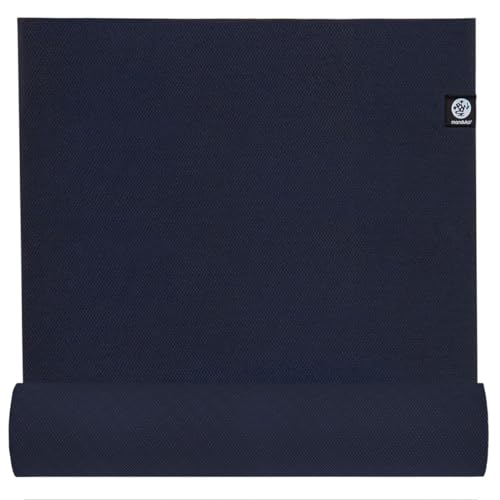
Manduka PRO Yoga Mat – Premium 6mm Thick Travel Mat, High Performance Grip, Ultra Cushioning for Support and Stability in Yoga, Pilates, Gym and Any General Fitness, Midnight 71" x 26"
Product Overview
The Manduka PRO is one of the best-known mats in the Manduka line and is widely used in studios and home practice. The 6mm version sits at the thicker end of standard yoga mats, which places it between the thinner travel mats and the very thick restorative or therapy mats. Manduka markets this model as a high-performance mat for yoga, Pilates, gym work and general fitness, and the product name signals its intended use: a durable mat that stays put during demanding practice.
The listing you are reviewing is the Midnight colorway, measuring 71 inches long by 26 inches wide. That length accommodates most adult practitioners for standing poses, savasana and most floor work, though taller users may want to check whether they need extra length when they lie fully extended. The mat is positioned as a travel-friendly option within the 6mm category, which means it is still substantial but not as heavy as some of the thickest studio mats.
Manduka sells the PRO under a long-standing brand reputation for density and build quality. Owners often report that the mat feels more like a firm floor than a soft pad, which is the main reason many practitioners choose it for balance and alignment work. The sections that follow break down what the specifications actually mean in day-to-day use.
Key Features & Specifications
The table below lists the specifications that are confirmed by the product name and the widely published details for this model. Where a detail is not clearly established, it is left out rather than guessed.
| Feature | What It Means in Practice |
|---|---|
| Thickness: 6mm | Provides substantial cushioning for knees, wrists and hips while keeping the mat stable on hard floors |
| Dimensions: 71 x 26 inches | Standard length and width that fit most adults for standing, balance and floor poses |
| Colorway: Midnight | A dark finish that can show dust and lint more readily than lighter colors |
| Grip: High-performance surface | Designed to hold the feet and hands in place during standing and transitional poses |
| Cushioning: Ultra cushioning | Adds padding under the spine, knees and wrists during kneeling and floor work |
| Intended use: Yoga, Pilates, gym and general fitness | Versatile enough to double for floor exercises beyond yoga |
| Travel-friendly positioning | Manufacturer positions it as portable, though at 6mm it is heavier than thin travel mats |
Manufacturers typically specify that thicker mats trade portability for cushioning. A 6mm mat is noticeably heavier and bulkier than a 3mm or 4mm mat, so it is worth considering how far you will carry it. The dimensions also matter for fit: if you are taller than average, measure yourself lying down before you commit, because a 71-inch length leaves little margin for a long savasana or a full-length reclined pose.
Pros & Cons
Pros
- The 6mm thickness gives noticeable padding for knees, wrists, hips and the spine during kneeling and floor sequences.
- The dense, firm surface feels stable underfoot, which suits standing balance poses and alignment-focused classes.
- The high-performance grip surface is designed to keep hands and feet from sliding during standing flows.
- Owners often report that the mat holds its shape and surface well over long-term use, which supports its reputation for durability.
- The versatile intended use covers yoga, Pilates and general gym floor work, so one mat can serve several routines.
- The standard 71 x 26 inch size fits most adults comfortably for a wide range of poses.
Cons
- At 6mm, the mat is heavier and bulkier than thinner options, which makes it less convenient for carrying to classes on foot or by public transit.
- The dark Midnight finish can show lint, dust and sweat residue more visibly than lighter colors.
- The firm, dense feel may feel too unyielding for people who prefer a plush, sinking surface.
- Taller practitioners may find the 71-inch length restrictive for full-length reclined poses.
- The price sits in the premium range, which may be hard to justify for occasional practitioners.
Performance Analysis
Performance for a yoga mat comes down to three things: how well it cushions, how well it grips, and how stable it stays under the body. Based on the specifications and on the patterns that owners commonly describe, the Manduka PRO performs strongly in all three areas, with a few trade-offs worth understanding.
Cushioning is the most obvious strength. A 6mm profile gives enough padding for kneeling poses such as child’s pose, tabletop and low lunge, and it helps reduce pressure on the knees and wrists during longer holds. Practitioners who find thinner mats uncomfortable on hard floors often notice the difference right away. The trade-off is that very dense mats can feel firmer than expected, so the padding is supportive rather than soft.
Grip is the second major consideration. The high-performance surface is designed to hold the hands and feet during standing poses, transitions and sweaty flows. Owners often report that the grip holds well in dry conditions and during moderate sweating. Very heavy sweating or hot-room practice can reduce grip on any mat, so anyone practicing in heated classes should consider whether a towel layered on top is needed.
Stability is where the density of the mat shows. Because the surface does not compress much under the body, standing balance poses such as tree and warrior III feel more grounded. This is a common reason alignment-focused teachers and students prefer denser mats. The firmness also means the mat does not bunch or slide as easily on a hard floor, though it can still shift on very slick surfaces, so using it on a non-slip base is a sensible precaution.
Durability is the final factor. Manduka’s reputation rests largely on the mat maintaining its surface and thickness over time, and owners often describe long service lives with regular cleaning. Surface wear depends heavily on how often the mat is used, how it is cleaned and where it is stored, so expectations should be realistic rather than assumed.
Safety note: if you have a joint condition, a back injury or any other health concern, consult a physical therapist or healthcare professional before changing your practice or relying on a particular mat for support.
Who Should Buy This Product?
This mat suits people who practice regularly, often three or more times a week, and who want a stable, cushioned surface that will last. It is a strong choice for practitioners who do a lot of kneeling, wrist-loading or floor work and who notice discomfort on thinner mats. Alignment-focused students and those who teach or attend studio-style classes often appreciate its firm, grounded feel.
It is also a reasonable choice for people who want one mat for yoga and Pilates or light gym floor work, since the stated intended use covers all three. Home practitioners who keep the mat rolled out in one spot, rather than carrying it far, will find the weight and thickness less of an issue.
You should probably skip this mat if you carry your mat on foot or by bus, practice in several locations, or need a very light, compact option for travel. It is also less suitable for people who want a soft, plush surface, or for those who practice in very hot rooms and sweat heavily without a towel. Occasional practitioners who attend a class once or twice a month may find a less expensive mat meets their needs just as well. For a lighter alternative, see the article Yoga Mat Thickness Guide to compare thickness options.
Buying Guide
Before buying any 6mm mat, work through a few practical checks. Start with portability: if you will carry the mat more than a short distance, weigh the convenience against the extra cushioning. Next, consider where you practice. A 6mm mat works well on hard wood, tile and concrete, where the padding matters most, and it can feel cushioned enough on lightly carpeted floors. For carpet-specific guidance, read Yoga Mat for Carpet: How to Choose and Use One on Carpeted Floors (2026).
Then consider your body. People with sensitive knees or wrists generally benefit from more padding, while those who like a close connection to the floor may prefer 3mm to 4mm. Measure your height and check whether 71 inches gives you enough room for savasana. If you practice in heated rooms, plan for a towel or a hot-yoga-specific surface.
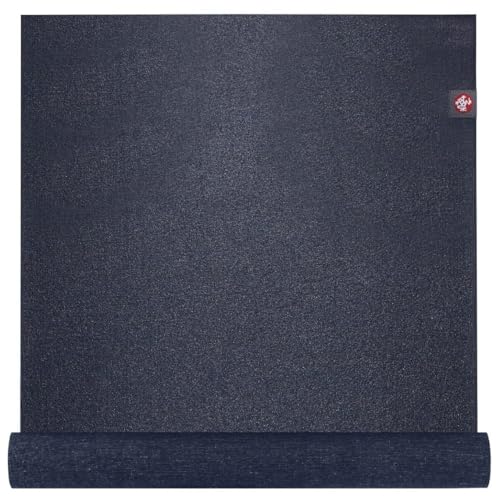
Several well-known alternatives are worth comparing. The first is the Manduka Unisex Adult YOGA AND PILATES Mat in Black Sage at 6mm, which is a close relative designed for home practice with a focus on stability and studio-quality feel.

Manduka Unisex Adult YOGA AND PILATES Mat – Black Sage, 6 mm | Premium, High-Density, Floor-Like Stability, Lifetime Durability, Hygienic Construction, Studio Quality for Home Practice
The second is the Manduka PRO Long Yoga Mat at 85 inches, which is the better choice for taller practitioners who find the standard length restrictive.

Manduka PRO Long Yoga Mat 85" – 6mm | Lifetime Durability | Hygenic Construction | Premium Studio Quality | Teacher Approved | Extra Long | 85 x 26 inches | Black
For a broader comparison of picks in this category, the article Manduka The Pro Yoga Mat: 3 Best Picks for Home Practice (2026) looks at how these options differ. If you are weighing a travel-oriented option instead, Yoga Mat Travel Foldable: 6 Factors and Steps to Pick the Right One explains the trade-offs.
FAQ
Is a 6mm yoga mat too thick for standing balance poses?
Not usually. A dense 6mm mat tends to feel more stable than a very thin, spongy one, because the surface does not compress much under the feet. Some practitioners who are used to thin mats find the first few balance sessions take adjustment, so give yourself a week or two before judging.
Does the Manduka PRO 6mm work for Pilates as well as yoga?
The listing states that it is intended for yoga, Pilates, gym work and general fitness. Its cushioning helps with mat-based Pilates exercises that load the spine and shoulders, though some Pilates instructors prefer a slightly thinner or firmer surface for certain exercises.
Is the mat too heavy to carry to class?
At 6mm, it is heavier than thinner mats. If you walk or take transit, you may find a strap or carry bag helpful. For more options, see Yoga Mat Strap for Carrying: 7 Best Picks for Every Need (2026).
Will the grip hold during hot yoga?
The high-performance grip is designed for active practice, but heavy sweating can reduce grip on any mat. Many hot-room practitioners layer a towel on top. For towel-compatible options, see Manduka Yoga Towel Mat: 5 Factors to Choose One for Hot Yoga (2026).
How should I clean a Manduka PRO mat?
Manufacturers generally recommend a gentle, mat-safe cleaner and a soft cloth, followed by air drying away from direct heat. Avoid harsh solvents, and check the manufacturer’s care instructions for the specific model before cleaning.
Is the 71-inch length enough for tall people?
For many adults, yes, but taller practitioners may find that full-length reclined poses and savasana feel cramped. If that applies to you, the 85-inch long version is the better fit.
Is this mat a good choice for beginners?
It can be, especially for beginners who have knee or wrist sensitivity and want extra cushioning. Beginners who plan to practice occasionally and carry the mat often may prefer a lighter option. For guidance, see Yoga Mats for Beginners.
Does the dark color show dirt?
Dark mats can show lint, dust and sweat marks more readily than lighter colors. Regular wiping after practice keeps the surface looking clean.
Final Verdict
The Manduka PRO yoga mat 6mm is a strong, well-regarded choice for practitioners who want generous cushioning, a stable and firm surface, and a mat built to last through regular use. Its strengths are clear: the 6mm thickness protects knees and wrists, the grip holds well for standing work, and the dense feel supports balance and alignment. Its weaknesses are equally clear: the weight and bulk make it less convenient to carry, and the dark finish and firm feel will not suit everyone. If you practice several times a week at home or in a studio, and you value stability and cushioning above portability, it is a sound investment. If you travel with your mat often or prefer a plush surface, a thinner or lighter option will serve you better.
View on AmazonAbout Claire Whitaker
Claire Whitaker is part of our editorial team and reviews and edits our yoga guides, checking product details against manufacturer specifications and owner feedback.