By Claire Whitaker
Updated November 2026
Hot yoga and pilates both build body awareness, but they work in different ways. Hot yoga is a flow of standing and floor postures in a room heated to roughly 95–105°F, built around sweat, flexibility and endurance. Pilates is a controlled, mat-based or equipment-based method focused on core strength, alignment and precise movement, usually done at room temperature. If you want an intense, sweaty cardio-and-stretch session, hot yoga is the better fit. If you want targeted core strength, posture work and lower-impact conditioning, pilates usually wins.
| Criterion | Hot Yoga | Pilates |
|---|---|---|
| Typical room temperature | About 95–105°F (35–40°C), with humidity in many studios | Room temperature, often 68–74°F (20–23°C) |
| Main focus | Flexibility, endurance, balance and heart rate | Core strength, alignment and controlled movement |
| Session length | Commonly 60–90 minutes | Commonly 45–60 minutes for mat classes |
| Intensity feel | High, due to heat and continuous flow | Moderate to high, due to muscular fatigue |
| Equipment | Mat and towel; a Mat towel helps on sweaty floors | Mat, and sometimes a small ball, loop band or reformer |
| Best for | Sweaty cardio-style stretching and mental focus | Core control, posture and rehab-friendly strength |
Calorie Burn and Cardio: Hot Yoga Wins
Hot yoga raises your heart rate more consistently than most mat pilates classes. Heat forces your cardiovascular system to work harder to cool the body, and continuous standing sequences keep muscles active. Many people feel that a hot session is closer to a moderate cardio workout than a stretch class, though the exact calorie count depends on body size, effort and how long you stay in each posture.
Pilates can still get your pulse up, especially in faster mat sequences or in classes using resistance, but it rarely matches the sustained effort of a full hot flow. For readers whose main goal is burning energy in a single session, hot yoga has the edge. If you are interested in using yoga for weight goals, the guide to Weight Loss Hot Yoga: A Step-by-Step Guide for Beginners explains how to structure your weekly practice.
Flexibility and Mobility: Hot Yoga Wins
Heat helps muscles feel looser, and hot yoga is built around long holds in deep stretches such as forward folds, hip openers and backbends. Students often find they can move further into a pose in a heated room, though pushing past your comfortable range is a common injury risk. Pilates does improve mobility, especially through spinal articulation and hip work, but it is more about controlled range than deep passive stretching.
If your goal is splits, deep backbends or a major increase in hamstring length, hot yoga is the more direct route. Stay within your own edge, and remember that heat does not replace warming up or proper alignment. Consult a doctor or physical therapist before starting if you have joint problems, blood pressure concerns or a history of heat-related illness.
Core Strength and Control: Pilates Wins
Pilates was built around the deep abdominal and pelvic floor muscles, and most classes make the core the center of every movement. Exercises such as the hundred, roll-up and single-leg work ask you to hold a neutral pelvis and breathe while your limbs move. This builds stability that carries over to lifting, running and sitting well.
Hot yoga includes plenty of core work in boat pose, plank and balancing postures, but the core is usually one part of a larger whole rather than the sole focus. If you want a flatter, more stable midsection and better control, pilates is the stronger choice. Readers who practice pilates at home often benefit from a sturdy surface; the article Yoga Mat for Pilates: How to Choose the Right One in 6 Steps covers thickness and grip.
Balance and Posture: Pilates Wins
Pilates places strong emphasis on alignment, spinal length and symmetry. Instructors cue ribcage position, pelvic tilt and shoulder placement with precision, and many movements are performed slowly enough to notice imbalances. This makes pilates a strong option for desk workers or anyone trying to improve posture.
Hot yoga also teaches alignment, and balancing poses such as tree and half moon challenge stability. However, the fast pace and heat can make it harder to pay close attention to small corrections. For posture-specific goals, pilates is more precise. Many students combine both styles across the week for balance.
Heat Tolerance and Comfort: Pilates Wins
Hot yoga is hot by design, and not everyone enjoys it. Dizziness, nausea and headaches can happen, especially for beginners, people who are pregnant, anyone taking medications that affect sweating or heart rate, and those who are not well hydrated. Staying hydrated, arriving rested and leaving the room if you feel unwell are all important habits. Consult a healthcare provider before starting if you have any heart, kidney or thermoregulation condition.
Pilates offers a far more comfortable environment for most people. Room temperature keeps the focus on movement rather than endurance in heat. If you enjoy hot classes, the guide What to Wear at Hot Yoga: 6 Fabric, Fit and Layering Rules (2026) helps with clothing choices, and What Temperature Is Hot Yoga? The Standard Range and How to Adjust explains what to expect in the room.
Injury Risk and Accessibility: Pilates Wins
Both practices can be safe when taught well, but pilates generally has lower injury risk for most adults. Its slower, controlled tempo and emphasis on form make it suitable for people returning from injury or managing joint pain, provided they work with a qualified instructor. Hot yoga’s combination of heat, deep stretches and fast transitions raises the chance of overstretching, dizziness or strain, particularly in the hips, hamstrings and lower back.
Pilates is also more adaptable. Modifications are built into the method, and equipment-based classes can scale resistance up or down. For readers who want an accessible starting point, pilates is usually the lower-risk entry. For advanced practitioners who already have a solid base, hot yoga’s challenge is a valid choice when approached with care.
Community and Atmosphere: Hot Yoga Wins for Some
Hot yoga studios often have a strong community feel. Classes are frequently packed, the energy is high and many students return on a regular schedule. The shared effort of sweating together appeals to people who like a social, motivating environment.
Pilates classes range from small reformer studios with a handful of students to large group mat sessions. Many are calm and focused, which suits people who prefer quiet concentration. Either setting can be a good fit depending on personality. If you are evaluating a particular hot yoga studio, the overview of True Hot Yoga Glendale: A Guide to Studio Choice and Your First Class shows what to look for in a studio visit.
Which Should You Choose?
- Choose hot yoga if you want a sweaty, high-heart-rate session that combines cardio, flexibility and mental focus.
- Choose hot yoga if you already tolerate heat well and want a challenging, fast-moving practice.
- Choose pilates if your priority is core strength, posture and controlled movement.
- Choose pilates if you are returning from injury, managing joint pain or prefer a lower-impact routine.
- Choose pilates if you dislike heat, feel dizzy easily or want to practice in a comfortable room.
- Combine both if you want strong core work and deep stretching: pilates two days a week and hot yoga one or two days a week is a common pattern.
Recommended Gear for Each Option
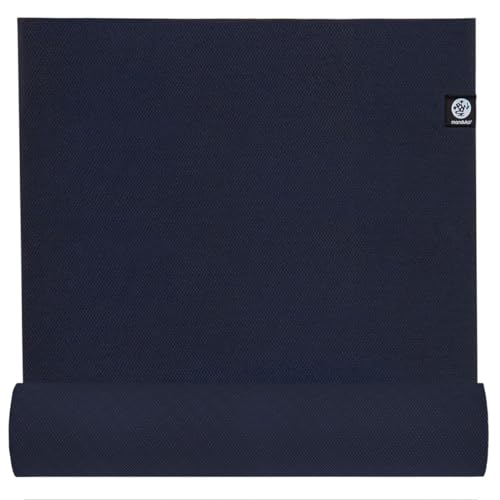
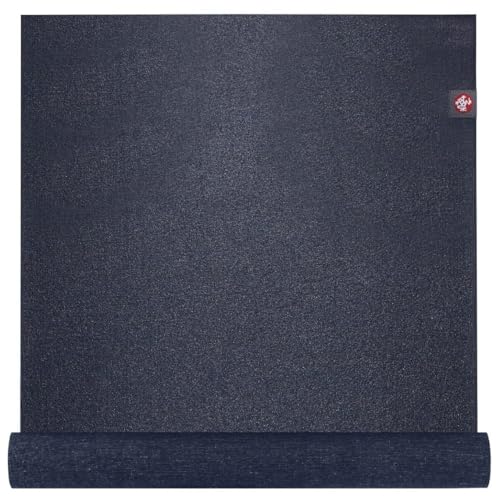
For hot yoga, a grippy, moisture-friendly mat is the priority. Many students also bring a towel to place over the mat. The Manduka PRO is a well-known dense mat often used in heated classes. View on Amazon
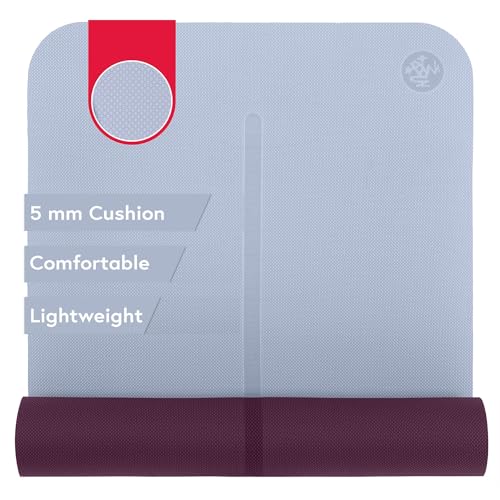
For pilates, a mat with enough cushioning for spine and hip work is useful, and a small pilates ring or loop band can add resistance. The Gaiam Essentials Thick Yoga Mat is a widely sold option for home practice. View on Amazon
FAQ
Is hot yoga better than pilates for weight loss?
Hot yoga usually produces a higher heart rate, so it can contribute more to calorie burn per session. Pilates builds lean muscle and supports posture, which matters for long-term fitness. The best choice is the one you will do consistently, combined with sensible eating and activity outside class.
Can I do pilates and hot yoga in the same week?
Yes, many people do. Alternate the two so you get heavy core work and deep stretching without overloading your body. Allow at least one full rest day, and listen for signs of fatigue or joint discomfort.
Is hot pilates the same as hot yoga?
No. Hot pilates is a pilates-style workout taught in a heated room, usually with a focus on core control and fast-paced repetitions. Hot yoga is a posture-based practice with standing and floor sequences. Both are heated, but the movement vocabulary and goals differ.
Which is easier for complete beginners?
Pilates is generally easier for beginners because it is done at room temperature and offers many modifications. Start with a beginner or introductory class in either style, and consider a few mat sessions at home before attempting a hot room.
Do I need special equipment for either practice?
Hot yoga requires a mat and a towel, and sweat-friendly clothing helps. Pilates can be done with only a mat, though small props such as a ring or loop band add variety. Check your studio’s guidance on bringing your own mat.
Conclusion
When you compare hot yoga vs pilates, the winner depends on your goal. Hot yoga is the stronger choice for sweaty cardio, deep stretching and a challenging mental focus. Pilates is better for core control, posture and a lower-risk, more comfortable practice. Many readers find the most balanced results by using both, with pilates building stability and hot yoga adding mobility and endurance. Try a beginner class in each, pay attention to how your body responds, and choose the routine you will keep doing.
About Claire Whitaker
Claire Whitaker is part of our editorial team and reviews and edits our yoga guides, checking product details against manufacturer specifications and owner feedback.