By Claire Whitaker
Updated November 2026
What temperature is hot yoga? Most studios keep the room between 90°F and 105°F (32°C to 41°C), with humidity often set somewhere around 40 to 60 percent. This guide explains where those numbers come from, how to tell whether a room is within the usual range, and what to do if the heat feels like too much.
The Standard Temperature Range for Hot Yoga
Heated classes, often called Bikram-style or hot power yoga, are usually taught in rooms heated to about 95°F to 105°F. Many vinyasa-style hot classes run slightly cooler, closer to 90°F to 95°F. The difference matters less than you might think: once you pass about 90°F, your body is working hard to cool itself regardless of the exact number on the thermostat.
Shopping for one? See our guide: Ritual Hot Yoga Lakeview Review: What You Should Know.
Humidity changes how the heat feels. A room at 100°F with low humidity can feel more manageable than a room at 92°F with heavy humidity, because sweat evaporates more slowly when the air is already saturated.
What Is the Temperature for Hot Yoga in Practice?
Studios rarely publish a single fixed number. Instead, the heat is set by the room’s HVAC system and often drifts a few degrees over a session as bodies add heat. A useful way to think about it:
- Around 85°F to 90°F: warm room, gentle entry point for beginners.
- Around 90°F to 95°F: typical vinyasa-style hot class.
- Around 95°F to 105°F: traditional hot yoga range, with the most intense sweating.
Above about 105°F, most instructors and safety guidelines consider the room too hot for a comfortable session.
How to Check and Adjust to the Heat
If you are new, ask the front desk what temperature the room is kept at, and whether the studio uses a thermometer or humidity gauge in the room. Arrive early enough to notice how the room feels before class begins.
- Hydrate well in the two to three hours before class, not just with water right before you walk in.
- Eat a light meal at least one to two hours beforehand.
- Place your mat near the door or a vent if you want a slightly cooler spot.
- Take child’s pose or rest whenever you feel dizzy, nauseous or lightheaded.
- Leave the room and sit in a cooler area if symptoms do not settle.
If you have heart, blood pressure or kidney conditions, or you are pregnant, check with your doctor before trying heated classes. Heat stress can be serious, so treat any warning signs seriously.
Factors That Change How Hot the Room Feels
The number on the wall is only part of the picture. Humidity, airflow, room size, class crowding and your own fitness level all affect how hot you feel. A packed 60-person room will run hotter than a half-full one, even at the same thermostat setting. Fans and vents also matter: strong airflow can make the room feel cooler without changing the actual temperature.
Recommended Gear for Staying Comfortable in the Heat
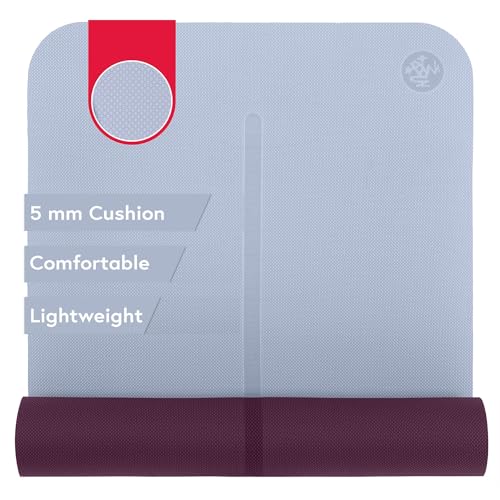
A towel designed to grip the mat helps you stay in place when your hands and feet get slick.
View on Amazon
A small hand towel or sweat towel keeps sweat out of your eyes and off your face during standing poses.
View on Amazon
Common Mistakes With Hot Yoga Temperatures
- Assuming a higher number always means a better workout. Extra heat raises the risk of dizziness without adding benefit.
- Skipping water in the hours before class and trying to make up for it during the session.
- Ignoring early warning signs such as headache, nausea or a racing heartbeat.
- Starting with the hottest class on the schedule instead of a warm or beginner session.
- Assuming all studios use the same temperature. Ask about each one before you book.
For a broader look at what to expect in the room, see True Hot Yoga: Arrowhead Guide: What to Know Before Your First Class and Pregnant and Hot Yoga: Safety Rules, Modifications and What to Ask First. If you are deciding what to wear in the heat, What to Wear at Hot Yoga: 6 Fabric, Fit and Layering Rules (2026) covers fabric choices in detail.
FAQ
What is the temperature in hot yoga for beginners?
Beginners often do best in a room around 85°F to 95°F. Starting at the lower end lets you learn the poses and see how your body responds before you move into the hotter classes.
Is 105°F too hot for hot yoga?
For many people, a room at 105°F is at the upper limit of what is comfortable. If you feel dizzy, nauseous or unusually weak, step out and rest, and consult a doctor if symptoms continue.
Does humidity matter as much as temperature?
Yes. High humidity slows sweat evaporation, so a room with heavy humidity can feel hotter and more tiring than the thermostat suggests.
Conclusion
Most hot yoga rooms sit between 90°F and 105°F, with humidity playing a large role in how the heat feels. Ask your studio about its setting, arrive hydrated, and choose a warmer class if you are new. Your comfort and safety matter more than chasing the highest number on the wall.
Related reading
- What Clothes to Wear for Hot Yoga: 6 Rules for Sweaty Sessions
- Temperature of Hot Yoga: 7 Best Picks Compared for 2026
Ready to choose one?
About Claire Whitaker
Claire Whitaker is part of our editorial team and reviews and edits our yoga guides, checking product details against manufacturer specifications and owner feedback.