By Claire Whitaker
Updated November 2026
If you don’t have yoga blocks, you can still get the support and height you need in most poses. Household items like sturdy books, a firm pillow, a folded blanket or a stack of towels can all stand in for blocks, as long as they are stable and sized to the job. This guide shows you what to use instead of yoga blocks, how to match the substitute to the pose, and what to avoid.
Match the Substitute to the Job
Before you grab anything, decide what the block is doing. Blocks usually serve one of three purposes: raising the floor closer to your hands, supporting a hip or thigh, or adding a little extra length to a stretch. A substitute works best when it does the same job with the same firmness. A soft pillow can cushion your forehead in a forward fold but will collapse under your hand in a standing pose, so choose by function, not by shape.
Shopping for one? See our guide: Foam vs Cork Yoga Blocks (2026): Which Is Better for Your Practice?.
Household Substitutes for Hand and Floor Support
When your hands need to reach the floor in standing poses like triangle or half-moon, you need something rigid and stable. Good options include:
- A stack of hardcover books. Dense, flat hardbacks stacked and taped together give a firm surface. Books with thin paperbacks tend to slide, so stick to hardcovers.
- A sturdy shoe box or cardboard box. Reinforce the lid with packing tape so it does not cave under pressure.
- A firm, flat cutting board. Wood or heavy plastic works well for light to moderate weight. Check that it does not wobble on your mat.
Soft Substitutes for Seated and Restorative Poses
For seated poses, reclining stretches and forward folds, you want height and cushioning rather than rigidity. Try these: We also found Don't Have Yoga Blocks? 6 Household Substitutes That Work useful on this point.
- A folded blanket. Fold a standard blanket into thirds or quarters until it reaches the height you need. Under the sit bones, it supports the hips in seated forward folds.
- A firm couch cushion or sofa pillow. Use this under the knee in low lunges or as a prop in reclining twists.
- A rolled towel or yoga strap wrap. A tightly rolled bath towel works under the forehead in child’s pose or under the sacrum in bridge pose.
How to Set Up a Substitute Safely
Follow these steps before you put any weight on a substitute:
- Place the item on your mat or a non-slip surface. Hardwood floors can make everything slide.
- Press down firmly with one hand and check for give, tilt or movement.
- Test with a small amount of weight first, like leaning lightly, before you commit your full body weight.
- Adjust the height by adding or removing layers until your hand or hip sits comfortably without strain.
- Keep the substitute close to where the block would normally sit, so your alignment stays the same.
Common Mistakes to Avoid
- Using a pillow or soft cushion for standing poses, where it can compress and throw you off balance.
- Stacking objects that are uneven or unevenly weighted, which can tip over mid-pose.
- Choosing something too tall, which forces your spine or shoulders into an awkward position.
- Using glass, ceramic or anything with sharp edges near your hands or feet.
- Ignoring pain. If a substitute causes wrist, knee or back discomfort, stop and consult a physical therapist or qualified yoga teacher.
Recommended Gear
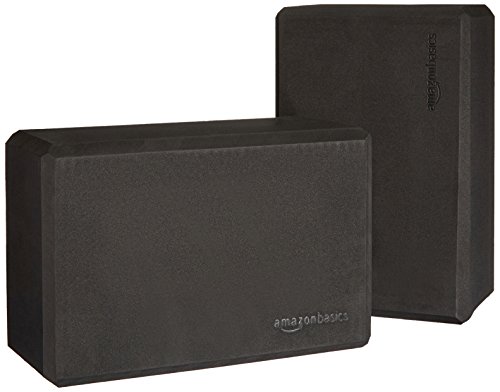
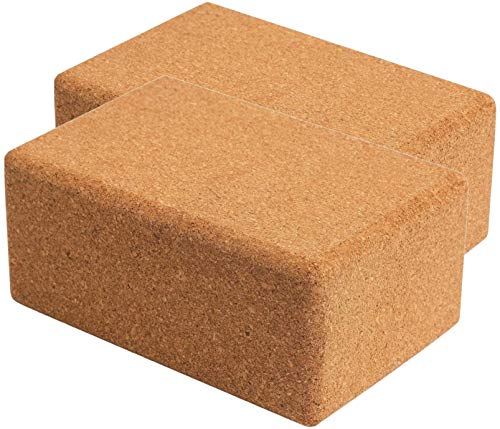
If you practice often and want a stable, consistent option, a proper set of blocks is worth considering. Look at the View on Amazon for a firm, non-slip option. A View on Amazon can hold a folded blanket in place during seated stretches, and a View on Amazon gives restorative poses a firm, supportive base.
FAQ
What can you use instead of yoga blocks for standing poses?
A stack of hardcover books or a sturdy cardboard box works well, as long as it is firm, flat and stable. Avoid soft pillows, which can compress under your hand.
Can I use a pillow instead of a yoga block?
Only for seated, reclining or restorative poses where you need cushioning rather than rigid support. Pillows are not reliable for standing or balancing poses.
Is it safe to use household items instead of yoga blocks?
It can be, if the item is stable, the right height and free of sharp edges. If you have an injury or chronic pain, check with a physical therapist or doctor before changing your props.
Conclusion
The best substitute for a yoga block is one that matches its job: firm for hands and standing poses, soft and layered for hips and seated stretches. Test every item for stability before you rely on it. With a few household swaps, you can keep your alignment and practice safely until you choose a set of blocks.
Related reading
- Yoga Mat and Blocks Set: How to Choose and Use One for Home Practice
- Yoga Blocks and Bolster Set: How to Choose and Use Both (Step-by-Step)
- What Is an Alternative to Yoga Blocks? 7 Practical Substitutes
- What Are Good Substitutes for Yoga Blocks? 7 Options That Work
Ready to choose one?
About Claire Whitaker
Claire Whitaker is part of our editorial team and reviews and edits our yoga guides, checking product details against manufacturer specifications and owner feedback.