By Claire Whitaker
Updated November 2026
Yoga blocks for neck pain can help you relax tight muscles by supporting your head, neck and upper back in positions that take strain off the cervical spine. In this guide, you will learn how to set up a block for gentle neck support, which poses to try, and how to avoid the mistakes that make tension worse. Work slowly, stay within a comfortable range, and stop if pain sharpens or spreads into your arms.
Why Blocks Help With Neck Tension
Most neck discomfort comes from holding the head forward for long periods, whether at a desk or a phone. A block lifts the body so the head and shoulders can rest without effort, which lets the muscles at the base of the skull and along the shoulders soften. The support also makes it easier to keep the neck long, rather than craning it.
Shopping for one? See our guide: Foam vs Cork Yoga Blocks (2026): Which Is Better for Your Practice?.
Blocks work best as a prop for stillness, not stretching. If you have a diagnosed condition, such as a disc problem or recent injury, consult a physical therapist or doctor before starting any new routine.
Setting Up Your Block for Neck Support
Choose a block that matches your body. A standard block is usually enough, but a softer foam block can be easier on a sensitive neck. Use the steps below for a supported setup.
- Lie on your back on a folded blanket or mat, with knees bent and feet flat on the floor.
- Place a block on its lowest setting (flat side down) beneath your upper back, between the shoulder blades, not under the neck.
- Let your head rest on the floor or a folded towel. Keep your chin slightly tucked so the back of the neck stays long.
- Rest here for 2 to 5 minutes, breathing slowly. Your head should feel supported, not pushed upward.
Gentle Poses With Blocks for Neck Pain
Supported Child’s Pose
Kneel and sit your hips back toward your heels. Place a block on its medium height under your forehead, then rest your arms alongside your body. Hold for 1 to 3 minutes. This pose lets the neck and upper back release without weight on the head.
Reclined Shoulder Release
Lie on your back with a block set to its lowest height under your upper spine. Let your arms fall open to the sides, palms up. Stay for about 3 minutes. This position often eases the trapezius and the muscles around the shoulder blades.
Seated Side Stretch
Sit on a folded blanket with a block beside your right hip. Place your right hand on the block and reach your left arm overhead. Lean gently to the right, keeping the neck neutral. Hold for 3 breaths, then switch sides.
Sequence and Timing
A short routine of 10 to 15 minutes works well. Start with the reclined shoulder release for 3 minutes, move to supported child’s pose for 2 minutes, then finish with the seated side stretch on each side. Practice daily if comfortable, and keep sessions calm rather than forceful. For a broader view of back and neck support, see Yoga for Back Pain: A Step-by-Step Guide to Gentle Relief. For more block exercises, try Yoga Exercises with Blocks: 6 Beginner-Friendly Moves to Try at Home.
Recommended Gear
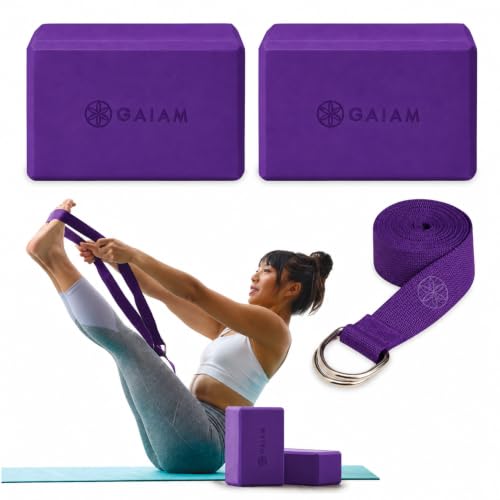
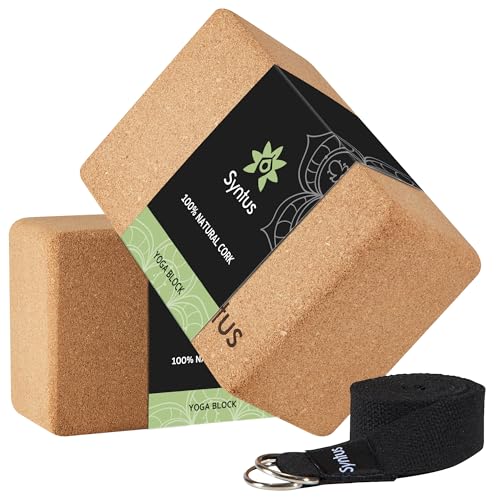
- Cork yoga block: Firm and stable, so it holds its shape under the upper back. View on Amazon
- Foam yoga block: Softer and lighter, a comfortable option for sensitive areas. View on Amazon
- Folded yoga blanket: Adds padding under the head and hips. View on Amazon
Common Mistakes and Tips
- Placing the block under the neck instead of the upper back, which can strain the cervical spine.
- Forcing a stretch to the point of pain. Mild sensation is enough.
- Holding your breath. Slow, even breathing helps muscles let go.
- Using a block that is too high. Start at the lowest height and build up only if it feels comfortable.
- Skipping rest. If neck pain worsens after practice, reduce time or frequency.
FAQ
Can yoga blocks help with a stiff neck?
Yes, supported poses can ease stiffness by reducing muscle effort. Gentle, slow holds work better than active stretching during a flare-up.
How high should the block be?
Start at the lowest height. Raise it only if your head and neck feel supported without strain, and never let your head drop below the level of your heart in a way that feels uncomfortable.
When should I see a professional about neck pain?
See a doctor or physical therapist if pain is severe, lasts more than a few weeks, spreads into your arms, or comes with numbness, weakness or headaches.
Conclusion
Yoga blocks for neck pain offer a simple way to support the head and upper back so tension can release. Start with the lowest block height, practice short supported poses, and keep every movement slow and comfortable. Consistency matters more than intensity, so a few calm minutes each day often bring the best results.
Related reading
- Yoga Mat and Blocks Set: How to Choose and Use One for Home Practice
- Yoga Blocks for Tight Hips: 7 Best Picks Compared for Home Practice
- Yoga Blocks and Mat: Do You Need Both? Setup Tips and Picks
- Yoga Blocks and Bolster Set: How to Choose and Use Both (Step-by-Step)
- Yoga Blocks Explained
Ready to choose one?
About Claire Whitaker
Claire Whitaker is part of our editorial team and reviews and edits our yoga guides, checking product details against manufacturer specifications and owner feedback.