By Claire Whitaker
Updated November 2026
A yoga moon salutation sequence is a slow, gentle series of poses that moves through standing and kneeling shapes to build balance, hip mobility and steady breathing. In this guide you will learn the order of the poses, how to link them with your breath, and how to adjust the sequence for a beginner body. Most practitioners can run through the full flow in about 10 to 15 minutes once the movements feel familiar.
What the Moon Salutation Sequence Is
The moon salutation is often described as the quieter counterpart to the sun salutation. Where sun salutations are dynamic and warming, the moon version is slower and more cooling, with wider stances and more time spent in each shape. It works well in the evening, before bed, or as a gentle warm-up on days when a faster vinyasa feels like too much. If you are new to flowing sequences in general, a read of Yoga Slow Flow Sequence: A Step-by-Step Guide for Beginners will give you useful background on pacing.
Shopping for one? See our guide: Yoga Sequence for Summer Solstice: 6 Best Books and Planners Compared (2026).
Step-by-Step Moon Salutation Sequence
Start in a standing position at the top of your mat with your feet about hip-width apart and your weight evenly spread across both feet. Inhale to lift the arms overhead, then exhale into a forward fold with soft knees. Each pose below should be held for five breaths unless noted.
- Mountain pose (Tadasana): Stand tall, soften the shoulders, and breathe for five counts.
- Crescent lunge with arms overhead: Step the left foot back, bend the right knee over the ankle, and lift the arms. Repeat on the other side.
- Forward fold (Uttanasana): Hinge at the hips, keep the knees slightly bent, and let the head hang heavy.
- Half lift: Inhale and lengthen the spine halfway up, with hands on the shins and a flat back.
- Low lunge with a side bend: Step back into a lunge, reach one arm up and over, and repeat on the other side.
- Warrior II: Turn the feet out, widen the stance, and extend the arms to the sides. Hold for five breaths per side.
- Triangle pose (Trikonasana): From Warrior II, straighten the front leg and reach toward the front shin or a block.
- Child’s pose (Balasana): Kneel, sit back on the heels, and rest the forehead on the mat for at least five breaths to reset.
Linking Breath and Movement
Inhale when the body opens or lifts, and exhale when it folds or sinks. Keep the breath audible but soft, aiming for a rhythm of about four counts in and four counts out. If you lose the thread, pause in a comfortable standing position and resume once the breath steadies.
Adjusting the Sequence for Your Body
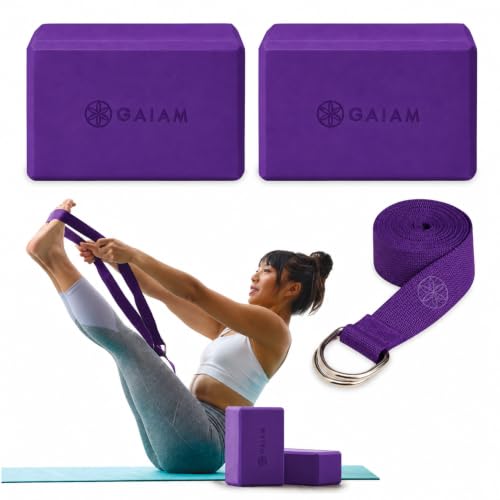
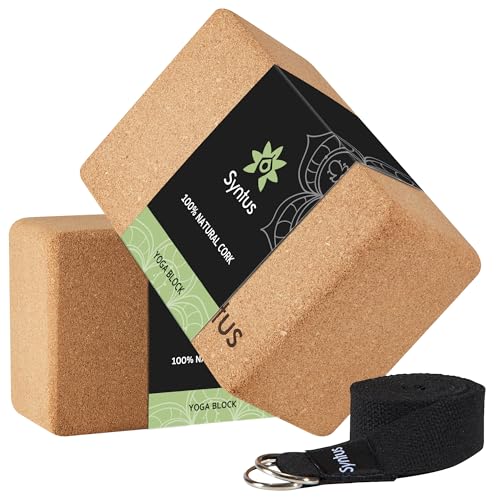
Every pose can be modified. In crescent lunge, keep the back knee on the mat if balance is shaky. In forward fold, bend the knees generously and place the hands on blocks. Blocks and a folded blanket are inexpensive props that make low lunges and forward folds far more accessible, and many teachers recommend them for steady practice at home.
Common Mistakes and Tips
- Rushing between poses. Hold each shape long enough to notice how it feels.
- Locking the knees in forward fold. Keep a slight bend to protect the hamstrings and lower back.
- Letting the front knee drift past the ankle in lunges. Stack the knee over the ankle.
- Forcing the triangle. Shorten the stance or use a block if the hamstrings resist.
- Skipping the child’s pose rest. It helps the body settle and prepares you for the next round.
Recommended Gear
- Yoga block: Supports forward folds and triangle pose so you can keep the spine long. View on Amazon
- Yoga mat: Provides grip and cushioning for lunges and kneeling poses. View on Amazon
- Yoga strap: Helps you reach the feet in forward fold without rounding the back. View on Amazon
FAQ
How long should I hold each moon salutation pose?
Five breaths per pose is a good starting point. Hold longer if the shape feels restful, and shorten the hold if you feel strain.
Can I do the moon salutation sequence every day?
Yes, because the sequence is gentle. Still, listen to your body and rest if you feel persistent soreness. If you have a joint condition or injury, consult a qualified healthcare provider or teacher before starting.
Is the moon salutation good for beginners?
It is well suited to beginners because it moves slowly and allows plenty of modification. For more structured guidance, explore Beginner Yoga Sequences.
Conclusion
The yoga moon salutation sequence offers a calm, grounding way to finish a day or start a gentle practice. Work through the steps slowly, link each pose to your breath, and use props to make the shapes comfortable. With regular practice, the flow will feel smoother and more natural over time.
Related reading
Ready to choose one?
About Claire Whitaker
Claire Whitaker is part of our editorial team and reviews and edits our yoga guides, checking product details against manufacturer specifications and owner feedback.