By Claire Whitaker
Updated November 2026
Buying yoga blocks Canada wholesale comes down to four things: finding suppliers that ship within Canada, matching block material and size to your students, confirming minimum order quantities, and checking that the shipping and duty terms work for your budget. This guide walks through each step so you can source a consistent set of blocks for a studio, teacher training program or retail shelf.
Step 1: Decide What Your Students Need
Start with your class mix before you contact anyone. Most studios use two sizes of block, with a standard rectangular block around 9 by 6 by 4 inches and a shorter option for beginners or restorative classes. Cork blocks are dense and hold up well to daily use, while foam blocks are lighter and softer. If you teach many inversion or balance classes, weight and grip matter more than appearance. Our overview of Yoga Blocks and Straps Wholesale: How to Source Them for Studios (2026) covers how studios typically set their inventory.
Step 2: Find Canadian and Cross-Border Suppliers
Wholesale suppliers fall into three groups: Canadian distributors that stock inventory locally, manufacturers that ship from Canadian warehouses, and importers that bring stock in from overseas. Local stock usually means faster delivery and simpler returns. Imported stock can carry lower unit costs but may add customs processing time and duty. If you want blocks produced domestically, see Yoga Blocks Made in Canada: How to Find and Choose Them.
What to ask every supplier
- Minimum order quantity per SKU, and whether you can mix sizes or colors to reach it
- Material specifications, including cork density or foam type
- Whether prices include duties, brokerage and taxes, or whether these are added at delivery
- Lead time for restocking and whether they hold stock in Canada
- Return or replacement policy for damaged or defective units
Step 3: Compare Materials and Samples
Request samples before placing a bulk order. Press your thumb into the surface: cork should feel firm without crumbling, and foam should spring back quickly. Check edges for chips and make sure the block sits flat on a table. Owners often report that cheap foam blocks compress within a few months of daily use, so ask suppliers how their material holds up over time. For a deeper comparison of cork options, read 6 Best Wholesale Cork Yoga Blocks for Studios and Bulk Buyers.
Step 4: Plan Your Order and Logistics
Calculate how many blocks you need per class. A typical studio that runs a 20-student class with two blocks per person should keep at least 40 blocks per room, plus a 10 to 15 percent reserve for breakage and loss. Factor in shipping weight: cork and foam blocks are bulky, so freight costs can rise faster than the product cost. Ask for a landed-cost quote that includes everything to your door.
Recommended gear
Yoga blocks are the core item, but a few related supplies help studios finish a complete setup:
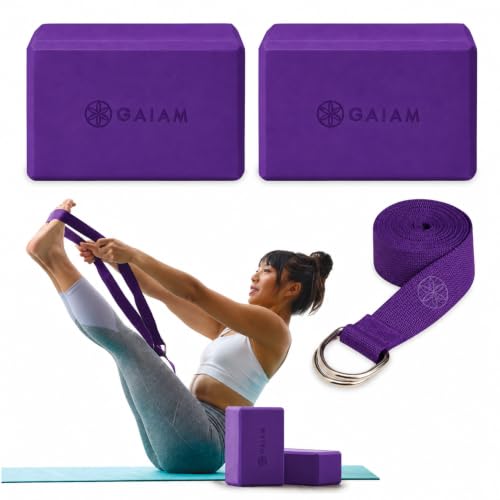
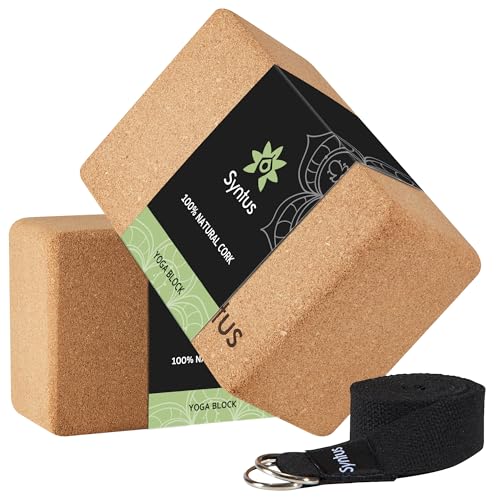
- Cork yoga blocks: a dense, durable option for high-traffic studios. View on Amazon
- Foam yoga blocks: lighter and softer, suited to beginner and restorative classes. View on Amazon
- Yoga straps: pair with blocks for supported stretches and seated poses. View on Amazon
Common mistakes to avoid
- Buying one size only, which limits options for students of different heights
- Ordering without samples, then discovering the foam compresses quickly
- Forgetting to budget for duties and brokerage on imported stock
- Skipping a reserve order, so a breakage wave leaves classes short
- Not asking how the supplier handles defective or damaged units
FAQ
Do I need a Canadian business number to buy yoga blocks wholesale?
Many suppliers ask for a business registration, resale certificate or tax number before opening a wholesale account. Confirm the requirements with each supplier before you apply.
Are cork or foam blocks better for a studio?
Cork suits high-traffic studios because it resists compression. Foam works well for beginner and restorative classes where softness and light weight matter more.
How many yoga blocks should a studio stock?
Plan for two blocks per student in each class, then add a 10 to 15 percent reserve for breakage. Adjust the count based on your average class size.
Conclusion
Sourcing yoga blocks Canada wholesale is easiest when you define your student needs first, then compare suppliers on material, minimum order, landed cost and lead time. Always order samples before committing to bulk stock. For support on fitting props into your classes, consult an experienced studio manager or teacher.
Related reading
- Yoga Postures with Blocks: 6 Step-by-Step Poses for Better Alignment
- Yoga Poses with Blocks: 6 Steps to Better Alignment and Support
Ready to choose one?
About Claire Whitaker
Claire Whitaker is part of our editorial team and reviews and edits our yoga guides, checking product details against manufacturer specifications and owner feedback.