By Claire Whitaker
Updated November 2026
Yoga blocks as speaker stands can work for small, lightweight speakers, but they are not built for that job. This guide explains how to tell whether your speaker and your blocks are a safe match, how to set up a stable platform, and when to choose a proper stand instead. Read the manufacturer specs for both items before you rely on them.
Check the Weight and Size First
Yoga blocks are usually made from foam, cork or EVA, and most are designed to support a body in a pose, not a shifting object on a tall surface. Before you place a speaker on them, confirm two things: the speaker’s weight and its footprint.
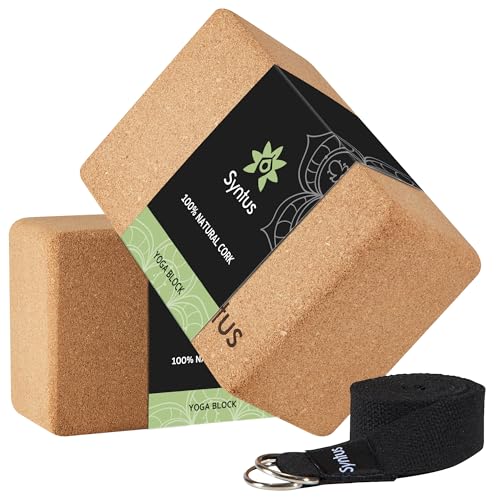
Shopping for one? See our guide: Foam vs Cork Yoga Blocks (2026): Which Is Better for Your Practice?.
- Look up the speaker’s weight in the product manual. Small bookshelf or desktop speakers are often the most realistic match.
- Compare the top surface of the block to the base of the speaker. The speaker should sit fully on the block, with no overhang.
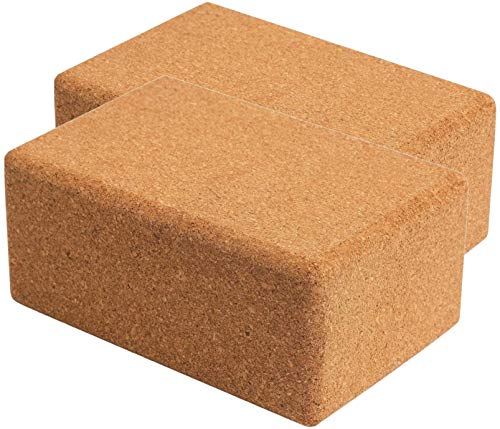
- Check whether the block is solid or hollow. Solid cork and dense foam hold a load better than hollow or lightweight versions.
- Avoid large floor-standing speakers, subwoofers and anything with a heavy magnet or amplifier bolted to the back.
Set Up a Stable Platform
Stability depends on the surface under the blocks as much as the blocks themselves. A level, firm floor or table makes a big difference.
- Place the blocks on a hard, level surface such as a wood floor, tile or a sturdy table. Avoid carpet or rugs, where blocks can sink or slide.
- Stack the blocks with the widest, flattest side on the bottom. Keep the stack as low as you can.
- Use two blocks side by side rather than one tall stack when the speaker is wide. This spreads the load and lowers the center of gravity.
- Set the speaker in the center of the top block. Press down gently on the speaker to test for wobble before you walk away.
- Turn the volume to a moderate level, since heavy bass can cause vibration that slowly shifts the stack.
Protect the Speaker and the Blocks
Blocks can slip, and speakers can tip. A few simple precautions reduce the risk of damage to your equipment and to people nearby.
Add grip and keep the area clear
A thin non-slip mat or a damp-free rubber liner under the bottom block can help stop sliding. Keep cords, pets and children out of the immediate area so nothing catches the stack or pulls it over.
Watch for vibration
Low bass produces vibration that can work a stack loose over an hour or two. Check the setup periodically, especially during long listening sessions.
Common Mistakes
- Using blocks for a speaker that is heavier or larger than the block’s top surface.
- Stacking more than two or three blocks high, which makes the setup top-heavy.
- Placing the setup on carpet, a bed or any uneven surface.
- Ignoring a speaker that starts to rock or creep toward the edge.
- Reusing blocks that show cracks, crumbling edges or flattened foam from long use.
Recommended gear
If you want a proper elevated mount, a dedicated speaker stand is the safer choice. For a light, practical alternative, a sturdy desk shelf or wall bracket also keeps speakers off the floor without stacking props.
- A pair of speaker stands designed for your speaker size keeps the speaker secure and at ear height. View on Amazon
- A non-slip rubber mat under the base helps stop sliding on hard floors. View on Amazon
FAQ
Can I use yoga blocks as speaker stands for any speaker?
No. They suit only small, lightweight speakers that fully fit on the block’s top surface. Check the speaker’s weight and the block’s rated use before you set it up.
How many yoga blocks should I stack?
Two blocks side by side is the safer option. Avoid stacking more than two or three high, because the setup becomes unstable quickly.
Will a yoga block damage my speaker?
Usually not, but foam can compress and cork can scratch painted finishes. Place a soft cloth between the speaker and the block to protect the finish.
Conclusion
Yoga blocks can hold a small, lightweight speaker for casual use if the surface is level and the setup stays low and wide. For anything heavier or for regular use, a purpose-built speaker stand is the safer choice. If you are unsure about the weight or stability of your setup, consult the speaker manufacturer or a qualified audio installer.
Related reading
- Yoga Postures with Blocks: 6 Step-by-Step Poses for Better Alignment
- Yoga Poses with Blocks: 6 Steps to Better Alignment and Support
- Yoga Mat and Blocks Set: How to Choose and Use One for Home Practice
Ready to choose one?
About Claire Whitaker
Claire Whitaker is part of our editorial team and reviews and edits our yoga guides, checking product details against manufacturer specifications and owner feedback.