By Claire Whitaker
Updated November 2026
Will yoga blocks help you lose weight? Not directly. Blocks don’t burn calories on their own, but they can make your practice more accessible, more consistent, and more effective at building strength. Weight loss comes from a calorie deficit supported by regular movement, and blocks can help you stay with that movement long enough to matter.
Why Blocks Don’t Burn Calories on Their Own
A yoga block is a support. It raises the floor under your hand or shifts your body’s position so a pose is easier to hold. Weight loss depends on how much energy your body uses over time compared with how much you eat. A block changes the shape of a pose, not that equation. Don't Have Yoga Blocks? 6 Household Substitutes That Work goes further into this.
Shopping for one? See our guide: Will Hot Yoga Help You Lose Weight? 3 Best Books for the Goal (2026).
That said, the way blocks change a pose can change how hard your muscles work. Props let you hold poses like triangle, half moon, or standing forward folds with better alignment, so you can spend more time in them without strain. Longer holds with steady effort tend to burn more energy than rushed, sloppy reps.
Factors That Decide Whether Blocks Help
Blocks are most useful when they support a practice that already involves real effort. Three factors matter most: For another angle, check out Fitness and Diet Plan to Lose Weight: A Step-by-Step Guide.
- Intensity. A vinyasa or power style that keeps your heart rate up will burn more than a restorative session with blocks under the head.
- Consistency. Three to five sessions a week build a habit. Blocks can make it easier to show up on tight-hip or sore-knee days, which helps you stay consistent.
- Diet and total activity. Yoga is one part of the picture. Daily walking, sleep, and what you eat shape the results far more than any single prop.
How to Use Blocks to Support Weight Loss Goals
If your goal is weight loss, use blocks to make harder poses sustainable rather than to make the workout easier. The aim is to hold effortful positions with good form.
- Pick a sequence built around standing strength poses, such as warrior II, chair pose, and bridge. Our guide to Yoga Poses for Losing Weight: 6 Sequences That Build Strength and Burn Calories lays out options.
- Place a block at a height that lets you keep your spine long while you hold the pose for 30 to 60 seconds.
- Lower the block one level as your strength improves, rather than dropping the pose entirely.
- Track sessions for four to six weeks: count how many you completed and how long you held each pose.
- Add a brisk walk or other cardio on days you don’t practice yoga.
For a structured start, see Yoga Exercises with Blocks: 6 Beginner-Friendly Moves to Try at Home, which covers simple moves you can repeat several times a week. If you have a previous injury, Yoga Blocks for Knee Pain: A Step-by-Step Guide to Gentler Practice shows how to adjust common poses.
What We’d Use
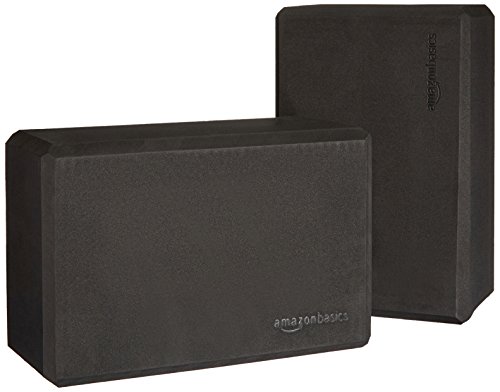
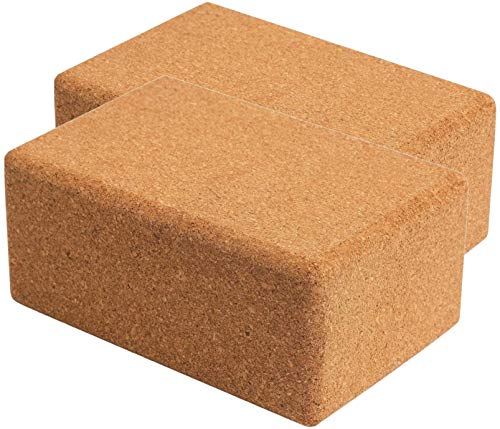
A pair of cork or foam blocks is the most useful starting point, since they are stable and easy to adjust for height.
Cork yoga blocks are firm and grip well on mats, which helps during standing poses. View on Amazon
A block set with a strap is a good match for beginners who want to hold poses longer with less strain. View on Amazon
FAQ
Can yoga blocks alone help me lose weight?
No. Blocks support better form and longer holds, but weight loss depends on overall calorie balance, activity, and diet. Pair your practice with regular movement and healthy eating. Can Yoga Blocks Make You Taller? What They Can and Can't Do goes further into this.
Do I need to use blocks in every class?
No. Use them when they help you hold a pose with good alignment. Many people use blocks only for standing and balance poses.
Should I check with a professional before starting?
Yes, especially if you have joint problems, heart conditions, or other health concerns. A doctor or physical therapist can tell you which movements are safe for you.
Related reading
- Yoga Blocks for Wrist Pain: A Step-by-Step Guide to Gentler Weight-Bearing
- Yoga Postures with Blocks: 6 Step-by-Step Poses for Better Alignment
- Yoga Poses with Blocks: 6 Steps to Better Alignment and Support
- Yoga Mat and Blocks Set: How to Choose and Use One for Home Practice
- Yoga Blocks for Tight Hips: 7 Best Picks Compared for Home Practice
Ready to choose one?
About Claire Whitaker
Claire Whitaker is part of our editorial team and reviews and edits our yoga guides, checking product details against manufacturer specifications and owner feedback.