By Claire Whitaker
Updated November 2026
Who yoga blocks the brain is a phrase people type when they have heard that yoga props, or certain poses, might somehow interfere with thinking or focus. The short answer is that yoga blocks do not block the brain. They are firm foam or cork supports that change how your body sits in a pose, and most people find they help concentration by reducing strain. Any sense of a “blockage” usually comes from holding a position that is too hard, not from the prop itself.
Why the Idea Starts
The phrase usually grows out of a few real experiences. A pose that sits too deep can cause discomfort in the hamstrings, lower back or neck, and discomfort is distracting. Breath may become shallow, and the mind wanders toward the sensation instead of the breath. Someone who feels foggy or lightheaded after a session may connect that feeling to the blocks they used, when the real cause was holding breath, overheating or pushing past a comfortable range.
Shopping for one? See our guide: Foam vs Cork Yoga Blocks (2026): Which Is Better for Your Practice?.
It also helps to separate yoga props from the poses themselves. A block is simply a stable surface. Placing one under a hand, hip or shin raises the floor closer to the body so you can keep the spine long and the breath steady. There is no evidence that a block affects cognition. The effect on attention comes from comfort and alignment.
What Actually Affects Focus in Practice
Several factors matter far more than the props:
- Depth of the pose. Forcing a stretch past your range tends to pull attention toward discomfort.
- Breath pattern. Holding the breath during effort can cause dizziness, which feels like a mental fog.
- Block height and stability. A block that is too low or slides on the floor forces muscles to work harder to stay balanced.
- Room temperature and hydration. Heat and dehydration can cause fatigue and difficulty concentrating.
How to Use Blocks So They Support Your Focus
If you want blocks to help you stay settled and attentive, use them to reduce effort rather than to chase depth. Try this approach:
- Choose a height that lets you reach the floor or block without rounding the back. Start with the block on its middle or lowest setting.
- Place the block on a non-slip surface, and confirm it does not rock when you press into it.
- Set a target for the breath first, such as four counts in and four counts out, and let the pose adjust to that rhythm.
- If your head feels heavy, stop, sit back on your heels and rest. Return only when your breathing is steady again.
- Lower the block height gradually over several weeks as your flexibility improves, not because you feel you should be deeper.
People with heart conditions, dizziness, recent injury, or pregnancy should check with a doctor or qualified yoga teacher before changing their practice.
What We’d Use
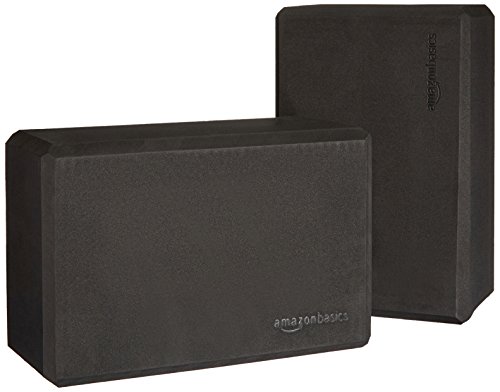
A pair of sturdy foam blocks gives most home practitioners the stability they need for standing and seated poses. View on Amazon
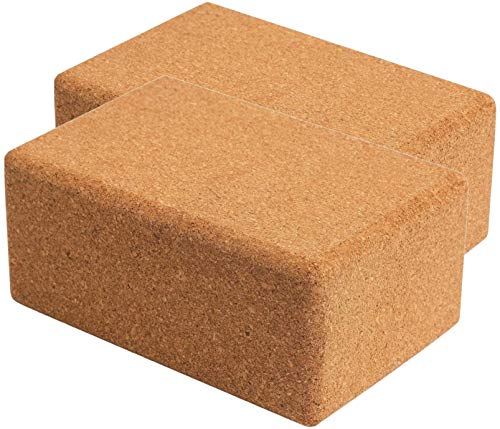
A cork block is a good choice for those who want a firmer surface that holds its shape over time. View on Amazon
FAQ
Can yoga blocks affect my brain or thinking?
No. A yoga block is a support prop with no direct effect on the brain. Any change in focus during practice usually comes from pose depth, breathing or fatigue.
Why do I feel foggy when I use blocks?
Fogginess often comes from holding your breath, overstretching or practicing in a hot room. Try slowing your breath, lowering the block height and taking a seated rest. If dizziness continues, stop and speak with a healthcare professional.
How do I know if my block setup is too hard?
If you feel sharp pain, cannot breathe comfortably, or your mind keeps fixating on the effort, the setup is probably too demanding. Raise the block or use a second one to reduce the stretch until the pose feels steady and calm.
Related reading
- Yoga Postures with Blocks: 6 Step-by-Step Poses for Better Alignment
- Yoga Poses with Blocks: 6 Steps to Better Alignment and Support
- Yoga Mat and Blocks Set: How to Choose and Use One for Home Practice
Ready to choose one?
About Claire Whitaker
Claire Whitaker is part of our editorial team and reviews and edits our yoga guides, checking product details against manufacturer specifications and owner feedback.