By Claire Whitaker
Updated November 2026
Most people need a standard yoga block around 9 inches long, 6 inches wide and 4 inches high, and that size works for the majority of poses. The right choice depends on your height, flexibility and the postures you practice most. This guide walks you through the factors that matter so you can choose blocks that give you real support instead of guesswork.
Start With the Standard Size
Manufacturers commonly sell blocks in a 9 x 6 x 4 inch format, and this is the size most studios and instructors use as a baseline. A block this size is stable under your hand or hip, lets you raise the floor by a useful amount, and fits easily in a bag. If you are buying your first pair and want the least risk of a wrong fit, start here. You can read more about dimensions in Dimensions of Yoga Blocks: Standard Sizes and How to Choose (2026).
Shopping for one? See our guide: Foam vs Cork Yoga Blocks (2026): Which Is Better for Your Practice?.
Match the Block Height to Your Body
Height is the factor that changes the most from person to person. A block’s height determines how far it lifts the floor toward you, so it should match the distance you need to cover in a given pose.
- Stand in a pose where you normally use a block, such as Triangle Pose (Trikonasana), with your front hand reaching down.
- Note how far your hand falls short of the floor.
- Choose a height that brings your hand to a stable, slightly-bent-arm position without strain.
- If your hand reaches the floor easily, a lower block or a half block is enough. If it falls well short, use a high block or stack two blocks.
Taller practitioners usually need the high setting or a second block, while shorter practitioners often find the low setting more comfortable. Don’t force a pose to match a block you already own.
Choose Between Foam, Cork and Wood
Material affects grip, weight and how the block feels under pressure. Foam blocks are light and forgiving, which suits beginners and anyone who needs to move blocks often. Cork offers a firmer surface and better traction on a slippery mat. Wood is sturdy and long-lasting but heavier and less cushioned. Pick the material that matches your practice style, and if you want more detail, see Cork Yoga Mat and Blocks: What to Know Before You Buy.
Consider Your Pose Type
The poses you practice most should guide the final choice. Standing poses and seated forward folds often call for a standard block, while restorative poses may need a higher block placed under the sacrum or head. Backbends and balance work can benefit from blocks that are easy to grip and stay put. For ideas on how blocks change different postures, look at Yoga Poses with Blocks: 6 Steps to Better Alignment and Support.
Checklist Before You Buy
- Your typical standing reach, measured from the floor to your hand in a pose you use blocks for
- Your main poses: standing, seated, restorative or balance
- Preferred material: foam, cork or wood
- Whether you need one block or a pair
- Whether you practice on a slippery surface, which favors cork or a firm grip
Common Mistakes
- Buying blocks based on color or looks rather than height and material.
- Assuming a single height works for every pose.
- Using a block that slides or tips on a smooth mat.
- Forcing the body to reach a block that is too low, which strains the shoulders and lower back.
- Buying a single block when a pair would allow more balanced support.
Recommended Gear
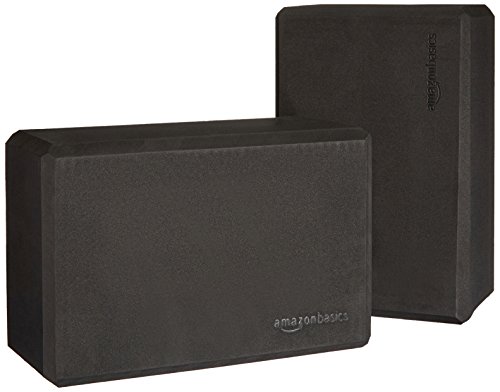
A standard foam block is a practical starting point for most beginners because it is light and comfortable to hold. View on Amazon
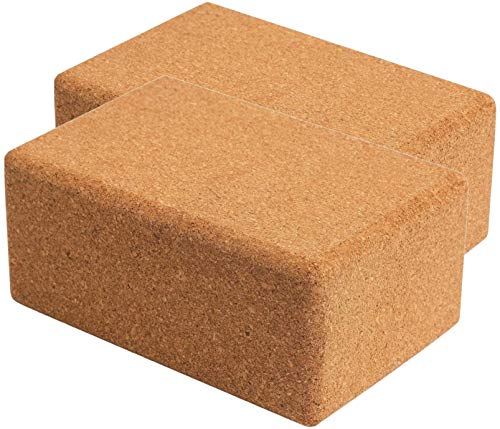
A cork block gives extra grip on a mat and suits anyone who slips in standing poses. View on Amazon
A pair of blocks lets you build stable support on both sides of the body, which is useful in balance and seated work. View on Amazon
FAQ
Can I use a book instead of a yoga block?
Yes, a sturdy hardcover book can work in a pinch, though it may slide and offers less height control. For a closer look at alternatives, see What to Use Instead of Yoga Blocks: 7 Practical Substitutes That Work.
Do I need two blocks or just one?
One block works for many standing and seated poses, but two blocks give more even support for balance and wide-stance work. Beginners often start with one and add a second later.
Will a block help me get deeper into a stretch?
A block reduces the distance you need to cover, which can make a pose feel more accessible and safer. It supports your practice but does not change your flexibility on its own. If you have an injury or ongoing pain, consult a physical therapist or doctor before changing your practice.
Conclusion
For most people, a standard 9 x 6 x 4 inch block is the right place to begin. Adjust the height to your reach, choose a material that suits your mat and practice, and build from there. Once you know which poses you rely on most, a second block or a different height will be easy to decide.
Related reading
- Are All Yoga Blocks the Same Size? What to Know Before You Buy
- What Is an Alternative to Yoga Blocks? 7 Practical Substitutes
Ready to choose one?
About Claire Whitaker
Claire Whitaker is part of our editorial team and reviews and edits our yoga guides, checking product details against manufacturer specifications and owner feedback.