By Claire Whitaker
Updated November 2026
The best material for yoga blocks depends on how you practice. Cork and dense foam are the most common choices for home yoga, while wood suits practitioners who want firm, stable support. This guide compares the main materials so you can match a block to your poses, your floor and your budget.
Start With the Job You Need the Block to Do
Before comparing materials, decide what you will use the block for. A block used for seated meditation needs a different surface than one used to support a standing forward fold. If you are still deciding how blocks fit into your routine, the guide Yoga Blocks What Are They For: 6 Practical Uses for Better Poses covers the most common uses.
Shopping for one? See our guide: 5 Best Cork Blocks for Yoga: Our Picks Compared (2026).
Compare the Four Main Materials
Most blocks sold for yoga are made from one of four materials. Each one trades off grip, firmness and weight differently. Who Yoga Blocks the Brain? What the Phrase Means and Why It Matters goes further into this.
| Material | Grip | Firmness | Weight | Best for |
|---|---|---|---|---|
| Cork | Good, with a natural texture | Firm but slightly give | Moderate | Everyday practice and sweaty hands |
| Dense foam (EVA) | Moderate, can slip on smooth floors | Soft to medium | Light | Beginners, travel, gentle support |
| Wood | Low to moderate, depends on finish | Very firm | Heavier | Deep stretches and long holds |
| Recycled rubber or hybrid | Good | Medium | Heavier | Practitioners who want grip and density |
For a closer look at how these materials differ in construction, see What Are Yoga Blocks Made Out Of? Materials Compared (2026) and Yoga Block Materials Compared.
Match the Material to Your Practice
Use these questions to narrow the field: A related read: What's a Good Push Pull Legs Split? 7 Best Programs Compared (2026).
- Do you need firm support for deep hip or hamstring stretches? Choose wood or a dense cork block.
- Do you sweat heavily or practice on a slick floor? Cork usually grips better than foam.
- Do you carry your block to classes or travel? Foam keeps the weight down.
- Are you a complete beginner? A medium-density foam block gives a forgiving surface while you learn alignment.
If you are unsure about size as well as material, What Size Yoga Blocks Do I Need? A Step-by-Step Guide for Beginners walks through how to choose dimensions.
Consider Durability and Care
Cork and wood hold their shape for years with basic care, but they can crack if dropped or left in direct sun. Foam is durable under normal use but can compress over time, especially under heavy weight. Wipe any block with a damp cloth after use, and let it air dry away from heat. Blocks that take heavy pressure, such as those used to support the full body in advanced poses, should be checked regularly for cracks or flattening.
Common Mistakes to Avoid
- Choosing foam for deep, load-bearing stretches, where it can compress too much.
- Buying a smooth wood block for a slippery floor without a non-slip base or mat.
- Assuming all cork is the same. Density and binder quality vary between brands.
- Ignoring hand comfort. A block you cannot grip easily will not help your alignment.
- Skipping a test on your own floor surface before committing to a set.
Recommended gear
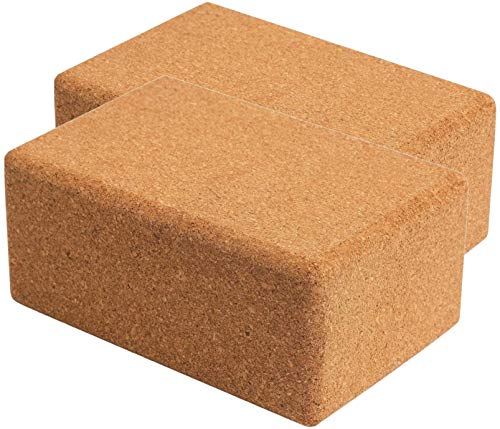
A cork block is a reliable all-round choice for most home practitioners because it balances grip and firmness. View on Amazon
A high-density foam block suits beginners and anyone who wants a lighter, softer surface for gentle support. View on Amazon
A wooden block works well for deep stretches and holds where a firm base matters most. View on Amazon
FAQ
Is cork or foam better for yoga blocks?
Cork is generally better for grip and long-term firmness, while foam is lighter and softer. Choose cork for regular practice and foam if you prioritize portability or are just starting out.
Are wooden yoga blocks good for beginners?
Wooden blocks can be useful, but their firmness and weight may feel harsh for new practitioners. Many beginners start with foam or cork and move to wood later.
How do I know if a block is too soft?
If the block compresses noticeably under your hand or hips and cannot hold your weight steadily, it is too soft for that pose. Test it in the position you plan to use most. Consult a qualified yoga teacher or physical therapist if you have an injury or joint concern.
Conclusion
There is no single best material for every practitioner. Cork offers a strong balance of grip and firmness, foam suits beginners and travelers, and wood gives the firmest support for deep stretches. Choose based on the poses you practice most and the surfaces you practice on.
Related reading
- What Are Good Substitutes for Yoga Blocks? 7 Options That Work
- What Are Foam Yoga Blocks Made From? Materials Explained (2026)
Ready to choose one?
About Claire Whitaker
Claire Whitaker is part of our editorial team and reviews and edits our yoga guides, checking product details against manufacturer specifications and owner feedback.