By Declan Maddox
As an Amazon Associate I earn from qualifying purchases. This page may contain affiliate links.
Tai chi chair yoga blends the slow, circular movements of tai chi with the breath awareness and gentle stretching of yoga, all done while seated in a sturdy chair. In this guide, you will learn the setup you need, a simple seated routine you can repeat at home, and how to adjust each movement so it feels safe and steady. The approach suits people who want low-impact movement, people recovering from illness or surgery, and anyone who prefers to start from a stable position.
If you are new to seated practice in general, you may find it helpful to read Chair Yoga first for the basic principles. Then come back here to layer in the flowing, tai chi style movements.
Shopping for one? See our guide: 5 Best Morning Chair Yoga for Seniors (2026): Expert Picks.
What Tai Chi Chair Yoga Is and Who It Helps
Traditional tai chi is a series of slow, continuous movements that shift weight, turn the torso and coordinate the arms with the breath. Yoga, in its seated form, emphasizes gentle spinal length, joint mobility and steady breathing. Tai chi chair yoga borrows the best of both: the rounded, flowing arm patterns of tai chi and the grounded attention of seated yoga.
Because the chair supports your weight, this style works well for people who have trouble standing for long periods, who are working on balance with support nearby, or who simply want a gentler starting point. It is not a replacement for a full standing tai chi form if your goal is advanced balance training, but it builds the same habits of slow movement, relaxed breathing and body awareness.
Who should talk to a professional first
If you have a recent fall, uncontrolled blood pressure, dizziness, a recent surgery, osteoporosis or a condition affecting your heart or joints, consult your doctor or physical therapist before starting a new routine. They can tell you which movements to avoid or modify.
What You Need Before You Start
Setup matters more than most beginners expect. A few simple conditions make the practice safer and more comfortable.
- A stable chair without wheels. Choose a firm, armless or low-armed chair with a flat seat and a back that stays put when you lean slightly. Avoid rolling office chairs, recliners and folding chairs that wobble.
- Clear space in front and to the sides. You will extend your arms and turn your torso, so leave about an arm’s length of room on each side.
- A non-slip floor surface. Carpet or a rubber-backed mat keeps the chair legs from sliding.
- Comfortable clothing and bare or grippy feet. Loose layers let you move freely, and socks on hard floors can cause slipping.
- A timer or quiet music. Slow, even pacing is easier when you are not checking the clock.
Seat position checklist
- Sit toward the front third of the seat so your hips sit slightly higher than your knees.
- Place both feet flat on the floor, about hip-width apart.
- Sit tall with your spine long, but not stiff. Imagine a string gently lifting the crown of your head.
- Rest your hands on your thighs and take three slow breaths before you begin.
Core Principles of Seated Tai Chi Movement
Before you move, understand the qualities that make tai chi feel different from ordinary stretching. These principles carry over into every movement in the routine.
- Slow tempo. Aim for each movement to take about five to eight seconds to complete.
- Continuous motion. Avoid jerking or stopping abruptly between shapes. The arms and torso should flow like water.
- Soft joints. Keep elbows, knees and wrists slightly bent rather than locked.
- Breath paced to movement. Inhale as the arms open or lift, and exhale as they lower or gather.
- Relaxed face and jaw. Tension in the face often signals that you are pushing too hard.
A Seated Tai Chi Chair Yoga Routine, Step by Step
The routine below takes about 15 to 20 minutes. Practice each movement for five to eight breaths, then move on. Repeat the full sequence two or three times when you are comfortable.
Step 1: Opening breath (1 minute)
Sit tall, hands resting on your thighs. Inhale slowly through the nose for a count of four, then exhale for a count of six. Let your shoulders drop away from your ears on each exhale.
Step 2: Gathering the qi (2 minutes)
Inhale and lift both hands slowly in front of your body to chest height, palms facing each other as if holding a large ball. Exhale and gently lower the hands back toward your lap, palms down. Repeat five times, keeping the motion smooth and unhurried.
Step 3: Wave hands like clouds, seated (3 minutes)
This is the signature tai chi pattern adapted for a chair. Turn your torso gently to the right, letting the right arm sweep across your body at chest height while the left arm opens to the side. Return to center and repeat on the left. Keep your hips facing forward and let your head follow your gaze. Complete six turns to each side.
Step 4: Spinal rolls (2 minutes)
Inhale and sit tall. Exhale and slowly round forward, letting your head drop and your arms hang loosely. On the next inhale, roll back up one vertebra at a time. Keep the movement small if your back is sensitive. Repeat four times.
Step 5: Seated side stretch with arm arc (2 minutes)
Raise your right arm overhead and lean gently to the left, keeping both sitting bones grounded. Hold for four breaths, then return to center and switch sides. Stay within a comfortable range, and do not let your ribs collapse forward.
Step 6: Brush knee, seated version (2 minutes)
Adapted from a classic tai chi motion, turn your torso slightly to the right and sweep your right hand down along the outside of your right thigh. Return to center and repeat on the left. Keep the movement slow and light, and avoid reaching so far that you lose your balance. Repeat three times per side.
Step 7: Closing breath and stillness (2 to 3 minutes)
Bring your hands together in front of your lower belly, palms facing up, one hand resting on the other. Close your eyes if that feels safe. Breathe slowly for at least five minutes if you have time, noticing how the body feels compared to when you started.
Sample Weekly Practice Plan
| Day | Focus | Duration |
|---|---|---|
| Monday | Full routine, learning the movements | 15 minutes |
| Tuesday | Breath work and steps 1 to 3 only | 10 minutes |
| Wednesday | Full routine, two rounds | 20 minutes |
| Thursday | Rest or gentle walking | Optional |
| Friday | Full routine, focus on side stretches | 15 minutes |
| Saturday | Full routine with closing stillness | 20 minutes |
| Sunday | Rest or breath work only | 5 to 10 minutes |
For a printable version of a seated sequence to keep near your chair, see Tai Chi Chair Yoga Chart Printable: Seated Routine for Beginners. If you want a longer structured plan, Free Printable 28 Day Chair Yoga for Seniors: Week-by-Week Plan offers a progression you can adapt.
Recommended gear
Most of this practice needs nothing more than a sturdy chair, but a few simple props can make it more comfortable.
- A non-slip exercise mat or rubber floor pad keeps chair legs from sliding on hard floors. View on Amazon
- A yoga strap can help you reach your feet or extend the arms during side stretches without overreaching. View on Amazon
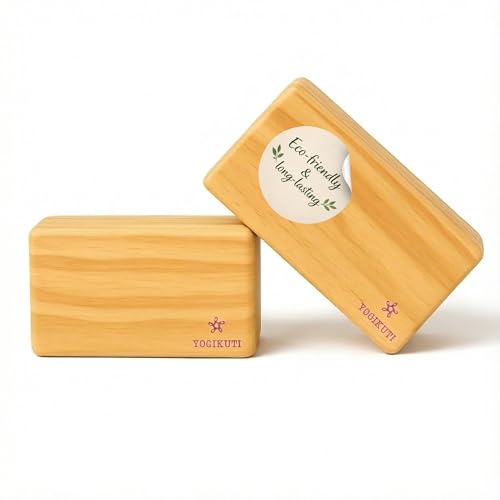
- Yoga blocks can be placed under the feet or on the seat to adjust height for shorter legs. View on Amazon
For more on how these props differ, read Yoga Blocks Explained and Yoga Straps Explained.
Common Mistakes to Avoid
- Moving too fast. Speed is the most common error. If you finish a movement before your breath does, slow down.
- Sitting on the edge of the chair. This reduces stability. Sit well back into the seat before starting.
- Locking the knees or elbows. Keep a soft bend in all joints to protect them.
- Holding the breath. Tai chi relies on continuous breathing, so keep the breath flowing.
- Pushing through pain. Mild stretching is expected. Sharp pain, dizziness or chest tightness means you should stop and rest.
- Turning the torso while your hips rotate. Keep the hips facing forward and let the spine do the turning.
Tips for Making Tai Chi Chair Yoga Stick
- Practice at the same time of day to build a habit, such as after morning coffee.
- Use a mirror or record yourself once a week to check your posture and arm lines.
- Start with three movements and add one more each week until you reach the full routine.
- If you have a beginner class nearby, attending one can give you feedback that a video cannot. The guide Your First Yoga Class explains what to expect.
- For a broader understanding of seated and standing practice, the glossary at Yoga Terms for Beginners can clarify unfamiliar words.
FAQ
Is tai chi chair yoga the same as regular tai chi?
No. Regular tai chi is practiced standing and involves weight shifting and stepping. Tai chi chair yoga keeps the flowing arm and torso movements but performs them seated, which makes it more stable and accessible.
How long does it take to see benefits?
Many people notice improved mobility and calmer breathing within two to three weeks of regular practice, practicing three to four times per week. Individual results vary.
Can I do this every day?
Gentle seated movement is generally safe daily for most healthy adults. If you feel unusually sore or tired, reduce the number of repetitions or take a rest day.
What kind of chair is best?
A firm, stable chair without wheels, with a flat seat at a height that lets your feet rest flat on the floor, works best. Avoid recliners and rolling office chairs.
Do I need to be flexible?
No. The practice is designed to be done within your current range. Movements should feel like gentle challenges, not stretches to the limit.
Can tai chi chair yoga help with balance?
It can support balance indirectly by strengthening the core, improving posture and building body awareness. For direct balance training, a physical therapist can recommend exercises suited to your needs.
Should I stop if I feel dizzy?
Yes. Stop the movement, sit still, breathe slowly, and do not resume until the dizziness fully passes. If it happens often, speak with your doctor before continuing.
Where can I find a printable version of the routine?
Several printable seated guides are available. See Chair Yoga Exercises Printable PDF: 8 Seated Poses for Beginners for a pose-by-pose reference you can keep beside your chair.
Conclusion
Tai chi chair yoga gives you a gentle, low-impact way to practice slow movement, steady breathing and body awareness from a stable seated position. Start with a secure chair, a clear space and the seven-step routine above, practicing at a pace where every movement feels controlled. With consistent practice three or four times a week, most people find the routine becomes a calm and reliable part of their day.

About Declan Maddox
Declan puts together our yoga guides, digging through specifications, manufacturer details and owner reviews so you don't have to.