By Claire Whitaker
Updated November 2026
The manduka eko yoga mat is one of the most recognizable natural rubber mats on the market, and it is built for practitioners who want a thicker, more cushioned surface than a travel mat provides. This review looks at the Midnight colorway in the 71 x 26 inch, 5mm version. It suits people who practice at home on a stable floor, who value joint cushioning for standing and floor work, and who want a mat that holds its grip in dry conditions. It is less suited to anyone who needs a lightweight mat to carry to classes every day, who sweats heavily during hot or power sessions, or who wants a very thin mat for balance-focused practice. Read on for the specifications, a balanced look at strengths and limitations, and a few alternatives worth comparing.
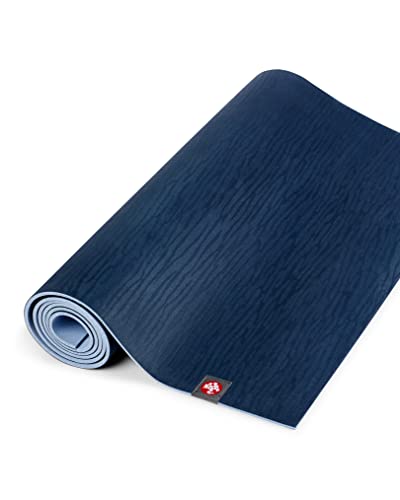
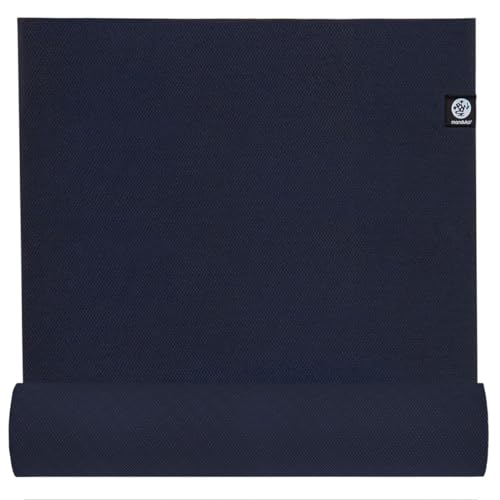
Manduka | eKO Yoga Mat | Midnight | 71x 26 in, 5mm | Textured Grip, Natural & Reliable Traction In Dry Conditions, Responsive Cushion, Natural Rubber, Hygienic
Product Overview
The eKO line is Manduka’s entry in the natural rubber category, positioned between the company’s heavier flagship mats and its ultra-light travel options. This particular listing is the Midnight color in a 5mm thickness and a 71 x 26 inch footprint. The extra two inches of width compared with the standard 24 inch mats gives more room for wider stances, lateral movements and tall practitioners who otherwise feel boxed in during balance poses.
The mat is made from natural rubber rather than PVC, which is the main reason many buyers consider it. Natural rubber has a distinct texture and tends to grip differently from synthetic surfaces. The manufacturer describes the surface as textured to provide traction in dry conditions, and it is designed to be cleaned easily, which matters if you practice on the same mat every day.
It is worth being clear about what this model is not. It is not a travel mat, it is not designed for heavy sweat-based practice, and its 5mm thickness places it in the middle range: noticeably more padded than a thin mat, but not as plush as the thickest cushioned mats sold for restorative work. If you are weighing thickness against portability, the guide on Yoga Mat Thickness Guide lays out how to match thickness to your practice style.
Key Features & Specifications
The table below lists the specifications that the product name and manufacturer description make clear. Measurements are as listed for this exact model; confirm them on the product page before purchasing.
| Specification | Detail |
|---|---|
| Brand | Manduka |
| Product line | eKO Yoga Mat |
| Color | Midnight |
| Dimensions | 71 x 26 inches |
| Thickness | 5mm |
| Material | Natural rubber |
| Surface | Textured grip, designed for traction in dry conditions |
| Cushioning | Responsive cushion |
| Care | Described by the manufacturer as hygienic and easy to wipe clean |
The 26 inch width is the feature most likely to affect daily use. Many standard mats are 24 inches wide, so this model gives you roughly an extra inch on each side. For most people that is enough to make wide-legged standing poses and side stretches feel less cramped without making the mat unwieldy to roll.
Pros & Cons
Pros
- Natural rubber construction appeals to buyers who want to avoid PVC.
- 5mm thickness offers a comfortable middle ground for knees and wrists during floor work.
- The 26 inch width gives extra room for wide stances and balance poses.
- Textured surface is designed to hold grip in dry conditions.
- Owners commonly describe the cushion as responsive, meaning it compresses under weight and recovers.
- Manufacturer describes the surface as easy to clean, which suits daily practice.
Cons
- At 5mm and natural rubber, the mat is heavier and harder to carry than thin or travel mats.
- Traction is described for dry conditions, so sweaty or hot-room practice may reduce grip.
- Natural rubber has a distinctive smell when new, which some buyers find off-putting.
- The wider footprint takes up more floor and storage space than a standard 24 inch mat.
- Price-sensitive buyers may find it costs more than entry-level synthetic mats (this is a value judgment, not a stated figure).
Performance Analysis
Performance on a yoga mat comes down to four things: grip, cushioning, stability and durability. Based on the manufacturer’s description and the patterns that appear in owner discussions, the eKO line performs most strongly on grip and cushioning in dry, controlled settings.
Grip and Traction
The textured surface is the main reason natural rubber mats are chosen. In dry conditions, owners often report that hands and feet stay put during standing sequences such as Warrior II, Triangle and balance work like Tree. Grip is the variable most affected by sweat, and natural rubber is known to become slicker when damp. If you move from a standing flow to a faster vinyasa, you may notice the surface needs a quick wipe with a dry cloth partway through.
Cushioning and Joint Comfort
At 5mm, the mat provides meaningful padding without feeling soft underfoot. This suits most standing work and moderate floor practice. For knees during kneeling poses like Cat-Cow or low lunges, the cushion is generally adequate. For long restorative holds, many practitioners add a folded blanket, since 5mm alone may not feel plush enough for extended passive stretches.
Stability and Width
The extra width helps stability in poses that open the body laterally. Wider mats give you room to set your feet further apart without stepping off the edge, which can matter in Warrior III or Side Plank. The cushioning is responsive rather than squishy, so balance-dependent poses should feel relatively firm compared with very thick mats.
Durability and Care
Natural rubber is generally regarded as durable with regular use, and manufacturers of rubber mats typically recommend wiping with a mild cleanser and air drying flat, out of direct sunlight. Keep the mat away from heat sources and prolonged sun, since heat can degrade rubber over time. Check the care instructions that come with your mat, as they define what is safe to use.
Who Should Buy This Product?
This mat fits a fairly specific group of practitioners. It is a strong match if you practice at home on a stable floor, want natural rubber rather than PVC, and value a slightly thicker cushion without going to the heaviest mats. Tall people and anyone who does wide-stance standing work will likely appreciate the 26 inch width.
It is a weaker match if you commute to classes and need something light to carry, if you practice hot or sweat heavily, or if you want a thin mat for ground-level balance and strength work. Beginners who want maximum padding for sensitive knees may also prefer a thicker option. For readers choosing a mat specifically for beginner practice, Yoga Mats for Beginners compares the main options by stability and comfort.
Buying Guide
Before you buy any natural rubber mat, decide which matters most to you: thickness, weight, width or grip under sweat. Those four priorities point to different models, so narrowing them down first saves time.
- Measure your space. A 71 x 26 inch mat needs a clear area a bit larger than the mat itself, plus room to move. Measure the floor and any storage spot before you order.
- Choose thickness by use. Thin mats (around 1.5mm) suit travel and balance work; 4 to 5mm suits general home practice; thicker mats suit restorative or sensitive joints. The Yoga Mat Thickness Guide covers this in more depth.
- Check material and smell tolerance. Natural rubber is a good fit for buyers avoiding PVC, but the initial odor is normal and fades with airing.
- Plan for sweat. If you practice hot yoga or vigorous flows, look at mats designed for heat and moisture rather than dry-condition traction.
If you want a lighter option from the same line, the Manduka eKO Lite Yoga Mat is the closest alternative. It is 4mm thick and 24 inches wide, which trades some width and cushion for easier carrying. It keeps the natural rubber construction and textured grip.

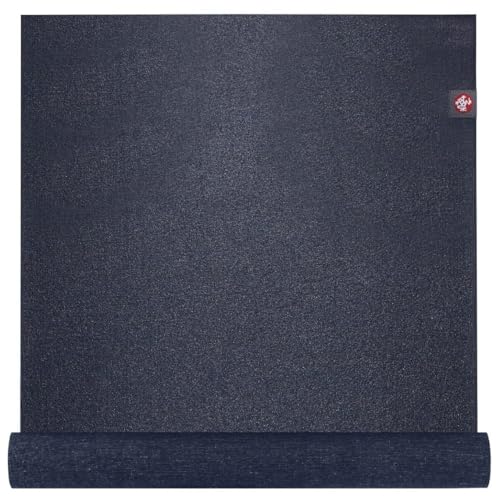
Manduka | eKO Lite Yoga Mat | Deep Sea | 71 x 24 in, 4mm | Textured Grip, Natural & Reliable Traction, Responsive Cushion, Natural Rubber, Hygienic, Easy to Clean
For buyers who need maximum portability, the Manduka eKO Superlite Travel Yoga Mat is far thinner at 1.5mm and is designed to fold. It is built for travel and light practice rather than joint cushioning, so it is a trade-off rather than a direct upgrade.

Manduka | eKO Superlite Travel Yoga Mat | Leaf Green | 71 x 24 in. 1.5mm | Foldable & Travel Friendly, Ultra-Thin, Textured Grip, Reliable Grip, Natural Rubber, Hygienic
A third option for readers focused on Manduka’s broader lineup is to compare these eKO models with the company’s Manduka GRP Yoga Mat: 5 Best Picks Compared (2026), which covers a different tier of the range.
FAQ
Is the manduka eko yoga mat made from natural rubber?
Yes, the eKO line is described as natural rubber. Natural rubber is a different material from PVC, and many buyers choose it for that reason.
How thick is the Midnight 71 x 26 inch model?
This listing is 5mm thick. That gives moderate cushioning that works well for most standing and floor practice.
Is the 26 inch width useful?
For many practitioners, yes. The extra width compared with standard 24 inch mats provides more room for wide stances and lateral poses.
Will the mat get slippery when I sweat?
Natural rubber tends to hold grip best in dry conditions. Owners often report that sweat reduces traction, so wiping the surface during sweaty sessions is a sensible habit.
How do I clean a natural rubber yoga mat?
Wipe with a mild, non-abrasive cleanser diluted in water, then air dry flat away from direct sun. Follow any instructions printed on the mat or packaging.
Is this mat good for hot yoga?
It is designed primarily for dry-condition practice. If you attend heated classes, consider a mat or towel specifically made for moisture, and see 6 Best Hot Yoga Mat Manduka Picks for Heated Classes (2026) for options.
Can this mat be used for Pilates or floor strength work?
Many people use 5mm mats for mat-based Pilates and core work. The cushion is adequate for most floor exercises, though a dedicated Pilates mat may be preferable for some routines.
Should I consult a professional about my mat choice?
If you have joint problems, back issues or a medical condition, consult a physical therapist or doctor before choosing a mat thickness or changing your practice. A professional can recommend cushioning that suits your needs.
Final Verdict
Manduka eKO Yoga Mat (Midnight, 71 x 26 in, 5mm)
The manduka eko yoga mat in this configuration is a sound choice for home practitioners who want natural rubber, moderate cushioning and extra width. Its grip is strongest in dry conditions, its 5mm cushion suits most standing and floor work, and its wider footprint helps taller practitioners. It is not the right pick for travel, heavy sweat or ultra-thin balance practice. If those match your needs, it is worth a close look. Check the current listing for the latest details.
View on AmazonRelated reading
- Yoga Mat Manduka Pro Lite: Specs, Fit and Who It Suits (2026)
- Top 5 Manduka GRP Adapt Yoga Mat Options Compared (2026)
- Manduka Yoga Towel Mat: 5 Factors to Choose One for Hot Yoga (2026)
- Manduka Yoga Mat USA: 5 Picks and How to Choose One (2026)
- Manduka The Pro Yoga Mat: 3 Best Picks for Home Practice (2026)
- Manduka GRP Yoga Mat: 5 Best Picks Compared (2026)
About Claire Whitaker
Claire Whitaker is part of our editorial team and reviews and edits our yoga guides, checking product details against manufacturer specifications and owner feedback.