By Claire Whitaker
Updated November 2026
Half moon yoga blocks are a simple way to make Ardha Chandrasana, the half moon pose, more stable and accessible. By placing a block under your hand, you shorten the distance to the floor, which lets you keep your balance, open your chest and stay in alignment without strain. This guide shows you how to set up, how to use the blocks and what to avoid.
Why Half Moon Yoga Blocks Help
In half moon, the standing leg is locked and the top hand reaches toward the sky, while the bottom hand rests on the floor a comfortable distance from the foot. Many students find that the bottom hand does not reach the floor, which pulls the torso forward and makes the balance harder. A block brings the floor up to meet the hand. Your weight can spread evenly, your hips can stay stacked and your focus can shift from survival to form. For a broader look at the pose, see Half Moon Yoga Poses: A Step-by-Step Guide for Balance and Strength.
Shopping for one? See our guide: Foam vs Cork Yoga Blocks (2026): Which Is Better for Your Practice?.
How to Set Up Your Blocks
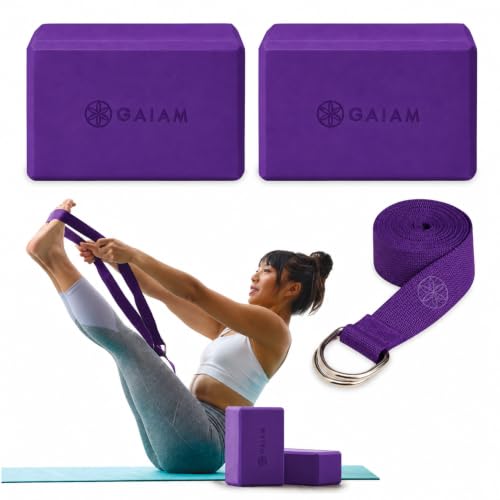
Start with a standard block, or the lowest height if your block adjusts. Place it on the mat about a hand’s length in front of your standing foot, slightly outside the line of that foot. Keep it firm and flat on the floor. If you are working with two blocks, place one on each side for extra support during the transition. For guidance on choosing equipment, Yoga Mat and Blocks Set: How to Choose and Use One for Home Practice covers the basics.
Step-by-Step: Using a Block in Half Moon
- Stand in Triangle or Extended Side Angle with your front foot forward and your back foot turned out about 45 degrees.
- Shift your weight onto the front leg and lift the back leg until it is parallel to the floor. Keep the back toes pointing back.
- Place your bottom hand on the block, directly under your shoulder, with fingers spread and pressing down.
- Extend your top arm straight up, aligned with your ear. Keep the shoulders stacked over the bottom hand.
- Lengthen through the crown of your head, keep the standing knee soft and hold for 5 to 8 breaths.
- To come out, bend the lifted leg, return to Triangle and then step back to standing.
Adjusting Height and Alignment
The height of your block should match your reach. If your bottom hand easily touches the block with a soft elbow, you are in a good position. If your shoulder shrugs up or your torso tilts sharply toward the floor, raise the block by stacking a second one or moving to a higher setting. As your balance improves, you can lower the block or remove it. Keep the top hip stacked on the bottom hip and avoid letting the lifted leg rotate open. Teachers often suggest working with a wall nearby until the pose feels steady. If you want more background, see 6 Best High Density Yoga Blocks for Stability and Support (2026).
Common Mistakes
- Placing the block too far from the body, which forces the shoulder to collapse.
- Letting the bottom hand sit on the block without pressing into it, which reduces stability.
- Locking the standing knee rather than keeping a slight softness.
- Rotating the chest toward the ceiling; keep the torso facing the long side of the mat.
- Holding the pose too long while tension builds in the neck or lower back.
Recommended Gear
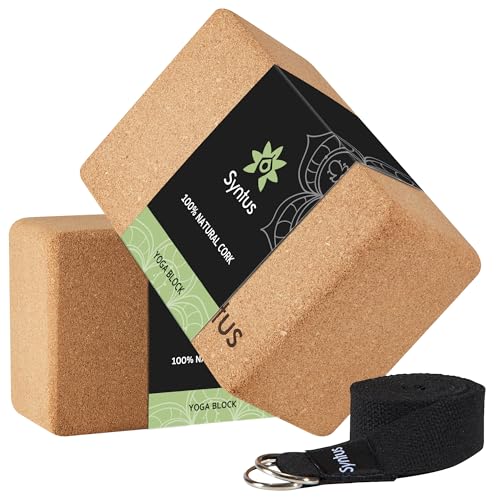
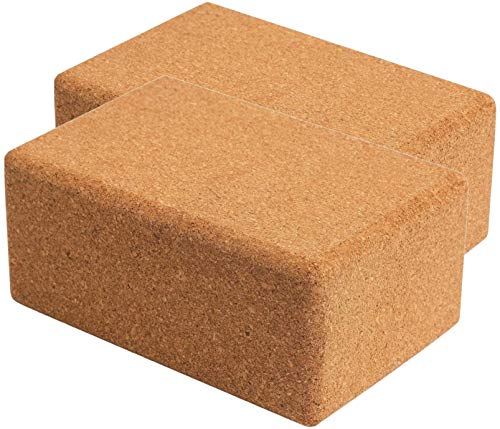
- Cork yoga block: Cork tends to grip the mat and resist slipping under pressure, which helps when the hand is weight-bearing. View on Amazon
- Foam yoga block: Foam is lightweight and soft on the hands, a comfortable choice for beginners. View on Amazon
- Non-slip yoga mat: A grippy surface keeps your feet and hands from sliding during balance work. View on Amazon
FAQ
Do I need two blocks for half moon?
One block is enough for most students, placed under the bottom hand. Two blocks can help if you need extra height or want a symmetrical setup.
Can half moon blocks help with wrist discomfort?
A block can reduce the angle of the wrist by bringing the floor closer, which often feels gentler. If you have ongoing wrist or joint pain, consult a healthcare professional or a qualified yoga therapist before practicing.
How long should I hold half moon with a block?
Five to eight slow breaths on each side is a good starting point. Come out sooner if you feel sharp pain, dizziness or loss of control.
Conclusion
Half moon yoga blocks turn a challenging balance pose into one you can approach with confidence. Set the block a hand’s length in front of your standing foot, press your bottom hand firmly and adjust the height until your shoulders stay relaxed. With steady practice, you can lower or remove the block as your balance grows.
Related reading
- Yoga Postures with Blocks: 6 Step-by-Step Poses for Better Alignment
- Yoga Poses with Blocks: 6 Steps to Better Alignment and Support
- Yoga Exercises with Blocks: 6 Beginner-Friendly Moves to Try at Home
Ready to choose one?
About Claire Whitaker
Claire Whitaker is part of our editorial team and reviews and edits our yoga guides, checking product details against manufacturer specifications and owner feedback.