By Claire Whitaker
Updated November 2026
Hot yoga before and after class is mostly about preparation and recovery. If you eat lightly, hydrate early, arrive with the right gear, and cool down properly once you leave the room, you will get more out of the practice and feel better the next day. This guide walks through each stage in order, with practical steps, a checklist, and the mistakes that trip up most newcomers.
Heated rooms place extra demand on the body. Sweat rates rise, heart rate runs higher than in a standard class, and balance can feel different when the floor is slick. None of that is dangerous for most healthy adults, but it does mean that small habits before and after class make a noticeable difference.
Shopping for one? See our guide: Hot Yoga Auburn Auburn MA: 8 Best Mats and Gear for Heated Classes (2026).
Before Class: Preparing Your Body and Mind
Timing your meal
Aim to finish a full meal two to three hours before class. If you are hungry closer to class time, a small snack such as a banana, a few crackers, or a handful of nuts about 60 to 90 minutes beforehand is usually enough. Heavy, greasy, or very high-fiber meals tend to sit poorly when you are bending, twisting, and inverting in a warm room.
Hydrating in the right window
Start hydrating the day before rather than trying to catch up in the hour before class. Drinking a glass of water with each meal and sipping steadily through the afternoon is more effective than gulping a large volume right before you step into the room. In the 30 to 60 minutes before class, a few sips are fine. Drinking a full liter right before class often leads to sloshing and a trip to the restroom.
Choosing what to wear
Fabric and fit matter more in heat than in a cool studio. Lightweight, moisture-wicking synthetic blends or fitted natural fibers both work well, while cotton holds sweat and can feel heavy by the end of class. Fitted tops and bottoms reduce the chance of fabric slipping on a damp mat. If you are unsure where to start, see What to Wear at Hot Yoga: 6 Fabric, Fit and Layering Rules (2026) for a fuller breakdown.
Arriving early and checking in
Plan to arrive 10 to 15 minutes before the start time. This gives you time to find your spot, set up your mat, and tell the instructor if you are new or have an injury. If you have a health condition, are pregnant, or take medication that affects heart rate or blood pressure, check with your doctor before your first class.
Pre-class checklist
- Light meal or snack finished at least 60 to 90 minutes before class
- Water consumed steadily through the day, with a few sips before class
- Fitted, moisture-wicking clothing that you can move in
- Towel for your mat and one for your body
- Water bottle, clearly labeled, with room to refill
- Phone on silent and stored away from the mat
- Any injuries or conditions noted for the instructor
During Class: Pacing Yourself in the Heat
Listening for early warning signs
Dizziness, nausea, a racing heartbeat that does not settle, headache, or sudden chills are signals to stop. Lie down in child’s pose or on your back, lift your feet slightly if you feel lightheaded, and sip water. Leaving the room for fresh air is a normal and sensible choice. Do not push through symptoms to prove something.
Adjusting your effort
Most newcomers try to match everyone else’s depth in a pose, which is a common route to overheating and strain. Use a lower variation, take breaks in child’s pose, and skip inversions until you feel settled. A useful rule is to keep your breathing steady enough that you could still speak a short sentence.
After Class: Cooling Down and Recovering
Rehydrating in stages
Sip water over the first 15 to 20 minutes after class rather than drinking a large amount at once. If class was long or you sweated heavily, a drink containing electrolytes can help replace sodium and potassium. For most people, normal meals over the rest of the day restore balance without special products.
Cooling your body gradually
Do not step straight into a cold shower or a blast of air conditioning. Let your core temperature come down gradually by sitting or resting in a cooler area, then rinse with lukewarm water. Changing out of wet clothes soon after class also helps you cool down more evenly and avoid chills.
Eating after class
Plan a meal or snack within about an hour. Combining carbohydrates with some protein, such as yogurt with fruit or a sandwich with turkey, supports muscle recovery and steadies energy. Eating very little after a hard session can leave you lightheaded later in the day.
Gentle movement the next day
Some stiffness or mild soreness the following day is common, especially in your first few weeks. Light walking, a short restorative session, and easy stretching usually help. Sharp pain, swelling, or pain that lasts several days warrants a check with a healthcare professional.
Before and After Hot Yoga: Comparison Table
| Stage | Goal | Typical action |
|---|---|---|
| Two to three hours before | Settle a full meal | Eat a balanced, moderate meal |
| 60 to 90 minutes before | Top up energy | Light snack, a few sips of water |
| During class | Pace effort safely | Use child’s pose, modify, sip water as allowed |
| First 20 minutes after | Rehydrate and cool gradually | Sip water, rest in a cooler area |
| Within about an hour after | Refuel | Carbohydrate and protein snack or meal |
| Next day | Ease soreness | Light walking, gentle stretching |
Common Mistakes to Avoid
- Eating a heavy meal right before class. Stay with a light snack or nothing at all if you are not hungry.
- Drinking a large volume of water all at once. Steady sipping works better and reduces sloshing.
- Skipping water the day before. Being dehydrated before you enter the room makes the session harder.
- Pushing through dizziness. Rest, sit or lie down, and tell the instructor.
- Standing up quickly after savasana. Roll to your side and rise slowly to avoid lightheadedness.
- Going straight into a cold shower. A gradual cool-down is gentler on your system.
- Skipping food afterward. A simple snack within an hour helps you recover.
Tips for Making Hot Yoga Easier Over Time
Keep a short log for your first month. Note what you ate, how much you drank, how you felt during class, and how you slept. Patterns show up quickly, and you can adjust timing, portions, or clothing based on what you observe. Choose a time of day that works with your routine so you are not rushing from a meal to a mat. Bringing a dedicated towel for your mat reduces slipping and keeps your gear dry. For guidance on towels, see Towel for Hot Yoga: 7 Tips to Choose and Use One (Step-by-Step).
If you are new to heated rooms, it can help to read up on the studio you plan to attend. Hot Yoga Las Vegas Nevada: 8 Things to Know Before Your First Class and Tula Hot Yoga Denver: A Step-by-Step Guide for First-Time Students show the kinds of details worth checking before a first visit, such as arrival routines and class intensity.
Recommended gear
A quality towel designed for hot yoga keeps your mat from slipping as you sweat. View on Amazon
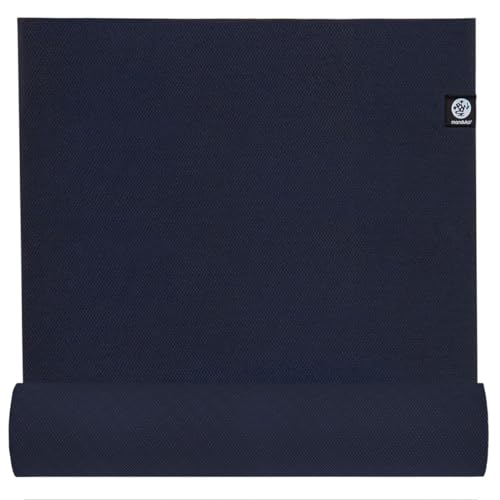
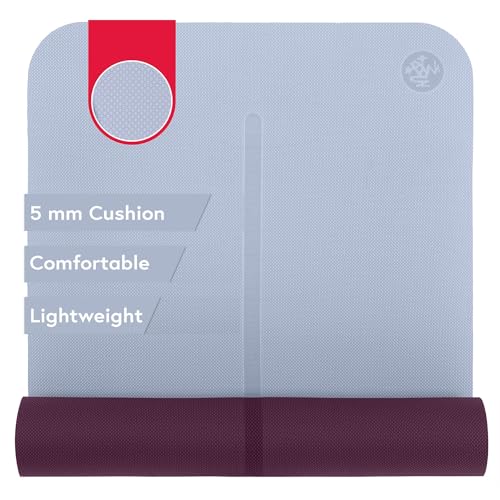
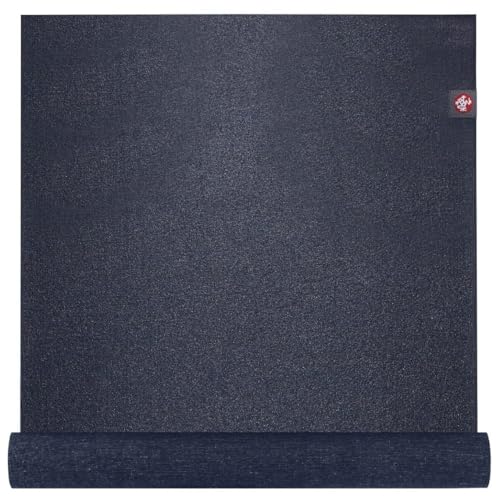
A non-slip mat helps your hands and feet hold position when the floor gets damp. View on Amazon
A insulated or easy-to-clean water bottle makes steady sipping before and after class simple. View on Amazon
FAQ
How long before hot yoga should I eat?
Most people do well finishing a full meal two to three hours before class and having a light snack about 60 to 90 minutes before. Everyone’s digestion differs, so adjust based on how you feel.
How much water should I drink before hot yoga?
Focus on consistent hydration through the day, with a glass of water with each meal. In the hour before class, a few sips are enough. Drinking a large amount right before class is more likely to cause discomfort.
Should I drink electrolytes after hot yoga?
If you sweated heavily or the class was long, an electrolyte drink can help replace sodium and potassium. Otherwise, regular meals and water are usually sufficient. Consult a healthcare professional if you have kidney or heart conditions or take medications that affect fluid balance.
Is it normal to feel tired after hot yoga?
Yes, especially in your first few weeks. Heat increases the effort of every pose. Rest, hydrate, and eat a balanced meal afterward, and expect your energy to build as your body adapts.
What should I do if I feel dizzy in class?
Stop, lie down or sit in child’s pose, lift your feet slightly if needed, and sip water. Tell the instructor and step out to a cooler area if the feeling does not settle quickly. Do not return to class until you feel fully well.
Can I shower right after hot yoga?
You can, but a lukewarm shower is gentler than a cold one. Give your body a few minutes to cool before showering, and change out of wet clothing soon after class.
Is hot yoga safe for everyone?
Many healthy adults practice it safely, but heat places extra stress on the heart, blood pressure, and fluid balance. If you are pregnant, have a heart or blood pressure condition, diabetes, or other medical concerns, consult your doctor before starting.
How soon will I feel more comfortable in the heat?
Many people notice improvement over several weeks of regular practice, as the body adapts to heat and sweating becomes more efficient. Individual experiences vary, so pace yourself and be patient.
Conclusion
Hot yoga before and after class comes down to a few consistent habits: eat lightly, hydrate steadily, dress for sweat, pace yourself in the room, and cool down gradually afterward. Build these into a routine, and the heat becomes far more manageable. If you have health concerns, check with a healthcare professional before you begin.
Ready to choose one?
About Claire Whitaker
Claire Whitaker is part of our editorial team and reviews and edits our yoga guides, checking product details against manufacturer specifications and owner feedback.