By Claire Whitaker
Updated November 2026
Hot vs regular yoga comes down to one question: do you want the heat and the intensity of a sweat-heavy room, or do you want a practice you can control and adjust freely? Hot yoga suits readers who enjoy a demanding, sweaty session and who tolerate heat well. Regular yoga, usually taught at room temperature, suits beginners, people managing health conditions, anyone who overheats easily, and those who want a practice they can take anywhere, including at home.
| Criterion | Hot yoga | Regular yoga |
|---|---|---|
| Room temperature | Typically heated well above room temperature; studios often set it in a warm, humid range | Room temperature, with no added heat |
| Typical sequence | A fixed series of postures, often repeated in the same order each class | Varies widely by style, from gentle Hatha to flowing Vinyasa or restorative sessions |
| Intensity | High, because heat increases heart rate and fatigue | Adjustable from gentle to vigorous |
| Sweat and hydration | Heavy sweating; hydration and electrolyte planning matter | Light to moderate sweating |
| Flexibility gains | Warm muscles may allow deeper stretches, though stretching cold tissue is still safer for some | Gains come steadily with consistent practice and proper warm-up |
| Best for beginners | Possible, but many teachers recommend starting with a regular class first | Generally the easier starting point |
| Practice at home | Difficult; you need a heated space | Easy with a mat, blocks and a straps |
Room Temperature and Heat Exposure: Regular Yoga Wins for Control
Hot yoga is taught in a heated room, and studios commonly aim for a warm, humid environment. Heat changes how the body responds to exercise. Your heart rate rises faster, and your body works harder to cool itself. Many readers find this intensifies the practice, but it also raises the risk of dizziness, nausea and overheating, especially in the first few weeks.
Regular yoga is taught at room temperature, which means you keep full control over your comfort. You can open a window, add a layer or slow down without feeling that the room is working against you. For anyone who feels faint in heat, is pregnant, has heart or blood pressure concerns, or takes medications that affect temperature regulation, regular yoga is the safer default. Winner: regular yoga for control and safety.
If you do choose hot yoga, stop and sit down the moment you feel lightheaded, nauseous or unusually weak. Leave the room if needed. Anyone with a medical condition should check with a doctor before starting.
Sequence and Structure: Hot Yoga Wins for Predictability
Hot yoga classes usually follow a set series of postures, often in the same order each session. Many studios teach a fixed sequence of around 26 postures across 90 minutes, which makes it easy to track progress and know what comes next. You can read a breakdown of common postures in 26 Hot Yoga Poses: A Step-by-Step Guide for Beginners and Regulars if you want to prepare.
Regular yoga offers much more variety. A Hatha class might move slowly through foundational poses, a Vinyasa class links breath to movement, and a restorative class relies on props and long holds. This variety suits readers who want to build different skills, such as balance, strength or breath control. Winner: hot yoga if you want a repeatable structure, and regular yoga if you want variety.
Intensity and Calorie Burn: Hot Yoga Wins for Hard Effort
Heat raises the effort level of nearly every pose. Standing balances, backbends and sustained holds feel harder, and many people finish a hot class fatigued in a way a room-temperature class rarely produces. Readers interested in fitness goals often ask whether this helps with weight management. Heat-driven sweat is mostly water weight, and the calorie burn from heat alone is not large. Broader claims about weight loss are hard to support, so treat hot yoga as one tool among others. You can read more in Will Hot Yoga Help You Lose Weight? 3 Best Books for the Goal (2026) and Weight Loss Hot Yoga: A Step-by-Step Guide for Beginners.
Regular yoga can be as intense or as gentle as you choose. A brisk Vinyasa class can build real strength and cardiovascular effort without any added heat. Winner: hot yoga for raw intensity, though regular yoga can match it with a more vigorous style.
Hydration, Sweat and Recovery: Regular Yoga Wins for Simplicity
Hot yoga produces heavy sweating, so hydration becomes part of the practice. Drink water well before class, bring a bottle to sip during breaks, and rehydrate afterward. For longer or more frequent sessions, a light snack with some salt or electrolytes can help, though healthy adults typically replace fluids with water alone. Anyone with kidney, heart or blood pressure conditions should ask a doctor about fluid and salt intake before adding hot sessions.
Regular yoga usually requires far less planning. A glass of water before class is often enough. Recovery is also easier, because your body is not dealing with heat stress on top of the physical work. Winner: regular yoga for simplicity.
Gear and Clothing: Regular Yoga Wins for Flexibility
Hot yoga calls for moisture-wicking, breathable layers. Many readers choose lightweight tops and fitted bottoms that stay put when wet. For fabric and fit guidance, see Yoga Clothes for Hot Yoga: 7 Fabric and Fit Tips for Sweaty Sessions and What to Wear at Hot Yoga: 6 Fabric, Fit and Layering Rules (2026). A dedicated towel can also help, and Towel for Hot Yoga: 7 Tips to Choose and Use One (Step-by-Step) covers how to pick one.
Regular yoga is more forgiving. You can wear almost anything comfortable, and you can layer up or down as the room changes. Your core props, such as a mat, blocks and a strap, work for both styles, though a non-slip mat matters more when you are sweating. Winner: regular yoga for flexibility in clothing and gear.
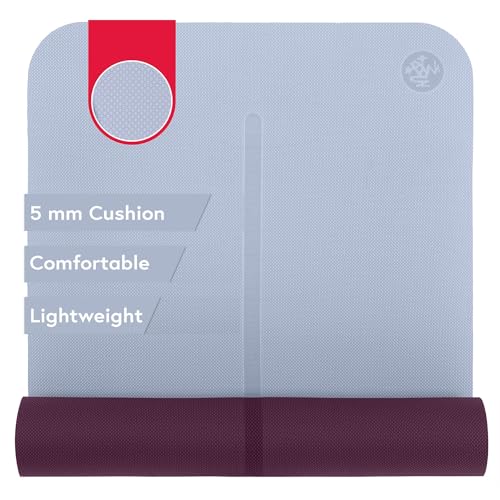
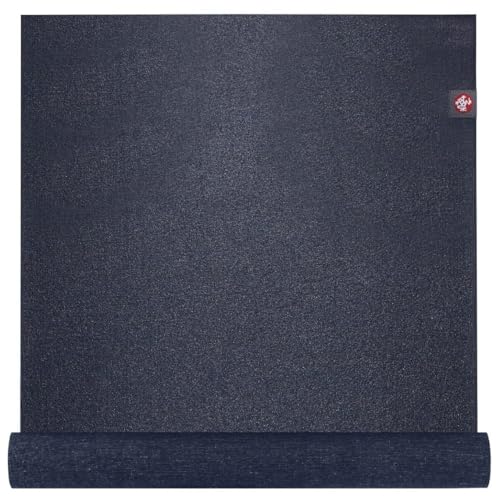
Consider a sweat-resistant mat for hot sessions. The Manduka PRO Yoga Mat is widely recognized for its dense cushioning, and the Gaiam Essentials Thick Yoga Mat is a common everyday choice for regular practice.
View on AmazonAccessibility and Beginner Friendliness: Regular Yoga Wins
Beginners often find regular yoga easier to start. Classes move at a manageable pace, teachers offer modifications, and you can practice in almost any room. Hot yoga can feel overwhelming in the first sessions, and many studios recommend a few regular classes before stepping into the heated room. If you do try hot yoga early, arrive early, take a spot near the door, and skip the most demanding class of the day.
For practice in a home setting, regular yoga is the clear choice. Hot yoga requires a heated space, which most homes cannot provide safely. For a calm, low-heat option at home, Yoga and Hot Flashes: A Calm Practice to Ease Symptoms offers a gentle approach some readers find useful. Winner: regular yoga.
Cost of Entry and Access: Regular Yoga Wins for Flexibility
Hot yoga is usually taught in dedicated studios with heated rooms, so access depends on finding a nearby location. Studio memberships and class packs vary by city, so compare local options before committing. Some readers prefer to test a studio first. For examples of how studios work in practice, see Tula Hot Yoga Denver: A Step-by-Step Guide for First-Time Students and Valley Hot Yoga Wellness Center: What to Know Before Your First Class.
Regular yoga is available at gyms, community centers, parks, online and at home, which makes it easier to fit into a schedule. Winner: regular yoga for accessibility.
Which Should You Choose?
- Choose hot yoga if you enjoy heat, want a demanding and predictable sequence, and have no medical reason to avoid high temperatures.
- Choose hot yoga if you already have a steady regular practice and want to add a challenge.
- Choose regular yoga if you are a beginner, are pregnant, have heart or blood pressure concerns, or overheat easily.
- Choose regular yoga if you want to practice at home or keep your equipment costs and planning simple.
- Choose regular yoga if you want variety across styles such as Hatha, Vinyasa, Yin and restorative.
- Consider alternating both if you want intensity from heat and balance from a calmer practice.
Hot yoga and regular yoga both build strength, balance and body awareness. The right choice depends on your health, your comfort with heat and how you plan to practice.
FAQ
Is hot yoga better than regular yoga for beginners?
Usually not. Regular yoga gives beginners more room to learn alignment, breathing and basic poses without the added stress of heat. Many teachers suggest a few regular classes before trying a heated room.
How hot is hot yoga compared with regular yoga?
Hot yoga rooms are heated well above room temperature and are often humid. Regular yoga is taught at ordinary room temperature. Specific numbers vary by studio, so ask the front desk before your first visit.
Does hot yoga burn more calories than regular yoga?
The effort level is often higher, which can increase energy use. However, much of the weight change people notice in hot yoga is water loss from sweat, not fat loss. Results depend on your overall activity and diet.
Can I do hot yoga if I have a heart condition or am pregnant?
Ask a doctor before trying hot yoga if you have a heart condition, blood pressure concerns, or are pregnant. Heat can strain the body in ways that may not be safe for everyone. Regular yoga is usually the more cautious choice, and a qualified prenatal or medical professional can advise you.
Can I practice regular yoga and hot yoga in the same week?
Yes, many readers do. Alternating a heated class with a room-temperature session can add intensity without overloading your body. Allow time to rest and hydrate, and listen for signs of fatigue or dizziness.
Conclusion
For most readers, hot vs regular yoga is not a contest with one clear winner. Hot yoga offers heat, intensity and a predictable sequence, while regular yoga offers control, variety, easier access and a gentler start. If you are new, have health concerns, or want to practice at home, regular yoga is the better foundation. If you enjoy heat and want a demanding challenge, hot yoga can be a rewarding addition. Whichever you choose, start slowly, hydrate well and check with a professional if you have any medical condition.
Related reading
- 26 Hot Yoga Poses: A Step-by-Step Guide for Beginners and Regulars
- Yoga and Hot Flashes: A Calm Practice to Ease Symptoms
- Yoga Wear for Hot Yoga: How to Choose Fabrics, Fit and Layers
- Yoga Pants Are Hot: Why They Feel That Way and How to Stay Cool
- Yoga Factory & Fitness Fort Lauderdale Hot Yoga Studio: What to Expect (2026)
- Yoga Clothes for Hot Yoga: 7 Fabric and Fit Tips for Sweaty Sessions
About Claire Whitaker
Claire Whitaker is part of our editorial team and reviews and edits our yoga guides, checking product details against manufacturer specifications and owner feedback.