By Declan Maddox
As an Amazon Associate I earn from qualifying purchases. This page may contain affiliate links.
Many people searching for hot yoga when pregnant want the same thing: a way to stay active without overheating or straining. Hot yoga is usually practiced in a room heated to around 95 to 105 degrees Fahrenheit, and that heat is the main concern during pregnancy, since elevated body temperature is something most guidance advises pregnant people to avoid. This list is built around that concern. The picks below were selected through a research-based method that looked at manufacturer specifications, brand reputation for materials and construction, and patterns in owner feedback about grip, cushioning, moisture handling and durability. We did not test these products ourselves, and none of this replaces advice from your midwife, obstetrician or a prenatal-experienced instructor. Each product is ranked by how well it fits the selection criteria for a pregnant practice: non-slip performance, cushioning for joints, breathability, and portability for practicing in a cooler room.
Our Top Picks
Quick Comparison
| Product | Best for | Key feature |
|---|---|---|
| Manduka PRO Yoga Mat | Dense cushioning for sensitive joints | Closed-cell surface with a thick, supportive build |
| Jade Harmony Professional Yoga Mat | Natural rubber grip in warm rooms | Natural rubber base with a non-slip surface |
| Gaiam Essentials Thick Yoga Mat | Budget-friendly cushioning | Extra thickness for padding under the knees and hips |
| Liforme Original Yoga Mat | Alignment cues and stable footing | Printed alignment markers and grippy surface |
| Lululemon The Reversible Mat | Lightweight travel between classes | Reversible surface with a textured side for sweat |
| Yoga Towel by Manduka eQua | Sweat control on the mat | Absorbent top layer that grips when damp |
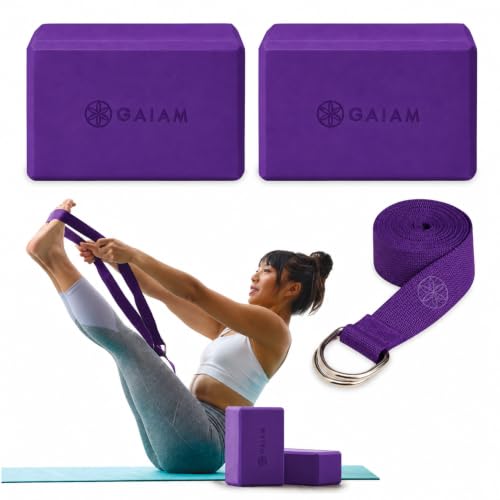
| Gaiam Yoga Block Cork | Stable support for standing and seated poses | Sturdy, lightweight block with a grippy surface |
Manduka PRO Yoga Mat
This mat suits people who want maximum cushioning for knees, wrists and hips as the body changes through pregnancy. It is a heavier, denser option that many owners describe as stable on the floor.
Key specs
- Manufacturer-specified thickness of about 6 mm
- Closed-cell surface designed to resist moisture absorption
- Lifetime warranty stated by the manufacturer
- Weight is heavier than most travel mats
Pros
- Substantial cushioning for joint support
- Surface stays firm and stable during balance poses
- Durable construction that owners often report holds up to frequent use
Cons
- Heavy to carry to a studio
- Can feel slick when very sweaty in a hot room
Jade Harmony Professional Yoga Mat
Designed for a practice that stays grounded, this mat fits people who prefer natural materials and a firm grip. It works well for standing poses where stability matters more than extra padding.
Key specs
- Natural rubber base
- Manufacturer-specified thickness of about 4.7 mm
- Non-slip surface intended for grip when damp
- Made without PVC, according to the brand
Pros
- Strong grip for standing and balancing poses
- Natural materials appeal to many buyers
- Firm feel supports stable transitions
Cons
- Natural rubber has a distinctive smell that some owners find strong at first
- Less padding than thicker mats
Gaiam Essentials Thick Yoga Mat
This is a practical choice for someone who wants extra thickness without paying for a premium material. It suits practitioners who mainly need cushioning on hard floors.
Key specs
- Manufacturer-specified thickness of about 0.5 inch
- Textured surface for grip
- Lightweight relative to its thickness
- Available in multiple colors
Pros
- Generous padding for knees and hips
- Good value for a budget pick
- Easy to store and move
Cons
- Softer surface can feel less stable in balance poses
- May need a towel on top during hot sessions
Liforme Original Yoga Mat
This option appeals to people who value alignment guidance and a stable, grippy surface. The printed alignment markers can help with foot and knee placement as the center of gravity shifts.
Key specs
- Printed alignment guides on the surface
- Manufacturer-specified thickness around 4.2 mm
- Natural rubber base with a grippy top layer
- Premium option in its category
Pros
- Alignment markers help with setup
- Strong grip reported by many owners
- Durable construction
Cons
- Thinner than cushioned options
- Premium option that may not suit every budget
Lululemon The Reversible Mat
A lighter mat that works for people who move between a home practice and a studio. The reversible design gives two surfaces, which some owners prefer depending on how much moisture they expect.
Key specs
- Reversible design with two textures
- Lightweight for easy carrying
- Manufacturer-specified thickness around 5 mm
- Designed for everyday yoga use
Pros
- Easy to transport
- Two-sided design offers flexibility
- Textured side helps with grip when sweaty
Cons
- Less cushioning than thicker mats
- Premium option in its price tier
Yoga Towel by Manduka eQua
A towel that lays over your mat is often the simplest fix for sweat, and it matters more in a heated room. This option suits people who want grip and absorbency without a heavy setup.
Key specs
- Microfiber top layer designed to absorb moisture
- Grip surface that becomes more secure when damp
- Sized to cover a standard mat
- Machine washable according to care instructions
Pros
- Strong moisture absorption for hot rooms
- Adds grip on top of most mats
- Easy to wash between sessions
Cons
- Can shift if the mat underneath is very slick
- Adds a layer of thickness that some practitioners dislike
Gaiam Yoga Block Cork
A block offers stable support for standing poses and can be useful when balance changes during pregnancy. This cork version suits people who want a firm, grippy prop.
Key specs
- Cork surface with natural grip
- Lightweight for its size
- Standard block dimensions
- Sturdy construction for standing support
Pros
- Stable for standing and seated poses
- Cork surface resists slipping
- Easy to carry
Cons
- Can feel firm for some people
- Cork surfaces may show wear over time
Buying Guide
Choosing gear for hot yoga when pregnant is different from choosing for a standard practice. The room is hot, the body is changing, and balance and joint comfort matter more. The features below help narrow your options.
Selection Criteria
The picks in this list were judged on four points: grip when the surface is damp, cushioning for knees, wrists and hips, moisture handling, and portability. None of these are medical criteria. They are practical filters for a practice in a heated room.
Important Features
- Grip: Look for natural rubber, closed-cell PVC-free surfaces, or textured tops described by the manufacturer as slip-resistant when wet.
- Cushioning: Thicker mats (around 6 mm or more) provide more padding, but reduce stability in some balance poses. Thinner mats give more ground feel.
- Moisture control: A microfiber towel can help. Check whether it is designed to lay over your mat and stay put.
- Weight: Heavier mats are more stable but harder to carry. Lighter mats suit people who travel between studios.
Specs to Check
- Thickness in millimeters or inches
- Base material (natural rubber, PVC, TPE, cork for blocks)
- Surface texture and any stated slip-resistance
- Dimensions and weight
- Care instructions, especially for towels and cork
Choosing by Need
- If joint comfort is the priority: A thicker cushioned mat, such as the Manduka PRO or Gaiam Essentials Thick.
- If balance and grip are the priority: A natural rubber mat like the Jade Harmony or Liforme.
- If you practice in several places: A lighter reversible mat such as the Lululemon Reversible Mat.
- If sweat is the main concern: A towel layered over your mat, such as the Manduka eQua towel.
- If you want support in standing poses: A cork block for stable props.
Things to Watch Out For
- A mat that looks grippy when dry can become slick once heavily sweaty. Test it at home first if you can.
- Very hot rooms carry health considerations during pregnancy. Equipment cannot offset that risk.
- Check return policies, since fit and feel are personal.
FAQ
Can you do hot yoga when pregnant?
Many prenatal guidance sources advise against hot yoga during pregnancy because elevated core temperature is a concern, especially in the first trimester. Some people choose warm or heated classes with close attention to comfort, but you should discuss this with your midwife or obstetrician before attending.
Can I do hot yoga when pregnant if I have practiced before?
Experience does not remove the temperature concern. Your body is changing, and blood flow and heat regulation may be different from before pregnancy. Ask your care provider whether any modified practice is appropriate for you.
What temperature is considered too hot during pregnancy?
Common guidance is to avoid getting overheated, and many sources suggest keeping the environment cooler than typical hot yoga rooms, which are often around 95 to 105 degrees Fahrenheit. Your care provider can give you a personal limit.
What warning signs should stop a practice?
Stop and seek medical advice if you feel dizzy, faint, short of breath, nauseated, have chest pain, notice vaginal bleeding or fluid leakage, or feel contractions or abdominal pain. These symptoms need professional evaluation.
Is a prenatal yoga class a better option?
Prenatal classes are typically taught at normal room temperature and focus on modifications for each trimester. They are often a safer starting point, and many instructors are trained in pregnancy-specific adjustments.
Does mat thickness matter more during pregnancy?
Cushioning can make kneeling and floor work more comfortable, which many people find helpful as the body changes. The right thickness depends on your comfort and balance, so try a few options if you can.
Should I bring a towel to class?
A towel is useful in any heated setting because it absorbs sweat and reduces slipping. Use it with caution in heated rooms and keep hydration and cooling in mind.
Conclusion
If you are considering hot yoga when pregnant, the most important step is a conversation with your midwife or obstetrician. If they clear you for heated classes, the gear in this list can make a practice more comfortable. People who prioritize joint cushioning may prefer the Manduka PRO or Gaiam Essentials Thick. Those who want grip and natural materials may look at the Jade Harmony or Liforme. If you travel often, the Lululemon Reversible Mat is a lighter option, and a towel such as the Manduka eQua suits sweat control. For standing support, the Gaiam cork block is a practical prop. Choose based on your comfort, your care provider’s guidance, and how you plan to practice.
Related reading
- Hot Yoga Calories Burned: What to Expect in a 60-Minute Class
- Your First Yoga Class
- Yoga in Small Spaces
- Yoga for Back Pain: A Step-by-Step Guide to Gentle Relief
- Yoga Towels

About Declan Maddox
Declan puts together our yoga guides, digging through specifications, manufacturer details and owner reviews so you don't have to.