By Claire Whitaker
Updated November 2026
Buying wholesale yoga mats and blocks works best when you start with clear specs, a realistic order plan and a short list of vetted suppliers. This guide walks you through each step so you can order stock that holds up to daily studio use and sells well to your students.
Define What Your Studio Actually Needs
Before you request a single quote, write down how your classes use equipment. A vinyl-heavy hot yoga room has different needs than a gentle restorative program or a Pilates-yoga hybrid. Note the number of students per class, how often mats are cleaned, and whether you plan to sell retail stock alongside your inventory.
Shopping for one? See our guide: 4 Best Bags for Yoga Mat and Blocks Compared (2026).
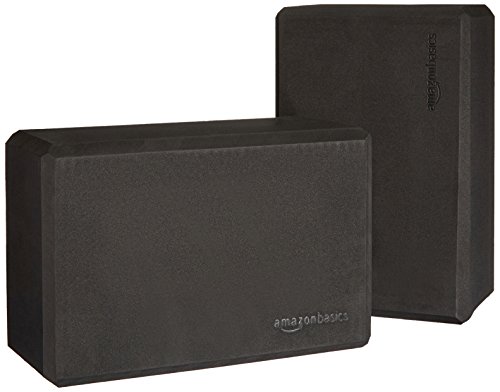
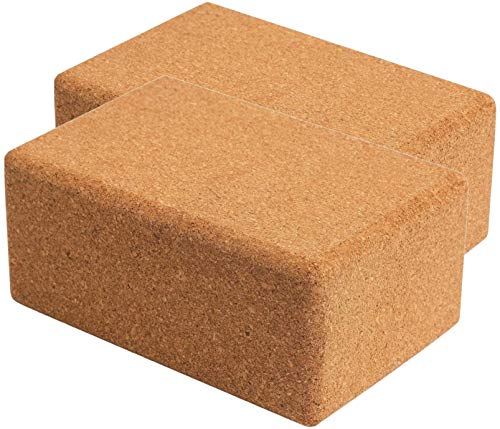
For mats, most studios settle on a thickness between 4 mm and 6 mm for general classes, with thinner mats used for flow and thicker ones for restorative or floor-based work. For blocks, standard foam blocks are common, while cork and wood options suit studios that want a firmer, more natural feel. Our guide to Yoga Mat Thickness Guide covers how thickness affects support and grip.
Compare Materials and Construction
Material drives both price and performance. PVC mats offer strong grip and durability, while natural rubber and TPE alternatives appeal to buyers who prefer lower-impact materials. Foam blocks are light and easy to store, and cork blocks resist moisture and hold their shape over time. If you are weighing cork for your inventory, see Cork Yoga Mat and Blocks: What to Know Before You Buy for a side-by-side look at tradeoffs.
Ask suppliers for density and edge-finish details, since these affect how mats fold, roll and wear. For blocks, check that edges are smooth and that the surface resists chipping. Manufacturers typically state a recommended cleaning method, which matters if your studio sanitizes equipment between classes.
Set Your Order Quantities and Minimums
Wholesale suppliers often set minimum order quantities, so confirm these before you commit. Many studios stock mats and blocks in matching sets so students get a consistent experience, and buying in sets can simplify both ordering and inventory counts. Track how many items you lose or replace each quarter, then build your first order around that number plus a modest buffer.
- List current equipment counts and their condition.
- Estimate weekly class attendance and equipment use per class.
- Decide on mat and block ratios (many studios keep one block per two students).
- Request minimums, lead times and sample units before placing a full order.
- Confirm shipping terms, return policy and warranty coverage in writing.
Vet Suppliers Before You Commit
Ask every supplier for product specifications, material certifications where relevant, and references from other studios. Request samples and test them in your own space with your own class plan. Check whether the supplier offers replacements for defective units and how long that process typically takes. For a broader sourcing view, Yoga Blocks and Straps Wholesale: How to Source Them for Studios (2026) outlines questions to ask a supplier.
Common Mistakes
- Ordering based on price alone and ignoring grip or thickness.
- Skipping samples, which can hide differences in edge quality or odor.
- Failing to confirm minimum order quantities before planning a budget.
- Forgetting storage space for bulk deliveries.
- Not setting a cleaning routine, which shortens the life of both mats and blocks.
Recommended Gear
A sturdy carrying system helps students move mats and blocks between rooms and keeps your loaner stock organized. A View on Amazon makes it easier for students to transport their own equipment. Sample mats from several sources help you compare grip and thickness before a bulk order. Finally, a View on Amazon suits routine cleaning between classes.
FAQ
Do wholesale suppliers sell in small quantities?
Some do, but many set minimum order quantities. Ask each supplier directly about minimums before you plan your budget.
Should a studio buy mats and blocks from the same supplier?
Buying from one supplier can simplify ordering and keep styles consistent. Compare each product category separately, though, since the best mat source may not be the best block source.
How often should studio equipment be replaced?
Replacement depends on use and cleaning. Inspect mats and blocks regularly for wear, tears or surface breakdown, and replace items that no longer grip or hold their shape.
Conclusion
Sourcing wholesale yoga mats and blocks becomes straightforward once you define your class needs, compare materials and check supplier terms. Order samples, confirm minimums and set a cleaning routine before you scale up. Following these steps helps your studio stock equipment that lasts and serves students well.
Related reading
Ready to choose one?
About Claire Whitaker
Claire Whitaker is part of our editorial team and reviews and edits our yoga guides, checking product details against manufacturer specifications and owner feedback.