By Claire Whitaker
Updated November 2026
A yoga sequence for core strength works by asking your abdominals, obliques and lower back to stabilize your body while you move, hold and breathe. This guide gives you six poses in a logical order, with setup cues and a 15-minute timing plan. You only need a mat and, optionally, a folded blanket for your head or hips.
Why a Core Sequence Works Best in a Set Order
Core muscles fatigue quickly when they are asked to work cold. Starting with gentle warm-up movements lets your breath settle and your spine get used to moving, so the harder holds later feel controlled rather than forced. If you want a fuller warm-up first, the Yoga Warm Up Sequence: 8 Gentle Moves to Prepare Your Body covers the basics.
Shopping for one? See our guide: Yoga Sequence for Summer Solstice: 6 Best Books and Planners Compared (2026).
The Six-Pose Core Sequence
Hold each pose for five slow breaths unless noted, and repeat the full set once if you have time.
1. Supine Pelvic Tilt (1 minute)
Lie on your back with knees bent and feet flat. Exhale and gently press your lower back toward the mat, then inhale to release. This wakes up the deep abdominals without strain.
2. Boat Pose Preparation (five breaths)
Sit with knees bent, feet on the floor and hands behind your thighs. Lean back slightly, lift your feet until your shins are parallel to the floor, and keep your chest open. If your lower back rounds, bend your knees more.
3. Plank Hold (20 to 30 seconds)
From hands and toes, align wrists under shoulders and keep a straight line from head to heels. Draw your navel toward your spine and avoid letting your hips sag or lift. Drop to your knees if your form breaks down.
4. Side Plank (15 seconds per side)
Stack your feet or bend the bottom knee, and press firmly through your bottom hand. Lift your hips so your body forms a line, and keep your top arm reaching up or resting on your hip. Side planks target the obliques that plank alone misses.
5. Seated Twist (five breaths per side)
Sit tall with legs crossed or extended. Place one hand behind you and the other on the opposite knee, then rotate from your waist while lifting through the crown of your head. Keep the movement in your torso, not your neck.
6. Bridge with Dead Bug Finish (eight reps)
Lie on your back, lift your hips into a bridge, lower, then extend opposite arm and leg as you lower your hips back to the mat. Alternate sides with slow control. This pose builds the connection between your core and hips.
Timing Your 15-Minute Practice
| Pose | Time or reps |
|---|---|
| Supine pelvic tilt | 1 minute |
| Boat preparation | 5 breaths |
| Plank | 20–30 seconds |
| Side plank | 15 seconds each side |
| Seated twist | 5 breaths each side |
| Bridge with dead bug | 8 reps |
Checklist Before You Start
- Clear a flat, non-slip space at least as long as your body.
- Wear clothing that lets you bend and twist freely.
- Have water nearby and a towel for sweat.
- Decide whether you will hold planks on hands or forearms.
Common Mistakes
- Holding your breath during plank or boat. Keep breathing steadily.
- Arching the lower back in bridge or boat. Engage the abdominals first.
- Pushing through neck strain during twists. Lengthen the spine before rotating.
- Rushing the holds. Slow, controlled breaths build more strength than speed.
Recommended Gear
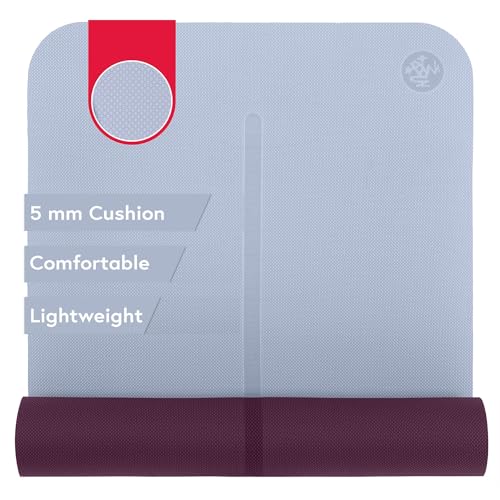
- Non-slip yoga mat: A grippy surface keeps your hands and feet stable during planks and side planks. View on Amazon
- Folded blanket: Adds padding under your head or hips in supine poses and softens the floor for seated work.
FAQ
How often should I practice this yoga sequence for core?
Three to four sessions per week is a practical starting point, with at least one rest day between them. Consistency matters more than length, so a shorter daily practice is also effective.
Can beginners do this sequence?
Yes. Plank and boat can be modified by bending the knees, and side plank can be done from the knee. If you have back, neck or abdominal concerns, consult a healthcare professional before starting.
When will I notice a difference?
Many people notice better posture and steadier balance within a few weeks of regular practice. Visible changes in muscle definition take longer and depend on overall lifestyle factors.
Conclusion
This six-pose yoga sequence for core strength builds stability from gentle activation to controlled holds and twists. Practice it in the order given, keep your breath steady, and modify any pose that strains your back or neck. Over time, you can extend the holds or add more repetitions as your midsection grows stronger.
Related reading
- Vinyasa Flow Yoga Poses: 8 Core Postures and a Simple Sequence
- Yoga Slow Flow Sequence: A Step-by-Step Guide for Beginners
- Yoga Sequence for Knee Pain: A Gentle Step-by-Step Guide
- Yoga Sequence for Heart Opening: 6 Poses for a Safer Chest Stretch
- Yoga Sequence for Dancer Pose: A Step-by-Step Guide for Balance
Ready to choose one?
About Claire Whitaker
Claire Whitaker is part of our editorial team and reviews and edits our yoga guides, checking product details against manufacturer specifications and owner feedback.