By Claire Whitaker
Updated November 2026
A yoga sequence for teachers is the planned order of poses that takes students from arrival to rest in a way that feels safe, balanced and purposeful. By the end of this guide, you will know how to set a class goal, choose poses that support it, order them in a logical arc, and time each section so the class never feels rushed or padded. The method works for any style, from gentle hatha to vinyasa, and it scales from a 30-minute lunch class to a 90-minute session.
Start With a Clear Class Goal
Before you pick a single pose, decide what students should leave with. A goal might be hip mobility, core warmth, calm breathing or simply a restful hour. Write it as one sentence. Every pose you choose should serve that sentence, and anything that doesn’t should be cut. If you struggle to narrow the goal, look at who is in front of you: a room of desk workers needs different work than a group of runners.
Shopping for one? See our guide: Yoga Sequence for Summer Solstice: 6 Best Books and Planners Compared (2026).
Build the Arc: Warm Up, Build, Peak, Cool Down
Most effective sequences follow a simple arc. The shape matters more than the specific poses.
- Centering and warm-up (about 10 percent of class time). Begin with breath awareness and gentle joint movement such as cat-cow, neck rolls and ankle circles. This raises body temperature and settles the mind. For a fuller warm-up structure, see Yoga Warm Up Sequence: 8 Gentle Moves to Prepare Your Body.
- Build (about 40 percent). Move into standing poses and sun salutations, increasing heart rate and load gradually. Repeat key shapes so students can learn them.
- Peak (about 25 percent). Place the most demanding pose for your goal here, such as a balance, an inversion or a deep hip opener. Prepare for it with two or three related shapes first.
- Cool down (about 15 percent). Bring the body back toward neutral with forward folds, twists or gentle backbends, depending on what the peak asked for.
- Final rest (5 to 10 minutes). End in savasana. Do not skip it, even in short classes.
If you are still learning how to order these segments, How to Sequence a Yoga Class: A Step-by-Step Guide for Teachers walks through the decision points in more detail.
Choose and Time Your Poses
Once the arc is set, fill each section with poses that move in complementary directions. Follow a forward bend with a backbend or twist, and avoid repeating the same joint action back to back. Use the table below as a planning template for a 60-minute class.
| Section | Minutes | Example focus |
|---|---|---|
| Centering and warm-up | 6 | Breath, spinal movement |
| Build | 24 | Sun salutations, warrior series |
| Peak | 15 | Balance or hip opener, with prep |
| Cool down | 10 | Twist, forward fold |
| Savasana | 5 | Stillness |
Write the sequence down with approximate timings, then walk through it at a slower pace than you think you need. Most teachers find their real class runs 10 to 15 percent longer than the plan.
Plan for Different Levels and Bodies
A single sequence rarely suits every student. Offer one variation for each peak pose: a version with the block, a wall option, or a lower-intensity shape. Name the options aloud during class so beginners feel included and experienced students can deepen the work. For a more gentle structure, see Restorative Yoga Sequence Class: A Step-by-Step Plan for Teachers, and for slow, accessible pacing, Yoga Slow Flow Sequence: A Step-by-Step Guide for Beginners.
Recommended gear
Teaching with props makes modifications easier to demonstrate and keeps students safer in deeper poses.
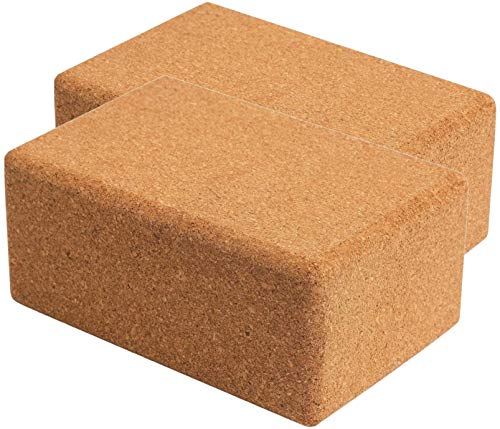
- Yoga blocks give students height in standing and seated poses, so they can practice without strain. View on Amazon
- Yoga straps extend reach in hamstring and shoulder work, which helps when a pose is out of range. View on Amazon
- A bolster supports restorative shapes and savasana, letting students stay still for longer. View on Amazon
Common mistakes
- Packing too many poses in. Fewer poses held with attention usually serve students better.
- Peaking too early, which leaves the middle of class with nowhere to go.
- Skipping preparation for the peak pose, which raises injury risk in balances and deep backbends.
- Cutting savasana short when time runs over.
- Never adjusting the plan after seeing how students actually move.
FAQ
How long should a yoga sequence for teachers take to plan?
Experienced teachers often plan a class in 20 to 30 minutes, while newer teachers may need an hour. Reusing a template for the arc speeds up the process considerably.
Should I follow the same sequence every week?
You can repeat a sequence to help students learn it, but change the peak pose or focus every few weeks so the body keeps adapting.
What if a student is injured or pregnant?
Offer modifications and suggest they consult their doctor or a qualified professional before practicing. Avoid deep twists or inversions for anyone who has been advised against them.
Conclusion
A strong yoga sequence for teachers starts with a clear goal, follows a simple arc from warm-up to rest, and offers options so every student can participate. Write your plan, time it generously, and adjust it after each class. Over time, your sequences will feel more natural, and your students will notice the difference.
Related reading
- Yoga Sequence for Knee Pain: A Gentle Step-by-Step Guide
- Yoga Sequence for Heart Opening: 6 Poses for a Safer Chest Stretch
- Yoga Sequence for Dancer Pose: A Step-by-Step Guide for Balance
Ready to choose one?
About Claire Whitaker
Claire Whitaker is part of our editorial team and reviews and edits our yoga guides, checking product details against manufacturer specifications and owner feedback.