By Claire Whitaker
Updated November 2026
Buying yoga blocks and straps online in India is simple once you know what to look for. This guide explains the features that matter most, such as material, density, size and buckle type, so you can pick a set that supports your practice rather than one that slips, crumbles or feels too stiff. The steps below work whether you practice at home in a small flat or in a larger room.
Step 1: Decide What You Need the Gear For
Start with your practice. Beginners working on hamstring flexibility or seated poses usually benefit most from a pair of firm blocks and a strap around 6 to 8 feet long. If you practice restorative yoga, you may prefer softer blocks or a bolster alongside them. Write down the two or three poses you practice most, since those will shape every decision that follows.
Shopping for one? See our guide: 5 Best Yoga Strap and Blocks Sets for Home Practice (2026).
Step 2: Compare Blocks by Material and Density
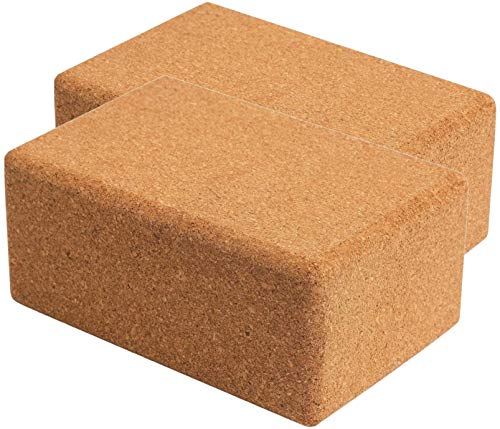
Most online listings in India show three common materials: cork, EVA foam and wood. Cork is firm, grippy and tends to last well with regular use. EVA foam is lighter and more forgiving, which suits beginners who want a softer landing under the hands. Wood is very stable but heavier and less comfortable on bare skin. Check whether the listing states the density or compression rating, and prefer blocks that hold their shape when you press on them.
Check the Size and Shape
Standard blocks are often listed around 9 by 6 by 4 inches, though sizes vary by brand. A 4-inch height is the most common choice because it covers most support needs. Some sellers offer a half-block or a set with two heights. Measure the space where you store your mat, since a bulky set can be inconvenient if you have limited room.
Step 3: Choose a Strap That Fits Your Body
Straps usually come in cotton, nylon or polyester. Cotton feels soft but can stretch over time, while nylon and polyester hold their length well. Look for a D-ring or cam buckle that clicks securely, and confirm the length. Many listings give the strap length in feet or metres, so convert to your own measurements if needed. A slightly longer strap is easier to use for beginners and for seated stretches.
Step 4: Read Reviews and Seller Details
Before you order, check the return policy and whether the seller states the material and dimensions clearly. Owners often report that thin or unlabelled blocks feel unstable, so read recent comments that mention durability. If a listing lacks a material, size or buckle description, choose another seller.
Practical Checklist
- Confirm the material (cork, EVA foam or wood) and its intended use.
- Check block dimensions, ideally around 9 by 6 by 4 inches.
- Choose a strap of about 6 to 8 feet with a secure buckle.
- Look for a stated return policy and clear seller information.
- Compare the set against the poses you practice most.
Common Mistakes to Avoid
- Buying the lightest blocks available, which can slide on a smooth mat.
- Choosing a strap that is too short for seated stretches.
- Ignoring the buckle, since a weak one can slip under tension.
- Assuming all blocks are the same size because the product name sounds identical.
- Skipping a check of the return policy before ordering.
Recommended Gear
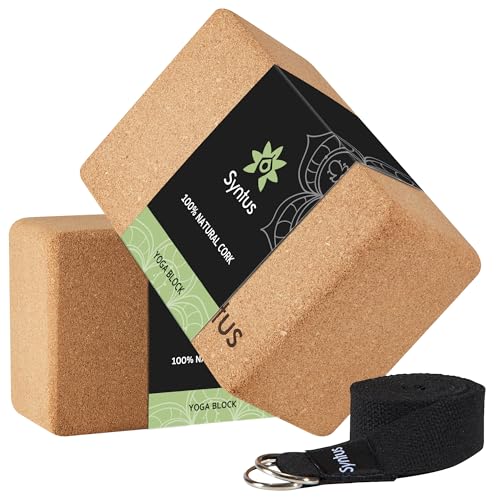
- Cork yoga block pair: Cork offers a firm, grippy surface that many practitioners find reliable for standing poses. View on Amazon
- Cotton yoga strap: A soft, flexible strap that is easy to adjust for seated and hamstring stretches. View on Amazon
For more options, see Where to Buy Yoga Blocks Online: A Guide to Choosing the Right Pair and Yoga Straps Explained.
FAQ
Are cork or foam blocks better for beginners?
Foam blocks are softer and often feel more forgiving under the hands. Cork is firmer and grippier, which many practitioners prefer once they are comfortable with basic alignment. If you want more background, see How Much Do Yoga Blocks Cost? A Practical Buyer's Guide (2026).
How long should a yoga strap be?
Most people find a strap of about 6 to 8 feet practical for seated and hamstring stretches. Check the stated length on the listing and choose slightly longer if you are a beginner.
Should I consult a professional before using blocks and straps?
If you have an injury, joint condition or ongoing pain, speak with a doctor or qualified physiotherapist before starting a new stretching routine. A certified yoga teacher can also show you safe placement.
Conclusion
Choosing yoga blocks and straps online in India comes down to material, size, strap length and buckle quality. Match those features to the poses you practice most. Check the seller’s details and return policy, and you will end up with support gear that lasts.
Related reading
Ready to choose one?
About Claire Whitaker
Claire Whitaker is part of our editorial team and reviews and edits our yoga guides, checking product details against manufacturer specifications and owner feedback.