By Claire Whitaker
Updated November 2026
Yoga blocks and straps Canada shoppers can find at most major retailers are simple tools, but the right pair depends on your height, your practice and how you plan to use them. This guide walks through the factors that matter, how to check a set before you buy, and how to use blocks and straps safely at home. By the end, you should be able to choose a set that supports your poses rather than fighting them.
Step 1: Decide What You Need Each Tool For
Blocks and straps do different jobs. Blocks raise the floor toward your hands or hips, which helps you keep a long spine in standing and seated poses. Straps extend your reach, so you can hold a stretch without rounding your back or forcing your joints. Think about whether most of your practice involves standing balance, seated forward folds, or restorative work, because that shapes how many blocks and how long a strap you need.
Shopping for one? See our guide: 5 Best Yoga Strap and Blocks Sets for Home Practice (2026).
Step 2: Compare Block Materials and Sizes
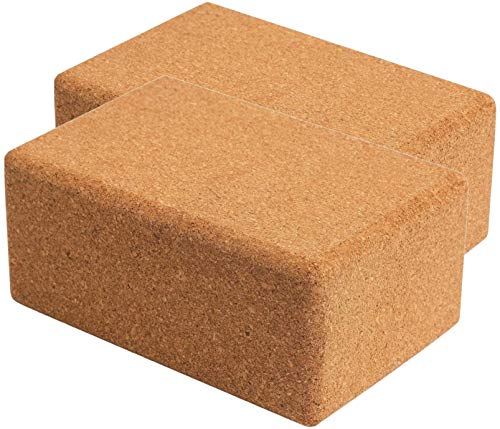
Most blocks sold in Canada are made from foam, cork or wood. Foam is lightweight and gentle on the floor, while cork and wood feel firmer and hold their shape under heavy weight. Standard blocks are typically about 9 by 6 by 4 inches, though many manufacturers also offer a lower “high” and a “low” option. Foam blocks are easier to carry on public transit, while wood blocks suit people who want a stable base for standing balances.
Check the density as well. A dense foam block should not compress noticeably when you press your palm into it. Cheap foam can crumble after months of use, so look at what the product description says about the material.
Step 3: Choose a Strap Length and Buckle Type
Most yoga straps are sold in lengths between about 6 and 8 feet. A longer strap gives you more room in seated and reclining poses, and it also works for people with larger frames. Buckles come as either a D-ring or a cinch style. D-rings are common and secure, while cinch buckles let you adjust loops more quickly. Look for a strap with a sturdy, non-stretch cotton or nylon webbing so it will not slip during a hold.
A Quick Checklist Before You Buy
- Block material: foam for lightness, cork or wood for stability.
- Block count: two is the usual minimum for home practice.
- Strap length: 6 to 8 feet covers most adults.
- Buckle type: D-ring or cinch, both secure when used correctly.
- Return policy: confirm what the retailer allows before you commit.
Step 4: Set Up Your Space and Start Using Them
Place your mat on a flat surface, and keep blocks within arm’s reach so you do not need to stand up mid-pose. Begin with one block under your hand in a standing forward fold, then try two blocks for a more supported position. For straps, loop the strap around the ball of your foot in a seated forward fold and hold the ends with relaxed arms. Stop as soon as you feel sharp pain or sudden pressure in a joint. Gentle, steady support is the goal, not a deeper stretch at any cost.
Common Mistakes
- Buying the cheapest foam without checking density, which can break down quickly.
- Choosing a strap that is too short, leading you to strain your shoulders.
- Placing blocks on a slippery surface without a mat under them.
- Using a strap that stretches under load instead of one with firm webbing.
- Forcing a pose past your comfortable range just because the blocks make it possible.
Recommended Gear
- Foam yoga block set: lightweight and easy to store, which suits small apartments and travel. View on Amazon
- Cotton yoga strap with D-ring buckle: firm webbing that holds steady in seated stretches. View on Amazon
FAQ
Are foam or cork blocks better for beginners?
Foam blocks are usually the easier starting point because they are light and forgiving on the floor. Cork blocks are firmer and suit people who want a more stable base once they know which height works for them.
How long should a yoga strap be?
Most adults do well with a strap between 6 and 8 feet. If you are taller or want room for reclining poses, choose the longer option.
Can I use blocks and straps if I have a back or joint condition?
Many people do, but it is wise to speak with a physiotherapist, doctor or qualified yoga therapist before starting a new routine. They can tell you which positions and heights are appropriate for your body.
Conclusion
Choosing yoga blocks and straps Canada retailers stock comes down to material, size, strap length and buckle type. Match those choices to the poses you practise most. Start with gentle support, listen to your body, and adjust as your practice grows.
Related reading
- Yoga Blocks and Straps Wholesale: How to Source Them for Studios (2026)
- Yoga Blocks and Straps Decathlon: A Buyer's Guide for Home Practice
- Yoga Blocks Made in Canada: How to Find and Choose Them
- 6 Best Gaiam Yoga Blocks and Strap Sets for Home Practice (2026)
- 5 Best Yoga Blocks and Strap Sets for Home Practice (2026)
- Yoga Postures with Blocks: 6 Step-by-Step Poses for Better Alignment
Ready to choose one?
About Claire Whitaker
Claire Whitaker is part of our editorial team and reviews and edits our yoga guides, checking product details against manufacturer specifications and owner feedback.