
 By Lauren Holland
Updated November 2026
Advanced yoga blocks for advanced poses need to do more than sit on the floor and look tidy. In arm balances, deep backbends, and standing balances, a block has to hold its shape under load, stay put on a slick mat, and give you a firm, predictable surface to press into. This list focuses on those demands. We compared the six blocks below on material density, surface grip, dimensions, stated load tolerance where the maker publishes it, and the patterns owners tend to mention most often, including slipping, compression over time and whether the size suits taller practitioners.
Our top picks at a glance
- 1
 TOP CHOICEBest overallGaiam Yoga BlockView on Amazon
- 2
 TOP CHOICEBest for wrist-sensitive practiceYoga-Grip Wrist Alignment Yoga BlocksView on Amazon
- 3
 TOP CHOICEBest for a natural, firm feelCork Yoga Blocks 2 PackView on Amazon
- 4
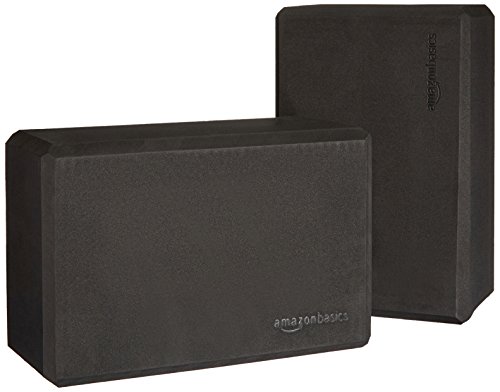 Best budget pickAmazon Basics Non-Slip Yoga BlocksView on Amazon
- 5
 Best for high-density stabilityHigh Density EVA Foam Yoga Block 2-PackView on Amazon
- 6
 Best for tall or heavy-handed usersYoga Blocks 2 Pack 9x6x3in Foam BricksView on Amazon
Our Top Picks
Quick Comparison
| Product | Best for | Key feature |
|---|---|---|
| Gaiam Yoga Block | Overall balance of support and comfort | Latex-free EVA foam with beveled edges |
| Yoga-Grip Wrist Alignment Yoga Blocks | Wrist-sensitive arm balances and push-ups | Angled wrist-alignment design |
| Cork Yoga Blocks 2 Pack | Firm, natural-feel support | Cork surface with non-slip grip |
| Amazon Basics Non-Slip Yoga Blocks | Budget-minded practitioners | Non-slip surface in a standard 4 x 9 x 6 inch size |
| High Density EVA Foam Yoga Block 2-Pack | Stable standing and balance poses | High-density EVA foam |
| Yoga Blocks 2 Pack 9x6x3in Foam Bricks | Taller users and larger-frame practice | 9 x 6 x 3 inch footprint |
Gaiam Yoga Block
Gaiam Yoga Block – Supportive Latex-Free Eva Foam – Soft Non-Slip Surface with Beveled Edges for Yoga, Pilates, Meditation – Yoga Accessories for Stability, Balance, Deepen Stretches
Best for: Overall balance of support and comfort
Practitioners who want one block that works across backbends, standing balances and seated work. Its softer-than-cork feel suits people who find very firm blocks uncomfortable under the hands or hips.
Key specs
- Latex-free EVA foam construction
- Beveled edges for easier gripping
- Non-slip surface for stability
Pros
- Comfortable under the hands and feet
- Beveled edges make it easier to grab mid-pose
- Works for both gentle and demanding practice
Cons
- Can compress more than dense cork under heavy weight
- Surface grip is less aggressive than some textured foam blocks
Bottom line: A strong default choice if you practice a mix of advanced poses and want one block that stays comfortable.
View on AmazonYoga-Grip Wrist Alignment Yoga Blocks
Yoga-Grip, Premium Quality Wrist Alignment Yoga Blocks to Eliminate Wrist Pain in All Poses – Great for Yoga, Pushups and Pilates. Set of 2 with Instruction Card
Best for: Wrist-sensitive arm balances and push-ups
Advanced students who load their wrists heavily in handstand prep, crow and planks, and who want a block shaped to keep the wrist in a more neutral line.
Key specs
- Wrist-alignment angled design
- Sold as a set of two with an instruction card
Pros
- Designed around wrist alignment rather than generic height
- Useful for pushups and Pilates as well as yoga
- Includes guidance for setup
Cons
- Shape is specialized and may not suit every pose
- Less versatile as a general-purpose sitting or seated-support block
Bottom line: Best if wrist comfort is your main limit in advanced work and you want a purpose-built design.
View on AmazonCork Yoga Blocks 2 Pack
Cork Yoga Blocks 2 Pack,Support for Yoga, Pilates, Stretching | Natural cork yoga blocks with high-density support and non-slip grip for stable poses, stretching, yoga and Pilates practice
Best for: Firm, natural-feel support
Practitioners who prefer a dense, firm surface for deep binds and standing work, and who like a natural material over synthetic foam.
Key specs
- Natural cork material
- Two-pack set
- Non-slip grip for stable poses
Pros
- Firm, stable surface for load-bearing poses
- Natural material many users prefer
- Good grip on mats in standing and balance work
Cons
- Firmer than foam, which some find harder on the hands
- Can show surface wear over time with heavy use
Bottom line: A good match for experienced students who want firm, stable support and a natural material.
View on AmazonAmazon Basics Non-Slip Yoga Blocks
Amazon Basics Non-Slip Yoga Blocks, Set of 2, Deepen Poses, 4" x 9" x 6", Black
Best for: Budget-minded practitioners
Students who want a dependable, standard-size pair for deepening poses without paying for premium materials. A reasonable starting point for advanced practice on a tighter budget.
Key specs
- Dimensions: 4 x 9 x 6 inches
- Non-slip surface
- Sold as a set of two, black
Pros
- Standard, widely used block dimensions
- Non-slip surface suits most mats
- Budget-friendly set of two
Cons
- Basic finish compared with premium options
- May feel less substantial under heavy load in deep arm balances
Bottom line: A sensible pick if you want a standard pair that handles most advanced poses without a large outlay.
View on AmazonHigh Density EVA Foam Yoga Block 2-Pack
Yoga Block, High Density EVA Foam Blocks for Yoga, Pilates, Meditation, Aid Balance, Support and Deepen Poses – Non-Slip Lightweight Durable(2-Pack-Grey)
Best for: Stable standing and balance poses
Practitioners who spend a lot of time in standing balances, Pilates-style work and support-based stretches where a firm, non-compressing surface matters.
Key specs
- High-density EVA foam
- Non-slip surface
- Two-pack set, grey
Pros
- High density resists compression better than softer foam
- Lightweight for easy transport
- Versatile across yoga and Pilates
Cons
- Firmer feel may be less comfortable for long holds on hands
- Edges are less refined than beveled designs
Bottom line: Good for students who prioritize firmness and stability in balance-heavy routines.
View on AmazonYoga Blocks 2 Pack 9x6x3in Foam Bricks
Yoga Blocks 2 Pack, 9x6x3in Pilates Block, Non-Slip Foam Brick for Exercise | EVA Foam Yoga Bricks, Exercise Blocks for Working Out, Non-Slip Pilates Stretching Props, Home Gym Studio Accessories
Best for: Taller users and larger-frame practice
Taller practitioners or those with larger frames who find standard 4-inch-tall blocks too low for certain standing and seated-support variations. The 3-inch height is a lower profile, so check your reach before buying.
Key specs
- Dimensions: 9 x 6 x 3 inches
- EVA foam construction
- Non-slip surface, sold as 2-pack
Pros
- Larger footprint offers more contact area
- Lightweight and easy to move
- Non-slip surface for stable setups
Cons
- Lower 3-inch height may not suit every pose setup
- Foam density is less specified than premium dense options
Bottom line: A practical choice for taller or heavier-framed practitioners who want a wider base.
View on AmazonBuying Guide
Density and Material
Denser blocks hold their height under weight, which matters most in arm balances and deep backbends. Cork and high-density EVA feel firmer and resist compression. Softer foam is more comfortable under the hands but can flatten over time with heavy loading. Check the material description before buying and match it to how much weight you put through the block.
Good picks for this: Cork Yoga Blocks 2 Pack, High Density EVA Foam Yoga Block 2-Pack
Surface Grip
Advanced poses often place your hands or feet on a block that can slide. Look for a non-slip surface, and consider how it performs on your specific mat. Textured or grippy surfaces help in balances and inversions where a slipping block can cause a fall. Test grip on your mat during a slow setup before attempting a demanding pose.
Good picks for this: Amazon Basics Non-Slip Yoga Blocks, Gaiam Yoga Block
Size and Height
Standard blocks are often around 4 x 9 x 6 inches, but heights vary. Taller practitioners may need more height for seated and supported standing work, while a lower block can be more stable for balances. Measure your reach in your key poses and consider a set that gives you two heights if your practice varies.
Good picks for this: Yoga Blocks 2 Pack 9x6x3in Foam Bricks, Amazon Basics Non-Slip Yoga Blocks
Edge Design
Beveled or rounded edges make a block easier to grip and reposition mid-pose. Sharp square edges can dig into the skin of hands and shins. If you use blocks frequently for hand support, rounded or beveled edges add comfort over long sessions.
Good picks for this: Gaiam Yoga Block
Wrist and Joint Alignment
If your wrists limit advanced work, an alignment-focused design can change how load is distributed. Wrist-specific blocks angle the surface to keep the wrist in a more neutral position during planks and arm balances. Consult a qualified instructor or physical therapist if you have recurring wrist or joint pain before loading these positions.
Good picks for this: Yoga-Grip Wrist Alignment Yoga Blocks
Durability and Care
Foam blocks can compress or develop surface wear with frequent use, while cork is more resistant to flattening but can show scuffs. Wipe blocks with a damp cloth, keep them out of direct sun, and avoid heavy soaking. Replace blocks that feel noticeably softer or shaped unevenly, since a compressed block becomes less reliable for support.
Good picks for this: Cork Yoga Blocks 2 Pack, High Density EVA Foam Yoga Block 2-Pack
Use Case and Pose Type
Think about the poses you practice most. For backbends and deep stretches, a block that holds height and gives a firm surface works best. For standing balances and Pilates-style work, a stable, grippy foam block often suits better. Choosing for your main pose type matters more than chasing any single feature.
Good picks for this: High Density EVA Foam Yoga Block 2-Pack, Gaiam Yoga Block
FAQ
Are foam or cork yoga blocks better for advanced poses?
Neither is universally better. Cork is firmer and more resistant to compression, which many advanced practitioners prefer for load-bearing poses. High-density foam is lighter and often cheaper, and it still gives good stability. Choose based on the firmness you want and how you handle load.
How tall should a yoga block be for advanced practice?
Many practitioners use a standard 4-inch height, but this depends on your reach, flexibility and the pose. Taller students sometimes need extra height for seated and supported work, while lower blocks can be more stable in balances. Try a few heights in your key poses if you can.
Do yoga blocks slip during arm balances?
They can, especially on slick mats or with sweaty hands. Look for a non-slip surface and test the block on your mat before a demanding pose. Setting the block firmly and keeping hands dry helps reduce slipping.
Can I use two blocks together for advanced poses?
Yes. Using two blocks is common for stacking height or creating a wider base. Keep them aligned and evenly placed so the stack does not shift. Sets of two are useful for this reason.
How do I know when to replace my yoga blocks?
Replace a block when it feels noticeably softer, has visible cracks or deep compression marks, or no longer sits flat. A compressed block loses the predictable support advanced poses depend on.
Are wrist-alignment blocks necessary for advanced practice?
They are not necessary for everyone, but they can help students whose wrists feel strained in planks, pushups and arm balances. If you have ongoing wrist pain, consult a qualified instructor or physical therapist before continuing those loads.
Should I practice advanced poses without an instructor?
Advanced poses carry a higher risk of injury, especially inversions and deep backbends. Many students benefit from in-person guidance to check alignment. Consult a qualified yoga teacher or healthcare professional if you have injuries, joint problems or medical conditions.
Conclusion
For most advanced practitioners, the Gaiam Yoga Block offers a balanced mix of comfort and support across varied poses. If wrist comfort limits your arm balances, the Yoga-Grip Wrist Alignment blocks address that directly. Cork suits those who want firm, natural support, while the high-density foam option favors stable balance work. The Amazon Basics pair is a sensible budget route, and the taller-footprint 9 x 6 x 3 inch bricks fit larger frames. Match the block to your main poses, your wrist and joint needs, and how much firmness you prefer.
Sources
- Consumer safety guidance on product hazards and recalls relevant to exercise equipment (cpsc.gov)
- Background research on wrist and joint loading during weight-bearing exercise (nih.gov)
- Evidence-based guidance on exercise setup, support equipment and safe progression (acefitness.org)
Related reading
- Chest Opener with Yoga Blocks: 6 Step-by-Step Poses for Better Posture
- Yoga Mat and Blocks Set: How to Choose and Use One for Home Practice
- Yoga Blocks and Mat: Do You Need Both? Setup Tips and Picks
About Lauren Holland
Lauren Holland is part of our editorial team and reviews and edits our yoga guides, checking product details against manufacturer specifications and owner feedback.
