By Claire Whitaker
Updated November 2026
Hot yoga is usually practiced in a heated room between about 95°F and 105°F (35°C to 41°C), with many studios aiming for the low 100s and humidity set somewhere in the 40 to 60 percent range. If you are asking what temp is hot yoga before your first class, this guide explains the typical range, why studios differ and how to adjust your practice so you stay comfortable and safe.
What Temperature Do Most Hot Yoga Studios Use?
Most studios that teach Bikram-style or hot vinyasa classes set the thermostat between 95°F and 105°F. Bikram-style rooms are often held closer to 105°F with humidity near 40 percent, while vinyasa-based hot classes may run a few degrees cooler. Some studios publish their target range on their website or at the front desk, so it is worth checking before you book.
Shopping for one? See our guide: Ritual Hot Yoga Lakeview Review: What You Should Know.
Temperature alone does not tell the whole story. Humidity changes how hot the room feels, and a room at 95°F with high humidity can feel more intense than a drier room at 102°F.
Why the Temperature Varies Between Studios
Several factors shift the number on the thermostat:
- Style of class: Traditional Bikram sequences are taught in rooms kept near the top of the range, while flow-based hot classes often sit lower.
- Room size and ventilation: A small room fills with heat faster, so the target may be lower to avoid overheating.
- Number of students: A full room adds body heat, so some studios adjust the setting as the class fills.
- Local climate: Studios in humid regions often run cooler to offset moisture in the air.
How to Prepare for the Heat
Knowing the typical range helps you plan. Use these steps before your first session:
- Check the studio’s listed temperature and humidity, or ask at the front desk.
- Hydrate starting about two hours before class, drinking water steadily rather than all at once.
- Eat a light meal one to two hours before practice, avoiding heavy or very salty food.
- Arrive a few minutes early so your body can start adjusting to the room.
- Bring a towel for your mat and a water bottle you can reach from your spot.
Adjusting Your Practice to the Temperature
Heat changes how your body responds to poses. Muscles feel looser, so it is easy to push deeper than you should. Breathe steadily, rest in child’s pose whenever you need to, and skip any posture that makes you dizzy or short of breath. Most people find that their tolerance improves over four to six weeks of regular practice, though this varies widely.
If you have heart conditions, blood pressure concerns, are pregnant, or take medications that affect fluid balance or temperature regulation, check with your doctor before attending a hot class. Stop immediately if you feel faint, nauseated or unwell.
Signs You Need to Slow Down
Dizziness, pounding headache, cramping, chills despite the heat, or a racing heartbeat that does not settle are signals to leave the room, sit down and drink water. Tell the instructor and staff if symptoms persist.
Common Mistakes
- Drinking a large amount of water right before class, which can feel heavy and uncomfortable.
- Skipping food entirely, leaving you low on energy during standing poses.
- Overstretching because the room feels forgiving.
- Ignoring the room’s humidity level and assuming the thermostat number tells the full story.
- Staying in a session despite warning signs out of a wish to finish the class.
Recommended Gear for Hot Yoga
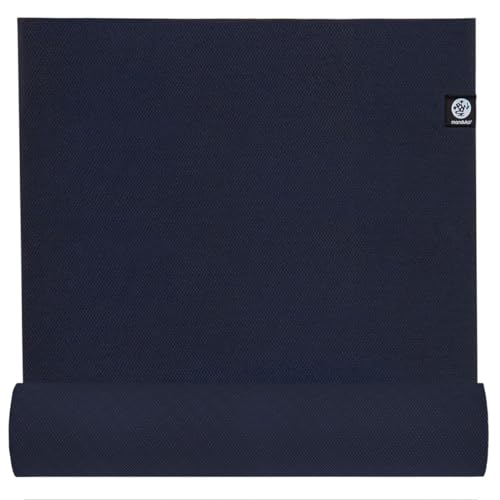
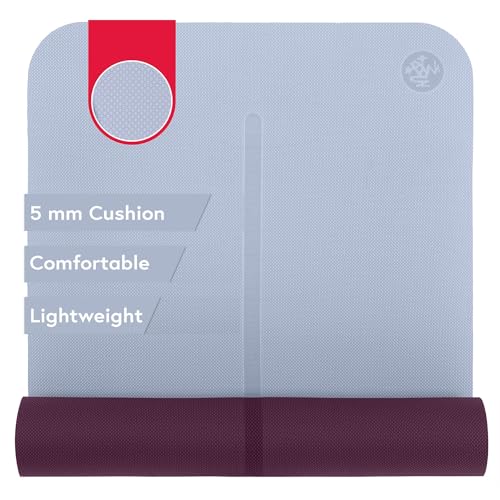
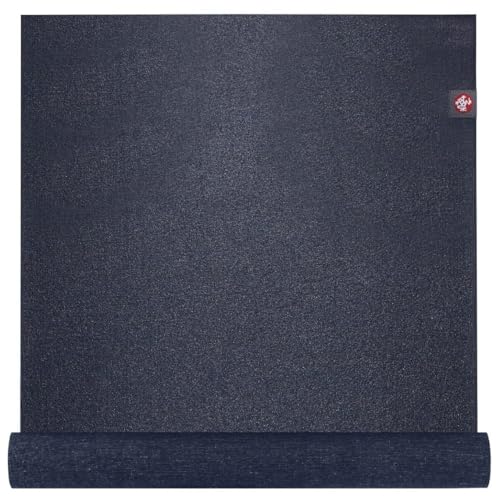
A grippy mat keeps your hands and feet from slipping when you sweat, so look for a non-slip hot yoga mat such as the Manduka PRO line. View on Amazon
A quick-drying microfiber towel laid over your mat adds traction and absorbs sweat, which many students find more useful than a standard bath towel. View on Amazon
A insulated stainless steel water bottle keeps water cool for the entire class, making steady hydration easier. View on Amazon
FAQ
What is the temp for hot yoga in most studios?
Most hot yoga studios keep rooms between 95°F and 105°F, with Bikram-style classes often closer to the upper end. Always check the specific studio’s listed range before your first visit.
Is 105 degrees too hot for beginners?
It can feel intense at first, but many beginners adapt within a few weeks. Start with a lower-temperature class if one is available, and leave the room whenever you feel unwell.
Should I eat before hot yoga?
A light meal one to two hours beforehand usually works well for most people. Avoid heavy, greasy or very salty food, and consult a healthcare professional if you have a medical condition that affects your diet or blood pressure.
Conclusion
Hot yoga typically takes place between 95°F and 105°F, and the exact setting depends on the style of class, room size and humidity. Check your studio’s listed range, prepare with water and a light meal, and let your body set the pace. With steady practice, the heat becomes easier to manage.
Related reading
- What to Wear at Hot Yoga: 6 Fabric, Fit and Layering Rules (2026)
- What Clothes to Wear for Hot Yoga: 6 Rules for Sweaty Sessions
- Tangerine Hot Power Yoga: What It Is and Who It Suits
- Some Like.it Hot Yoga: What It Is and How to Decide If It Suits You
Ready to choose one?
About Claire Whitaker
Claire Whitaker is part of our editorial team and reviews and edits our yoga guides, checking product details against manufacturer specifications and owner feedback.