
 By Claire Whitaker
Updated November 2026
Shoppers searching for a five below yoga mat usually want two things at once: a mat that grips well enough for real practice and a price that does not make them hesitate. This guide narrows the field to three mats that fit that brief, using a few clear criteria: thickness for joint comfort, surface grip for poses that involve sliding, tolerance for sweat, portability and how well each product matches a common home-practice need. Everything here is based on manufacturer specifications, brand reputation and patterns that owners commonly describe in reviews. None of these picks were tested in a lab or by the author.
Our top picks at a glance
- 1
 TOP CHOICEBest overallGaiam Essentials Yoga Mat, 6mm Non-Slip with Carrying Sling (Navy)View on Amazon
- 2
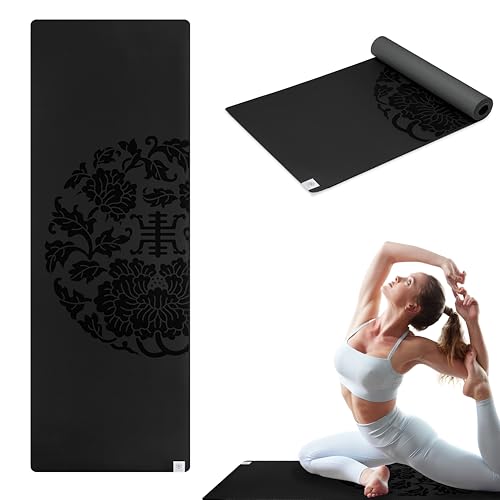 Best for hot yogaGaiam Dry-Grip Yoga Mat, Non-Slip, Hot Yoga, 5mm (Black)View on Amazon
- 3
 Best for extra cushioningREADAEER Foldable Fitness Yoga Mat, 10mm Extra Thick, 75×26"View on Amazon
Our Top Picks
Quick Comparison
| Product | Best for | Key feature |
|---|---|---|
| Gaiam Essentials Yoga Mat, 6mm Non-Slip with Carrying Sling | General home practice | Textured non-slip surface and carrying sling |
| Gaiam Dry-Grip Yoga Mat, Non-Slip, Hot Yoga, 5mm | Hot yoga and sweaty sessions | Sweat-resistant dry-grip surface |
| READAEER Foldable Fitness Yoga Mat | Joint cushioning and floor work | 10mm thickness with a foldable design |
Gaiam Essentials Yoga Mat, 6mm Non-Slip with Carrying Sling (Navy)
Gaiam Essentials Yoga Mat, 6mm Non-Slip with Carrying Sling (Navy) | Textured non-slip surface for grip & traction. Lightweight 6mm cushioning for yoga, Pilates & floor workouts.
Best for: General home practice on a budget
This is the most balanced option of the three and a sensible starting point for someone who practices a few times a week on hard floors or low-pile carpet. It suits beginners who want enough cushioning for kneeling and seated poses without the bulk of a thick mat.
Key specs
- Thickness: 6mm
- Textured non-slip surface
- Includes a carrying sling
- Navy colorway
Pros
- Textured surface gives reliable traction in standing and balance poses
- 6mm cushioning is a practical middle ground for most floors
- Carrying sling makes it easy to take to a class or outdoors
Cons
- Not designed for heavy sweating, so grip can decline in hot rooms
- Thinner than a dedicated cushioned mat for people with sensitive knees or wrists
Bottom line: A good first mat for home yoga, Pilates or floor stretching when you want a reliable grip without paying for extras you may not use.
View on AmazonGaiam Dry-Grip Yoga Mat, Non-Slip, Hot Yoga, 5mm (Black)
Gaiam Dry-Grip Yoga Mat, Non-Slip, Hot Yoga, 5mm (Black) | Sweat-resistant dry-grip surface stays non-slip even in hot yoga.
Best for: Hot yoga and sweaty sessions
This mat is aimed at practitioners who sweat heavily, whether in heated studios or at home with a fan or space heater. It is a better fit than a standard mat if slipping in downward dog or warrior poses is a recurring problem.
Key specs
- Thickness: 5mm
- Sweat-resistant dry-grip surface
- Black colorway
Pros
- Dry-grip surface is designed to stay non-slip when hands and feet are damp
- Thin profile gives strong ground feel for balance work
- Suitable for both hot yoga and ordinary studio classes
Cons
- At 5mm, there is less cushioning for knees and wrists
- Owners who want a longer or wider mat may need to look elsewhere
Bottom line: The right choice for anyone whose practice regularly involves sweat, and who values grip over extra padding.
View on AmazonREADAEER Foldable Fitness Yoga Mat, 10mm Extra Thick, 75×26″
READAEER Foldable Fitness Yoga Mat | 10mm Extra Thick | Non-Slip TPE | 75×26" Extra Long-Wide | Portable & Easy Store | for Yoga, Pilates, Home Gym & Full-Body Workouts
Best for: Joint cushioning and floor work
This mat is built for people who put their knees, hips or wrists on the floor frequently, or who use the same mat for yoga, Pilates and general floor workouts. The extra length and width suit taller users and those who want room for stretching across the mat.
Key specs
- Thickness: 10mm
- Dimensions: 75 x 26 inches
- Non-slip TPE surface
- Foldable for storage
Pros
- 10mm thickness provides noticeably more cushioning than most budget mats
- Extra-long and wide dimensions give room for full-body work
- Foldable design makes it easier to store in a small apartment
Cons
- Thicker mats can feel less stable in standing balance poses
- Larger footprint and weight make it less convenient to carry to classes
Bottom line: Best for home users who prioritize joint comfort and a generous working area over portability.
View on AmazonBuying Guide
Thickness and joint comfort
Thickness is the first factor most people notice. Thinner mats, roughly 3mm to 5mm, give a firmer feel and better ground contact for balance poses. Mats around 6mm offer a common compromise for general practice. Mats at 8mm to 10mm or more provide more padding for knees, wrists and hips, though they can feel less stable when standing. If you mainly kneel on hard floors, lean toward the thicker end; if you mostly stand and balance, a thinner mat may suit you better. For guidance on matching thickness to your practice, see Yoga Mat Thickness Guide.
Good picks for this: READAEER Foldable Fitness Yoga Mat, Gaiam Essentials Yoga Mat
Surface grip and texture
Grip determines whether your hands and feet stay put in downward dog, plank and standing poses. Look for descriptions such as textured, non-slip or dry-grip. Be aware that grip can change with sweat, dust and body oils, so cleaning your mat regularly matters as much as the surface itself.
Good picks for this: Gaiam Dry-Grip Yoga Mat, Gaiam Essentials Yoga Mat
Size and fit
Standard mats are often about 68 inches long and 24 inches wide. Taller practitioners may want something closer to 72 inches or longer so that their head and heels do not hang off during savasana or lunges. The READAEER mat’s 75 x 26 inch dimensions are an example of an extended size. Check the listed dimensions against your height before buying. The guide to Regular Yoga Mat Size: How to Choose the Right Length, Width and Thickness covers this in more detail.
Good picks for this: READAEER Foldable Fitness Yoga Mat
Use case and practice style
Think about where and how you practice. Hot or sweaty sessions call for a mat with a sweat-resistant surface. Pilates, floor stretching and bodyweight workouts often benefit from extra cushioning. A general vinyasa or hatha practice on carpet or hardwood works well with a mid-range mat. The article on Yoga Mats for Beginners explains which features matter most for different starting points.
Good picks for this: Gaiam Dry-Grip Yoga Mat, Gaiam Essentials Yoga Mat
Portability and storage
If you carry your mat to class, weight and rolled length matter. Mats with a carrying sling are easier to transport, and foldable designs reduce storage space. Thicker and longer mats are heavier, so weigh the cushioning benefit against the inconvenience of carrying them. For bag options, see Best Yoga Mat Bags.
Good picks for this: Gaiam Essentials Yoga Mat, READAEER Foldable Fitness Yoga Mat
Durability and materials
Mats are commonly made from PVC, TPE or natural rubber. TPE is often described as lighter and free of PVC, while PVC tends to be dense and long-lasting. Owners frequently report that thin mats wear faster on high-friction spots like the hands and feet. Keeping the mat away from direct sunlight and heat extends its life.
Good picks for this: READAEER Foldable Fitness Yoga Mat, Gaiam Dry-Grip Yoga Mat
Care and cleaning
Wipe your mat after each session with a damp cloth and a mild, non-abrasive cleaner, then let it air dry fully before rolling it. Avoid harsh solvents, which can degrade the surface. Regular cleaning keeps grip consistent, particularly on dry-grip and textured surfaces. Check the manufacturer’s care instructions for each product.
Good picks for this: Gaiam Dry-Grip Yoga Mat, Gaiam Essentials Yoga Mat
FAQ
Is a five below yoga mat good enough for regular practice?
Budget mats can be perfectly adequate for regular home practice, especially when they have a textured or non-slip surface and at least 5mm to 6mm of cushioning. Check the thickness, grip description and dimensions before buying, since these determine comfort more than brand name.
What thickness should I choose for joint comfort?
Many people find 6mm comfortable for general practice, while 8mm to 10mm offers more padding for knees and wrists. Thicker mats can reduce stability in standing poses, so consider how much of your practice is on the floor versus balanced on your feet.
Which yoga mat is best for hot yoga?
Look for a dry-grip or sweat-resistant surface. The Gaiam Dry-Grip Yoga Mat is described by its manufacturer as designed for hot yoga, which makes it a more suitable choice for heated classes than a standard textured mat.
How do I clean a yoga mat without damaging it?
Use a damp cloth with a mild soap or a cleaner recommended by the manufacturer. Avoid abrasive pads, bleach and strong solvents. Let the mat air dry completely before rolling it to prevent mildew.
Do I need a mat bag or sling?
Not always, but a sling or bag helps if you travel to classes or carry your mat outdoors. Mats with built-in slings, such as the Gaiam Essentials, reduce the need for a separate bag. For more options, see Best Yoga Mat Bags.
Should I pair a mat with yoga blocks?
Blocks can help with alignment and support in poses where flexibility is limited. If you practice this way, the guide to Yoga Mat and Blocks Set: How to Choose and Use One for Home Practice explains how to set them up together.
Is a thick mat always better for beginners?
Not necessarily. Beginners often benefit from enough cushioning to feel comfortable on the knees and wrists, but very thick mats can make balance poses harder to learn. A mid-range 6mm mat is a common starting point. Those with joint pain or injuries should consult a physical therapist or doctor before changing their routine.
Conclusion
For most people looking for a five below yoga mat style of product, the Gaiam Essentials Yoga Mat is a balanced everyday choice with a non-slip surface and a carrying sling. If sweat is a constant issue, the Gaiam Dry-Grip Yoga Mat is designed for that use case. If you want more cushioning and extra room for floor work, the READAEER Foldable Fitness Yoga Mat offers the most padding and length of the three. Match your choice to where and how you practice, and check the listed specifications before you buy.
Sources
- Consumer product safety guidance on general product care and use (cpsc.gov)
- Research and health information on exercise, joint comfort and musculoskeletal care (nih.gov)
- Professional guidance on exercise equipment and safe floor-based training (acefitness.org)
About Claire Whitaker
Claire Whitaker is part of our editorial team and reviews and edits our yoga guides, checking product details against manufacturer specifications and owner feedback.


