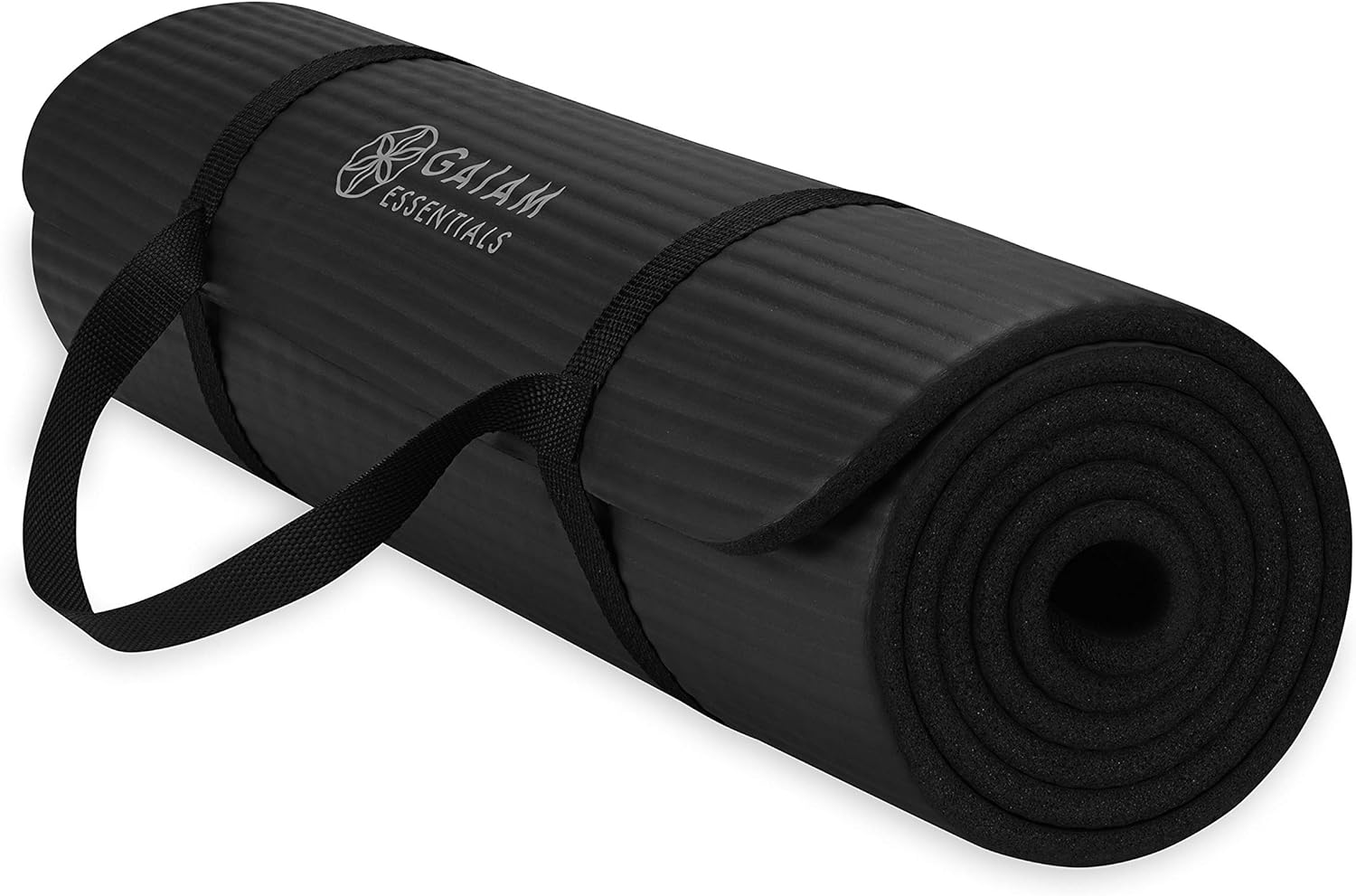
By Claire Whitaker
Updated November 2026
The best hot yoga gear keeps you grounded, dry and comfortable when the room is heated to somewhere around 90 to 105 degrees Fahrenheit. In this guide, you will learn which items actually matter in a heated class, how to judge each one by its material and fit, and how to build a small kit that works for your practice. By the end, you should be able to pick a mat, towel, clothing set and hydration setup with confidence instead of guessing.
Why Hot Yoga Needs Different Gear
Heat and sweat change the rules. A mat that grips well in a cool studio can turn slick once it is soaked, and a cotton shirt that feels fine at room temperature can hold moisture until it is heavy and clingy. Hot yoga gear is less about luxury and more about how each item behaves when you are sweating for 60 to 90 minutes. Focus on grip, moisture handling and heat tolerance before anything else.
Shopping for one? See our guide: Hot Yoga Auburn Auburn MA: 8 Best Mats and Gear for Heated Classes (2026).
How to Choose Your Hot Yoga Gear: The Core Factors
Before you shop, it helps to know what you are evaluating. Most hot yoga equipment comes down to four properties: traction when wet, moisture management, breathability and durability under repeated washing. Use these as your filter, then narrow by personal preference such as thickness, color or weight.
Traction and Surface Texture
Look for mats that are described as sticky, grippy or textured, and check whether the manufacturer addresses wet performance. Natural rubber tends to grip well when damp, while some PVC and TPE mats can become slippery once sweat builds up. A thin, rough-textured surface often grips better than a smooth glossy one. Many practitioners pair a mat with a towel for extra security, which is covered below.
Thickness and Cushioning
Standard hot yoga mats are often in the 3 mm to 5 mm range. Thinner mats give you more ground feel and stability in balancing poses, while thicker mats offer more cushion for knees and wrists. If you practice on hard studio floors or have sensitive joints, a slightly thicker mat may suit you better. If balance is your priority, consider the thinner end of that range.
Fabric and Moisture Handling
For clothing, synthetic blends and performance fabrics such as polyester and nylon blends are commonly marketed for moisture wicking. Cotton absorbs sweat but holds it, which can feel heavy and cool down unevenly during class. Check that the garment is labeled as moisture wicking or quick drying, and choose a fit that stays put in inversions and twists.
Step-by-Step: Building Your Hot Yoga Kit
You do not need everything at once. Build your kit in this order, starting with the items that affect safety and grip the most.
- Start with a grippy mat. Confirm the material is suited to wet conditions and that the thickness matches your joints and balance needs.
- Add a mat towel. A towel that fits your mat and has silicone or grip dots will keep your hands and feet from slipping as you sweat.
- Choose moisture-wicking clothing. Pick two or three sets so you can rotate between washes.
- Pack a water bottle. Hydration matters more in heat than almost anything else on this list.
- Add a hand towel or sweat towel. Keep one for your face and neck and another for wiping your hands between poses.
- Bring a small bag for wet gear. A ventilated bag or a plastic-lined pouch keeps damp items separate from dry ones.
Hot Yoga Gear Checklist
- Grippy mat rated for sweaty use
- Mat towel with grip dots or silicone backing
- Two to three moisture-wicking outfits
- Insulated or easy-clean water bottle
- Hand towel and face towel
- Ventilated bag for wet clothes
- Optional: blocks and a strap for support in tight or wet-hand conditions
Comparing Common Options
The table below summarizes the main gear categories and what to prioritize in each. Use it as a quick reference when comparing listings.
| Item | What to Prioritize | Why It Matters in Heat |
|---|---|---|
| Mat | Wet grip, texture, thickness | Sweat reduces traction and can cause slips |
| Mat towel | Grip dots, fit to mat length | Adds traction and absorbs sweat from the mat |
| Clothing | Moisture wicking, fit, quick drying | Keeps you comfortable and reduces heavy, damp feel |
| Water bottle | Capacity, easy opening, leak resistance | Helps you rehydrate between or after classes |
| Hand towel | Absorbency, size | Keeps hands dry for grip during standing poses |
| Blocks and strap | Stable material, secure buckle | Offers support when you need to modify poses safely |
Common Mistakes to Avoid
- Buying cotton-only clothing. It absorbs sweat and can feel heavy as the class goes on.
- Skipping a towel. Even a grippy mat can get slick once it is soaked.
- Letting a mat stay damp. Wipe it down and air it out after class to prevent odor and breakdown.
- Using harsh cleaners. Many mat manufacturers recommend mild soap and water. Check the care label before using sprays.
- Overbuying before trying a class. Some studios provide mats or towels, so test your preferences first.
Tips for Making Your Gear Last
Hang your mat to dry after each session rather than rolling it up damp. Rinse your towel after class, and wash clothing in cool water to preserve fabric elasticity. Rotate your outfits so that no single set takes all the wear. If you notice your mat losing grip, check whether residue from oils or cleaners is the cause before replacing it.
Recommended gear
These items are widely used in heated classes and address the main needs covered above. Compare the listed specifications on each product page before buying.
- Manduka PRO Yoga Mat: A dense, durable mat often recommended for demanding practices where grip and longevity matter. View on Amazon
- Yoga Towel with Grip Dots (mat-length towel): A mat towel designed to lie over the mat and add traction when sweat builds up. View on Amazon
- Lululemon Align Pant or similar moisture-wicking leggings: Stretch fabrics with quick-drying performance suited to heated classes. View on Amazon
- Hydro Flask Standard Mouth Water Bottle: An insulated bottle that keeps water cool through a long session. View on Amazon
FAQ
Do I really need a special mat for hot yoga?
Not necessarily, but a mat that grips well when wet makes a noticeable difference. Check whether the manufacturer describes its performance in damp conditions, and consider using a mat towel for added traction.
What fabric is best for hot yoga clothing?
Synthetic performance fabrics, such as polyester or nylon blends, are commonly marketed for moisture wicking and quick drying. Many practitioners find these more comfortable than cotton during sweaty classes.
Should I use a mat towel or just a hand towel?
A mat towel covers the mat and adds grip where your hands and feet land. A hand towel is useful for wiping sweat from your face and hands. Many people use both.
How often should I wash my hot yoga gear?
Wash clothing after every class to prevent odor and bacteria buildup. Clean your mat and towel regularly according to the manufacturer’s directions, often after each session or at least weekly if you practice often.
How much water should I drink during hot yoga?
Needs vary with body size, climate and sweat rate, so there is no universal number. Drink water before, during and after class, and watch for signs of dehydration such as dizziness or dark urine. If you have a medical condition or take medication that affects fluid balance, consult a doctor before starting hot yoga.
Can I practice hot yoga at home with regular gear?
Yes, but home heating is harder to control. Use a grippy mat, a towel and breathable clothing, and make sure your space is safe and well ventilated. Compare options in our guides on practicing at home.
Are blocks and straps necessary for hot yoga?
They are not required, but they can help you stay stable and modify poses when your hands or body are slippery with sweat. Choose blocks and straps made from materials that resist damp conditions.
When should I see a professional about hot yoga?
If you have heart conditions, high or low blood pressure, pregnancy, or a history of heat illness, speak with a healthcare provider before attending heated classes. Stop immediately if you feel faint, nauseous or unwell.
Conclusion
The best hot yoga gear is built around grip, moisture management and durability. Start with a mat and towel that stay secure when wet, add breathable clothing and a reliable water bottle, and adjust from there based on your joints, balance and budget preferences. Revisit your kit as your practice changes, and keep your equipment clean to get the most from it. For more ideas tailored to your situation, explore related reading on this site.
Related reading
- Top 3 Hot Yoga Houston TX Picks: Houston Shirts and Gear Compared
- Radiant Hot Yoga Newport: 8 Best Picks for Hot Yoga Mats and Gear (2026)
- Hot Yoga in NYC: 7 Best Books and Gear for Your Practice (2026)
- Hot Yoga St Louis: 3 Best Picks for Hot Yoga Gear (2026)
- Hot Yoga Close to Me: 5 Best Books and Gear Picks for Every Practice
- 7 Best Hot Yoga Renton WA Studios and Gear Picks for 2026
Ready to choose one?
About Claire Whitaker
Claire Whitaker is part of our editorial team and reviews and edits our yoga guides, checking product details against manufacturer specifications and owner feedback.