By Claire Whitaker
Updated November 2026
A yoga bag that holds mat and blocks keeps your gear together and makes it easy to carry to class, the park or the living room. To choose one that works, measure your mat and blocks, check the bag’s dimensions, and look at how the straps and pockets are built. This guide walks through each step so you can match a bag to the gear you already own.
Step 1: Measure Your Mat and Blocks
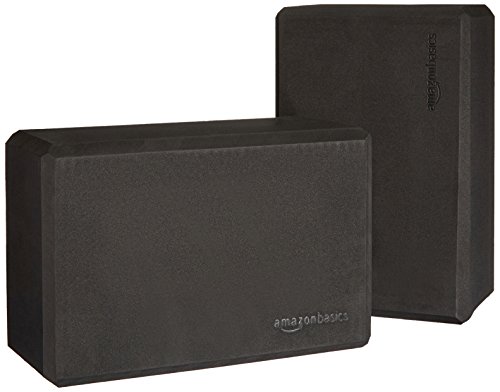
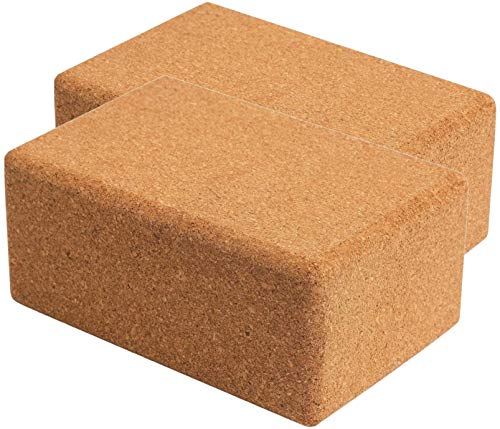
Start with the mat. Most standard mats are about 68 inches long and 24 inches wide, but thicker or extra-long mats can run to 72 inches or more. Rolled up, a mat is usually 4 to 6 inches in diameter, so the bag needs a tube or sleeve at least that wide. Blocks are typically 9 by 6 by 4 inches, though foam and cork versions vary slightly. Add up the rolled mat diameter and the stacked block dimensions, then leave a little extra room so the zipper doesn’t strain.
Shopping for one? See our guide: 4 Best Bags for Yoga Mat and Blocks Compared (2026).
Step 2: Check the Bag’s Dimensions and Layout
Manufacturers usually list the interior dimensions or the maximum mat length. Compare those numbers to your measurements before you buy. Look for a layout that separates the two items. A dedicated mat sleeve or diagonal pocket keeps a rolled mat from crowding the blocks, and a zippered compartment keeps smaller props from sliding around. Bags that open fully along one side are easier to load than narrow top-opening designs.
Step 3: Look at Straps and Carry Options
Decide how you will carry the bag. A shoulder strap with padding helps on longer walks. Crossbody straps keep the weight balanced. Backpack-style straps free up your hands, which matters if you also carry a water bottle or keys. Check that the strap attaches securely at both ends and that the stitching looks reinforced where it meets the body of the bag.
Step 4: Check Materials, Pockets and Closures
Water-resistant fabrics such as nylon or polyester handle damp mats and sweaty gear better than untreated cotton. Look for a separate pocket for wet items, or a mesh panel that lets air circulate. Zippers are the most common failure point, so choose a heavy-duty zipper or a secure drawstring closure that doesn’t pull loose under the weight of a mat and blocks. A small interior pocket for your phone and keys saves you from digging through the main compartment.
What to Have Ready Before You Shop
- Your mat’s length and rolled diameter
- The number and size of your blocks
- Any other props, such as a strap or bolster
- How you plan to carry the bag (walking, driving or cycling)
- A rough sense of how often you will travel with it
Common Mistakes
- Buying a bag sized for the mat alone and forgetting the blocks.
- Choosing a bag that fits the mat only when it is loosely rolled.
- Overlooking the zipper quality on a heavy load.
- Skipping a wet pocket, which leads to mildew on damp mats.
- Ignoring the strap style, which can make a loaded bag uncomfortable.
Recommended Gear
A bag with a dedicated mat sleeve keeps your rolled mat from pressing into the blocks, which helps the blocks stay square. View on Amazon
A padded crossbody strap spreads the weight of a full load across your shoulder and torso. View on Amazon
FAQ
Will a standard yoga bag fit a thick mat and two blocks?
Often it will, but check the listed mat length and interior width first. Thick mats can need a wider sleeve, so compare the rolled diameter to the bag’s specifications.
Should I choose a bag with a separate wet pocket?
If you practice hot yoga or sweat heavily, a wet pocket is worth having. It keeps damp gear away from dry clothes and reduces odor.
Do I need a backpack-style bag or a tote?
A backpack style is easier for longer walks and keeps your hands free. A tote works well for short trips and quick loading, especially if you carry the bag only a short distance.
Conclusion
Measure your mat and blocks, compare those numbers to the bag’s interior dimensions, and check the straps, materials and closures. A bag that fits your gear and your carrying style will be easier to use every day. For more options, see 5 Best Yoga Bags for Mat and Blocks: Our Picks Compared (2026) and Yoga Mat Carrying Bag: How to Choose and Use One Well (2026).
Related reading
- 3 Best Yoga Bags for Blocks and Mats Compared (2026)
- Yoga Mat and Blocks Set: How to Choose and Use One for Home Practice
- Yoga Blocks and Mat: Do You Need Both? Setup Tips and Picks
Ready to choose one?
About Claire Whitaker
Claire Whitaker is part of our editorial team and reviews and edits our yoga guides, checking product details against manufacturer specifications and owner feedback.