 By Claire Whitaker
Updated November 2026
Yoga foam blocks in the UK are a practical, lightweight way to add support to your practice. This guide explains how to choose a block that suits your body and your floor, and how to use it so you get the lift, stability and alignment you need. You will finish with a clear buying checklist and a few simple ways to put your block to work.
Step 1: Check the Density
Density decides whether a block feels supportive or squashy. Firmer, high-density foam holds its shape under your weight, which matters most in standing balances and seated forward folds. Softer foam compresses more, so it suits gentle restorative work, though it can roll out from under you in a lunge. Manufacturers usually describe their blocks as “high density” or “medium density” rather than giving a figure, so read the product description carefully.
Step 2: Choose the Right Size
Most standard foam blocks are around 22 to 23 cm long, 11 to 15 cm wide and 7 to 10 cm high, though sizes vary by brand. A longer block gives more surface area for seated work, while a compact one is easier to store in a small flat. If you are shorter in stature, a standard block may be too tall for some seated poses, so consider a lower-profile option.
Step 3: Look at Surface Grip
A block with a textured or slightly tacky surface is less likely to slip when your hands or feet press into it. Smooth, glossy finishes can look neat but may be slippery on a sweaty mat. Check reviews and product photos for how the surface is described, and avoid anything that feels chalky, as residue can transfer to your skin.
Step 4: Use Your Block Safely
Place the block on a stable, flat surface, and keep it away from your face and joints when you move in and out of a pose. Start with the widest, flattest side facing down for the most stability. Use it to bring the floor closer to you rather than forcing a stretch. If you have a joint condition, a recent injury or any health concern, check with your GP or a qualified yoga teacher before adding new props to your routine. You may also like Yoga Blocks Hip Abduction: A Step-by-Step Guide for Beginners.
Buying and Setup Checklist
- Confirm the block is labelled high or medium density for stability.
- Check the length, width and height against the poses you plan to do.
- Choose a textured surface that resists slipping.
- Test your block on a mat before a full session to see how it moves.
- Store it flat and dry so the foam keeps its shape.
Common Mistakes to Avoid
- Buying the softest block available, which can collapse under your weight.
- Using the block on a slippery floor without checking grip first.
- Leaning your full weight onto a narrow edge in standing poses.
- Ignoring pain. Support should feel steadying, not strained.
- Keeping the block in direct sun or heat, which can soften foam over time.
Recommended Gear
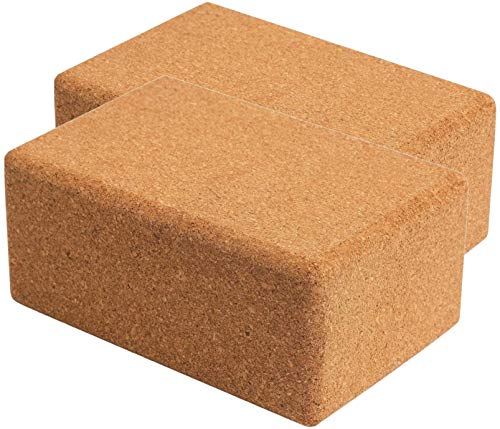
A solid foam block helps you find alignment in poses like triangle and half moon without straining. View on Amazon is a good starting point if you want a firm, supportive shape.
If you practise on a hard floor, a grippy mat keeps the block from skidding. View on Amazon pairs well with most foam block designs.
FAQ
Are foam yoga blocks in the UK the same as the ones sold in the US?
The basic design is the same, but UK sellers often list dimensions in centimetres, so check measurements carefully. Look for density and material details in the product description.
Can I use a foam block instead of a cork block?
Yes, for most standing and seated poses. Foam is lighter and softer, while cork is firmer and more durable, so your choice depends on how much support and weight you need. You can read more in Foam vs Cork Yoga Blocks (2026): Which Is Better for Your Practice?.
How do I know if my block is too soft?
If it visibly dents or slides when you put your weight on it, it is likely too soft for standing poses. A firmer block will hold its shape under your hands and feet.
Conclusion
Choosing yoga foam blocks in the UK comes down to density, size and grip. Pick a firm, textured block that suits the poses you practise, and use it to support your alignment rather than force a stretch. If you have health concerns, check with a qualified professional before you begin.
Related reading
- What Are Foam Yoga Blocks Made From? Materials Explained (2026)
- Difference Between Cork and Foam Yoga Blocks (2026): Which Should You Choose?
- Are Foam Blocks for Yoga Good Enough? Pros, Cons and Fixes
- Are Cork or Foam Yoga Blocks Better? Cork vs Foam (2026)
Ready to choose one?
About Claire Whitaker
Claire Whitaker is part of our editorial team and reviews and edits our yoga guides, checking product details against manufacturer specifications and owner feedback.