By Claire Whitaker
Updated November 2026
A yoga power flow sequence links strong standing poses, core work and quick transitions into one continuous practice. This guide walks you through a complete routine, explains how to move between poses without rushing, and shows you how to adjust the effort so it stays challenging but safe. By the end, you will have a 25-minute sequence you can repeat at home.
What Makes a Yoga Power Flow Sequence Different
Power flow is a vigorous style of vinyasa, where each breath is paired with a movement. The emphasis is on building heat, endurance and balance rather than holding poses for long periods. If you want a slower entry point, the Vinyasa Yoga Flow Sequence: A Step-by-Step Guide for Beginners covers the same movement pattern at a gentler pace. For a more demanding version of the same idea, the Power Vinyasa Yoga Sequence: A Step-by-Step Guide for Strength and Flow goes deeper into arm balances and jump-throughs.
Shopping for one? See our guide: Yoga Sequence for Summer Solstice: 6 Best Books and Planners Compared (2026).
Warm Up Before You Flow
Spend three to five minutes on preparation before any power sequence. Cat-cow, gentle neck rolls and a few slow sun salutations are enough to raise your temperature and open your shoulders and hips. The Yoga Warm Up Sequence: 8 Gentle Moves to Prepare Your Body lists moves you can use here.
The 25-Minute Power Flow Routine
Use this order and hold each transition for one full breath cycle unless noted otherwise.
- Mountain pose to forward fold (2 breaths): Stand with feet hip-width apart, inhale to reach up, exhale to fold forward with soft knees.
- Half lift to plank (2 breaths): Inhale halfway up with a flat back, exhale step or jump back to plank with shoulders stacked over wrists.
- Chaturanga to upward-facing dog (1 breath each): Lower with elbows close to the body, lift the chest into cobra or upward dog, then press back.
- Downward dog (5 breaths): Press the heels toward the floor, keep the spine long and the head relaxed.
- Warrior II to reverse warrior (3 breaths per side): Step forward, bend the front knee to about 90 degrees, then flow into the side bend.
- Crescent lunge series (4 breaths per side): Move between low lunge and high lunge, lifting the arms on each inhale.
- Boat pose hold (5 breaths): Balance on the sitting bones with legs lifted and arms reaching forward, keeping the chest open.
- Seated twist and forward fold (3 breaths): Twist gently, then fold over both legs to release the back.
- Bridge and supported savasana (3 minutes): Lift the hips, then lie still and let your breathing settle.
Pacing, Breath and Modifications
The power in this style comes from breath control, not speed. If you cannot breathe steadily during a movement, slow down or reduce the range of motion. Keep the breath audible but calm, and aim for about five breaths in each held pose. If chaturanga is too hard, lower your knees to the floor before lowering your chest. Beginners can also take the Yoga Flow Sequence for Beginners: A Step-by-Step Guide to Start Safely approach and practice the sequence two or three times a week before adding more intensity.
Listening to Your Body
Sharp pain, pinching in the joints or dizziness are signals to stop. If you have a knee, wrist, shoulder or back condition, check with a doctor or physical therapist before starting a high-intensity practice.
Common Mistakes
- Rushing the transitions and losing alignment in the shoulders and wrists.
- Holding the breath during chaturanga or lunges.
- Locking the knees in standing poses.
- Skipping the cool-down, which leaves the hips and lower back tight.
- Practicing on a slippery surface, which makes plank and downward dog unstable.
Recommended gear
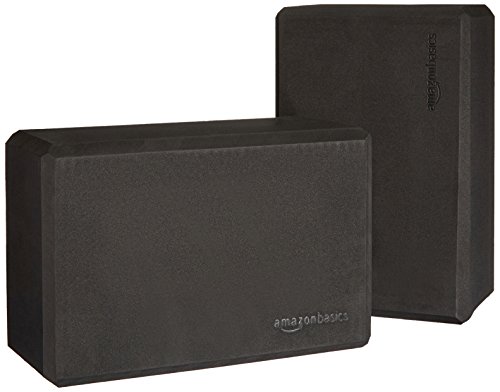
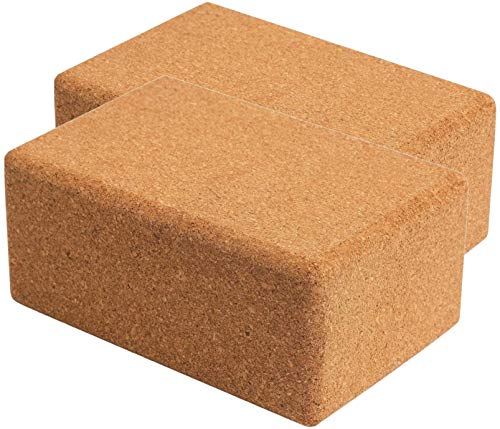
A non-slip mat helps your hands and feet stay put during fast transitions. A set of cork or foam blocks can bring the floor closer when you are learning the lunges and balances. A simple yoga strap lets you reach your feet in seated twists without straining.
- Non-slip yoga mat for vigorous flow work: View on Amazon
- Foam yoga blocks for lunges and balances: View on Amazon
- Yoga strap for seated twists and folds: View on Amazon
FAQ
How often should I practice a yoga power flow sequence?
Two to four sessions per week works well for most people, with at least one rest day between harder practices. Give your joints time to recover, especially if you are new to vigorous movement.
Can I do power flow if I am a beginner?
Yes, as long as you use modifications such as lowering the knees in plank and stepping instead of jumping. Start with shorter holds and build up gradually over several weeks.
How long should a power flow session last?
Most sequences run between 20 and 60 minutes. The 25-minute routine above is a good starting length, and you can extend it by repeating the middle section.
Conclusion
A yoga power flow sequence builds strength, balance and endurance when you link breath to movement and keep your transitions controlled. Follow the routine above, adjust the effort to your level, and add repetitions as your confidence grows. Consistency matters more than intensity, so aim for steady practice over time.
Ready to choose one?
About Claire Whitaker
Claire Whitaker is part of our editorial team and reviews and edits our yoga guides, checking product details against manufacturer specifications and owner feedback.