By Claire Whitaker
Updated November 2026
Yes, yoga blocks come in different sizes, though most fall into a few common formats. This guide explains the standard dimensions, how width, height and density change the way a block feels under your hands, and how to match a block to your body and the poses you practice most.
Standard Yoga Block Sizes
Most yoga blocks are made in one of two main sizes. The first is the standard block, which manufacturers commonly list at about 9 inches long, 6 inches wide and 4 inches high. The second is the slim or compact block, often around 9 by 4 by 3 inches. Some brands also sell a larger “tall” or bolster-style block, and a few sell extra-thick options for deeper support. Because sizing is not standardized across the industry, always check the listed dimensions rather than assuming a label means the same thing from brand to brand.
Shopping for one? See our guide: Foam vs Cork Yoga Blocks (2026): Which Is Better for Your Practice?.
How Size Affects Your Practice
Block dimensions change how much support you get and how far you can reach. A taller block lifts the floor closer to your hands or hips, which helps in standing poses such as triangle or half moon. A wider block gives a more stable base, which matters when you rest your full weight on it, as in bridge pose or supported backbends. A narrower or thinner block offers less height but is easier to slide, store and carry.
Choosing the Right Block for Your Body
Your height, flexibility and the poses you do most often should guide your choice. Use this checklist to narrow it down:
- Note your standing height and your typical reach in forward folds and lunges.
- Decide whether you need a block for lifting (standing poses) or for resting weight (restorative poses).
- Choose a height that lets you keep a neutral spine with your hips or hands resting on it.
- Pick a width that feels stable under your palms or sit bones without wobbling.
- If you practice at home on a soft surface, favor a firm, dense block that will not compress.
Quick Reference
| Block Type | Typical Use | Best For |
|---|---|---|
| Standard | General standing and seated poses | Most beginners and intermediate students |
| Slim or compact | Light support and easy storage | Small spaces and travel |
| Tall or thick | Deeper lifts and restorative support | Taller practitioners and those with limited flexibility |
For a broader look at how these dimensions compare, see Dimensions of Yoga Blocks: Standard Sizes and How to Choose (2026). If you are still deciding how many blocks to own, Best Size for Yoga Blocks: A Step-by-Step Guide to Choosing the Right Fit walks through the fitting process in more detail.
Common Mistakes
- Buying based on the brand name alone, since dimensions vary between manufacturers.
- Choosing a block that is too low, which forces you to strain to reach it.
- Selecting a block that is too tall, which can make standing poses feel unstable.
- Ignoring density; a soft block can collapse under weight and reduce support.
- Assuming one size works for every pose. Many practitioners find two sizes more useful than one.
Recommended Gear
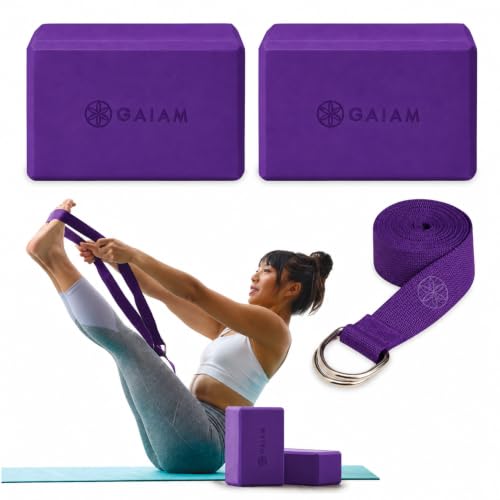
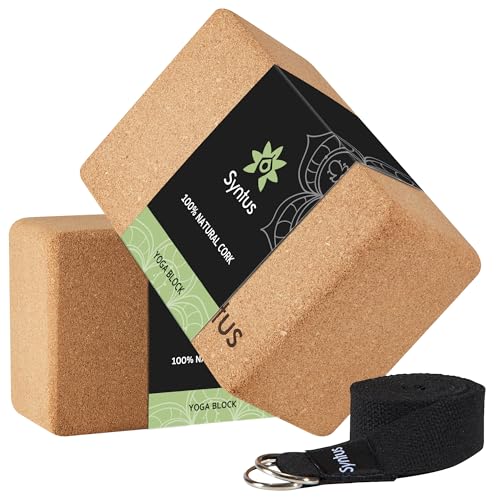
A pair of standard blocks is a practical starting point for most home practices, and a slim pair is useful if storage is limited. A yoga mat and blocks set can make it easier to keep your gear together. View on Amazon
For support during seated and restorative poses, a firm bolster pairs well with blocks. View on Amazon
FAQ
Are all yoga blocks the same size?
No. Although many blocks follow a similar standard, dimensions vary by brand and style, so always compare the listed measurements before buying.
Should I buy one block or two?
Two blocks are generally more versatile, since many poses use a block under each hand or hip. A single block works for some practitioners, especially those who mainly use one for seated support.
Can a taller block replace a shorter one?
A taller block can often be used in place of a shorter one by lifting higher, but it may feel less stable in some poses. If you have a health concern or an injury, consult a qualified instructor or medical professional before changing your setup.
Conclusion
Yoga blocks do come in different sizes, with standard, slim and tall options being the most common. Match the height and width to your body and the poses you practice, and check the listed dimensions before you buy. A well-fitted block will make your practice safer and more comfortable.
Related reading
- Are All Yoga Blocks the Same Size? What to Know Before You Buy
- Yoga Postures with Blocks: 6 Step-by-Step Poses for Better Alignment
Ready to choose one?
About Claire Whitaker
Claire Whitaker is part of our editorial team and reviews and edits our yoga guides, checking product details against manufacturer specifications and owner feedback.