
 By Claire Whitaker
Updated November 2026
If you are asking how many yoga blocks do I need, the honest answer is that two is enough for most home practitioners, and a pair of blocks covers nearly every standing, seated and supported pose in a typical class. Some students prefer three or more for deep backbends or restorative work, while others start with one. This guide walks through the five options that match the most common needs, explains the criteria used to compare them, and shows how to decide the right count for your own practice.
Our top picks at a glance
- 1
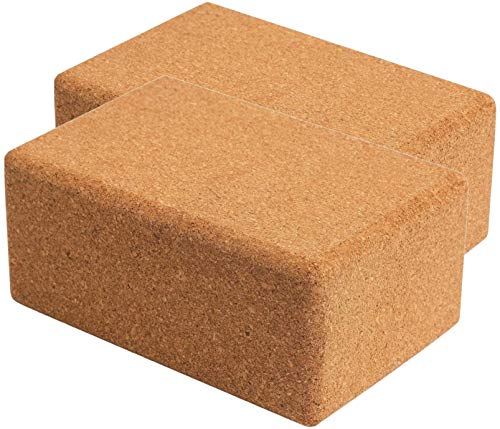 TOP CHOICEBest overallCork Yoga Blocks 2 Pack SetView on Amazon
- 2
 TOP CHOICEBest for small kitchensHatha Yoga Cork Yoga BlockView on Amazon
- 3
 TOP CHOICEBest budget pickHello Fit 3in Foam Bulk Yoga Blocks, 10 PackView on Amazon
- 4
 Best for a premium cork feelYOGA DOOD Premium Cork Yoga Blocks 2 PackView on Amazon
- 5
 Best for large, supportive foamHugger Mugger Big Blue Foam Yoga BlockView on Amazon
The selection criteria here are based on published product specifications, brand reputation and patterns that owners frequently mention: size and thickness, material and grip, weight, durability, and how well each set suits a particular use. None of these products were tested in a lab or used by the author, so treat the comparisons as a research summary rather than a hands-on review.
Our Top Picks
Quick Comparison
| Product | Best for | Key feature |
|---|---|---|
| Cork Yoga Blocks 2 Pack Set | Most home practitioners who want a pair | Natural cork with non-slip surface |
| Hatha Yoga Cork Yoga Block | Small kitchens and tight storage | Compact 9″x6″x4″ cork brick |
| Hello Fit 3in Foam Bulk Yoga Blocks | Studios, schools and group classes | Ten-pack of firm foam blocks |
| YOGA DOOD Premium Cork Yoga Blocks | Students who prioritize grip and stability | Cork blocks with a textured grip |
| Hugger Mugger Big Blue Foam Yoga Block | Restorative poses needing extra height | Large, dense foam block |
Cork Yoga Blocks 2 Pack Set
Cork Yoga Blocks 2 Pack Set -Natural Cork from Portugal, 9"x6"x4" Yoga Blocks Non-Slip&Anti-Tilt for Women| Men, Lightweight, Odor-Resistant| Moisture-Proof, Perfect Yoga Equipment
Best for: Most home practitioners who want a matching pair at a reasonable size.
This set suits students who practice at home several times a week and want two blocks that can handle standing balances, seated forward folds and supported bridges. Two blocks give you a stable base for lunges and triangle pose, and they can be stacked for taller support.
Key specs:
- Listed dimensions: 9 inches by 6 inches by 4 inches
- Sold as a 2-pack
- Natural cork, sourced from Portugal according to the listing
- Marketed as non-slip and odor-resistant
Pros
- Standard size that matches most class-based blocks
- Cork resists moisture and odor better than many foam options
- Pair format makes it easy to set up two-block poses
Cons
- Cork is heavier than foam, which matters if you travel with them
- Surface can feel firm for students new to props
Bottom line: A strong default choice if you want two blocks and plan to use them for most standing and seated work.
View on AmazonHatha Yoga Cork Yoga Block
Hatha Yoga Cork Yoga Block, Natural Cork from Portuguese, Premium Brick 9"x6"x4", Eco-Friendly Yoga Accessories for Yoga, Pilates & Stretching
Best for: Small kitchens and tight storage spaces.
This listing describes a single premium cork brick in the same 9 by 6 by 4 inch footprint. It is a good fit if you want to build a pair gradually, or if you only need one block for specific poses and prefer to keep your home practice compact.
Key specs:
- Listed dimensions: 9 inches by 6 inches by 4 inches
- Natural cork from Portugal, per the listing
- Marketed for yoga, Pilates and stretching
Pros
- Easy to store on a shelf or in a closet
- Standard size for most poses that call for a block
- Natural material with an eco-friendly positioning
Cons
- Sold individually, so you will need a second block for two-block work
- Single block offers less flexibility for stacked support
Bottom line: Best for students who want one solid block to start or who have very limited space.
View on AmazonHello Fit 3in Foam Bulk Yoga Blocks, 10 Pack
Hello Fit 3in Foam Bulk Yoga Blocks, 10 Pack, Purple | Workout Block for Stretching, Pilates, and Workout, Firm and Supportive Exercise Blocks for Home, Schools, and Studios
Best for: Studios, schools and group classes, or anyone who wants a large supply on hand.
A ten-pack of firm foam blocks is practical for instructors setting up a room or for households where several people practice. The 3-inch height is lower than standard cork blocks, which suits some seated and supported poses but may need stacking for others.
Key specs:
- Listed thickness: 3 inches
- Sold as a 10-pack, purple
- Firm foam construction
Pros
- Bulk quantity covers a full class or several students
- Lightweight and easy to carry
- Firm foam holds its shape under regular use
Cons
- 3-inch height is lower than many standard blocks, so you may need to stack for some poses
- Foam can show wear faster than cork over time, according to common owner feedback
Bottom line: The right pick for instructors and groups; for solo home practice, you may only need two or three of these.
View on AmazonYOGA DOOD Premium Cork Yoga Blocks 2 Pack
YOGA DOOD Premium Cork Yoga Blocks 2 Pack – Superior Grip & Stability for Enhanced Alignment – Eco-Friendly Biodegradable
Best for: Students who prioritize grip and stability in balancing poses.
This two-block cork set is positioned around superior grip and alignment support. It suits practitioners who find slippery props distracting, or who use blocks heavily for standing postures like half moon and tree pose.
Key specs:
- Sold as a 2-pack
- Natural cork construction
- Marketed as biodegradable and eco-friendly
Pros
- Cork surface is positioned for strong grip
- Pair format supports two-block setups
- Natural material appeals to students who prefer non-synthetic props
Cons
- Cork is heavier than foam for travel
- Specific dimensions were not confirmed in the listing title, so check the product page before buying
Bottom line: A good upgrade for students who want two cork blocks with a focus on grip and balance.
View on AmazonHugger Mugger Big Blue Foam Yoga Block
Hugger Mugger Big Blue Foam Yoga Block
Best for: Restorative poses that need extra height and a broad, stable surface.
A large foam block is useful when you need more lift than a standard block provides, such as supported child’s pose, reclining bound angle or a supported bridge. It is one piece rather than a pair, so many students combine it with a second standard block.
Key specs:
- Single block
- Large, dense foam construction
- Brand known for restorative and therapeutic yoga props
Pros
- Extra height and width for restorative support
- Dense foam resists collapse under body weight
- Pairs well with standard blocks
Cons
- Bulkier than standard blocks, which takes up storage space
- Single unit, so it does not complete a pair on its own
Bottom line: Ideal as a supplement to a standard pair for students who spend time in restorative and supported work.
View on AmazonBuying Guide
Start With Two Blocks as Your Baseline
Most standing poses, seated forward folds and basic supported postures work well with two blocks. Two gives you symmetry for lunges, side angle and bridge variations, and it lets you stack for height. Many instructors recommend two as the default count for home practice. If your practice is mostly beginner or intermediate, two blocks will cover the majority of what you need.
Good picks for this: Cork Yoga Blocks 2 Pack Set, YOGA DOOD Premium Cork Yoga Blocks 2 Pack
Consider Three or More for Restorative Work
Restorative practice often uses more props. A third block, or a larger block, can support the head, hips or thighs in longer holds. If you regularly do supported backbends, reclining poses or yin-style sequences, add one extra block or a bolster-height prop to your total.
Good picks for this: Hugger Mugger Big Blue Foam Yoga Block, Hatha Yoga Cork Yoga Block
Check Size and Height
Standard yoga blocks are commonly listed at about 9 by 6 by 4 inches. Height matters: a 3-inch foam block gives less lift than a 4-inch cork block, so you may need to stack for the same support. Measure the poses you do most and make sure your blocks reach the height your body needs without forcing you into an unstable position.
Good picks for this: Cork Yoga Blocks 2 Pack Set, Hello Fit 3in Foam Bulk Yoga Blocks, 10 Pack
Compare Material: Cork Versus Foam
Cork offers a firmer, more stable feel and resists moisture and odor, which owners often mention as a benefit over time. Foam is lighter, cheaper to replace in bulk and easier to carry. Choose cork if you want long-term stability on hardwood or tile; choose foam if you travel or teach groups. Neither material is inherently safer, but check that any product you buy meets clear labeling on what it is made from.
Good picks for this: YOGA DOOD Premium Cork Yoga Blocks 2 Pack, Hello Fit 3in Foam Bulk Yoga Blocks, 10 Pack
Think About Grip and Surface
A non-slip surface matters most in standing balances and when your hands rest on the block in lunges or triangle. Cork is commonly described as grippy, while some foam blocks can feel slick when sweaty. If you practice hot yoga or sweat heavily, prioritize texture and test how the block feels under your hands before committing to a full set.
Good picks for this: YOGA DOOD Premium Cork Yoga Blocks 2 Pack, Cork Yoga Blocks 2 Pack Set
Weigh Portability and Storage
Cork blocks are heavier, which can be a drawback for travel or classes where you carry props to and from a studio. Foam blocks are light and easy to transport. If you store blocks in a small apartment, consider the footprint of each option. Two standard blocks take up little room; a bulk pack or a large foam block needs a dedicated spot.
Good picks for this: Hatha Yoga Cork Yoga Block, Hello Fit 3in Foam Bulk Yoga Blocks, 10 Pack
Care and Durability
Wipe blocks down after sweaty sessions and keep them away from direct heat, which can warp foam and dry out cork. Owners of foam blocks often report that surfaces show wear sooner than cork, so inspect them periodically and replace any that have crumbled or lost shape. Follow the care instructions provided by the manufacturer for your specific material.
Good picks for this: Cork Yoga Blocks 2 Pack Set, Hugger Mugger Big Blue Foam Yoga Block
FAQ
How many yoga blocks do I need to start?
Two blocks are enough for most beginners. They cover standing poses, seated work and basic supported postures. You can add a third block later if your practice moves toward restorative or supported work.
Is one yoga block enough?
One block can work for some poses, especially if you use it under one hand or under the sitting bones. However, many two-block poses, such as certain lunges and bridge variations, become awkward or unstable with only one. If you have space and budget considerations, two is the more practical starting point.
How many blocks do you need for restorative yoga?
Restorative sequences often use three or more props. A common setup includes two standard blocks plus a larger or thicker block, or a bolster. Choose the count based on the poses you hold for longer periods and where your body needs support.
Do yoga blocks need to be cork or foam?
No. Cork and foam both work well. Cork is firmer and more stable; foam is lighter and easier to carry. Pick the material that suits your floor, your travel habits and your grip preferences.
What size yoga block is standard?
Many standard blocks are listed around 9 by 6 by 4 inches, which matches several of the products above. Some foam blocks are thinner, around 3 inches. Check the listed dimensions before you buy, especially if you need a specific height for a pose.
Can I use household items instead of blocks?
Yes, but use caution. Sturdy books, a firm cushion or a stack of folded blankets can work in a pinch. For more ideas, see What Are Good Substitutes for Yoga Blocks? 7 Options That Work.
Should I buy blocks with my yoga mat?
Many students start with a mat and then add blocks once they know which poses they practice most. For guidance on pairing the two, see Yoga Blocks and Mat: Do You Need Both? Setup Tips and Picks.
Conclusion
For most home practitioners, the answer to how many yoga blocks do I need is two. A pair handles standing poses, seated work and basic support, and it gives you the stability to practice comfortably. If you teach groups, the Hello Fit 3in Foam Bulk Yoga Blocks, 10 Pack offers the quantity you need. If you practice restorative yoga often, add a larger block such as the Hugger Mugger Big Blue Foam Yoga Block to your pair. Students who value grip and balance may prefer the cork sets, either the Cork Yoga Blocks 2 Pack Set or the YOGA DOOD Premium Cork Yoga Blocks 2 Pack. For tight storage, the Hatha Yoga Cork Yoga Block lets you build a set one piece at a time.
For more on setting up your practice space, see Yoga Blocks Explained and Cork Yoga Blocks Set of 2: How to Choose the Right Pair (7 Factors).
Sources
- Research on exercise, flexibility and musculoskeletal health from the National Institutes of Health (nih.gov)
- General physical activity and safe-exercise guidance from the Centers for Disease Control and Prevention (cdc.gov)
- Product safety information and recall notices from the U.S. Consumer Product Safety Commission (cpsc.gov)
Related reading
About Claire Whitaker
Claire Whitaker is part of our editorial team and reviews and edits our yoga guides, checking product details against manufacturer specifications and owner feedback.


