
 By Lauren Holland
Updated November 2026
If you are looking for yoga poses for inflexible beginners, the right book or guide can make the difference between frustrating stretches and a practice you actually keep up with. This list focuses on titles that teach poses with modifications, not just the advanced versions. Each pick was judged on four criteria: whether the poses are clearly illustrated or described step by step, whether modifications for tight hamstrings, hips and shoulders are included, how well the book explains safety and breathing, and whether the content suits adults who start with little or no flexibility.
Our top picks at a glance
- 1
 TOP CHOICEBest overallYoga for Stiff Birds: Easy Illustrated Yoga Poses for Beginners and Inflexible BodiesView on Amazon
- 2
 TOP CHOICEBest for absolute beginners with limited mobilityYoga Umm? The Inflexible Beginner's Essential Yoga BookView on Amazon
- 3
 TOP CHOICEBest for step-by-step instructions10 Best Yoga Poses A Beginner's Guide to Yoga Poses, Step-by-Step InstView on Amazon
- 4
 Best for gentle, low-effort practiceRestorative Yoga for Beginners: Gentle Poses for Relaxation and HealingView on Amazon
- 5
 Best for a broad pose libraryYoga: The Top 100 Best Yoga Poses: Relieve Stress, Increase Flexibility, and Gain StrengthView on Amazon
- 6
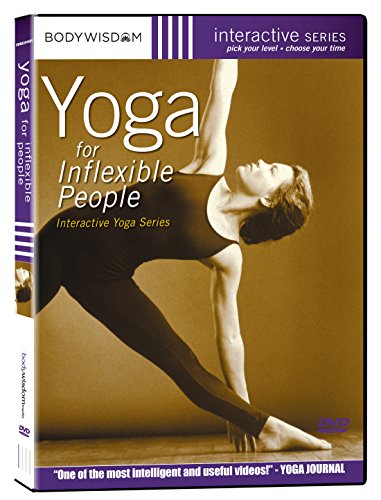 Best budget pickYoga For Inflexible PeopleView on Amazon
- 7
 Best for calm, mindful beginnersYoga for Beginners: Simple Yoga Poses to Calm Your Mind and Strengthen Your BodyView on Amazon
Our Top Picks
Quick Comparison
| Product | Best for | Key feature |
|---|---|---|
| Yoga for Stiff Birds | Illustrated learning | Easy illustrated poses for stiff bodies |
| 10 Best Yoga Poses (Yoga and Health Book 2) | Step-by-step instruction | Instructions, breathing techniques and safety tips |
| Yoga Umm? The Inflexible Beginner’s Essential Yoga Book | Absolute beginners | Modifications with blocks, straps and chair yoga |
| Yoga For Inflexible People | Budget-minded readers | Focus on the stiff, non-flexible body |
| Restorative Yoga for Beginners | Gentle, low-effort practice | Supported, relaxing poses for healing |
| Yoga: The Top 100 Best Yoga Poses | Wide pose variety | 100 poses with stretching and strengthening focus |
| Yoga for Beginners: Simple Yoga Poses to Calm Your Mind | Mindful beginners | Simple poses paired with calming practice |
Yoga for Stiff Birds: Easy Illustrated Yoga Poses for Beginners and Inflexible Bodies
Yoga for Stiff Birds: Easy Illustrated Yoga Poses for Beginners and Inflexible Bodies
Best for: Illustrated learning for stiff beginners
This title suits readers who learn best by looking at the pose before attempting it. Its illustrations and plain-language framing are aimed at people whose bodies do not bend easily yet.
Key specs:
- Format: illustrated yoga guide for beginners
- Focus: poses for inflexible bodies
Pros:
- Illustrations make alignment easier to copy
- Language aimed at people who feel stiff
- Simple layout for quick reference
Cons:
- Less detail on breathing than some longer guides
- Fewer advanced sequences for later progress
Bottom line: A strong first choice if you want to see each pose clearly before you try it. Good for readers who are very new to stretching.
View on Amazon10 Best Yoga Poses: A Beginner’s Guide to Yoga Poses, Step-by-Step Instructions, Health Benefits, Breathing Techniques and Safety Tips (Yoga and Health Book 2)
10 Best Yoga Poses A Beginner's Guide to Yoga Poses, Step-by-Step Instructions, Health Benefits, Breathing Techniques and Safety Tips (Yoga and Health Book 2)
Best for: Step-by-step instruction with safety guidance
Readers who want a clear sequence of steps, plus notes on breathing and safety, will find this guide practical. It works well for people who prefer to follow a written routine rather than explore freely.
Key specs:
- Focus: ten core beginner poses
- Includes: step-by-step instructions, breathing techniques, safety tips
Pros:
- Clear step-by-step structure
- Covers breathing and safety, not just poses
- Short list of poses is easy to start with
Cons:
- Only ten poses, so variety is limited
- Modifications for very tight bodies may be brief
Bottom line: Best for someone who wants a focused, manageable starting routine with safety notes built in.
View on AmazonYoga Umm? The Inflexible Beginner’s Essential Yoga Book
Yoga Umm? The Inflexible Beginner's Essential Yoga Book: A Yoga For Beginners Guide To Modifying Traditional Yoga Poses To Match Your Fitness, Flexibility, and Age With Blocks, Straps, and Chair Yoga
Best for: Absolute beginners who need modifications
This book is written for adults who need to adapt traditional poses to their fitness, flexibility and age. It emphasizes props such as blocks, straps and chairs, which suits readers who cannot yet reach the floor.
Key specs:
- Focus: modifying traditional poses
- Includes: guidance on blocks, straps and chair yoga
Pros:
- Strong focus on modifications for inflexible bodies
- Props-based approach reduces strain
- Chair yoga options for limited mobility
Cons:
- Modifications can feel repetitive for experienced readers
- Less emphasis on advanced progression
Bottom line: The best fit if you need poses adjusted around your current stiffness, age or fitness level.
View on AmazonYoga For Inflexible People
Yoga For Inflexible People
Best for: Budget-minded readers who are stiff
A straightforward book aimed directly at people who feel they cannot touch their toes or sit comfortably on the floor. It is a practical option for readers who want the core idea without extra material.
Key specs:
- Focus: yoga for people with limited flexibility
Pros:
- Direct focus on inflexibility
- Simple, uncomplicated content
- Good starting reference for the basics
Cons:
- Older title, so some layout and examples may feel dated
- Fewer modern safety notes than newer guides
Bottom line: A sensible pick for readers who want a simple, focused introduction and are comfortable with a classic format.
View on AmazonRestorative Yoga for Beginners: Gentle Poses for Relaxation and Healing
Restorative Yoga for Beginners: Gentle Poses for Relaxation and Healing
Best for: Gentle, low-effort practice
Restorative yoga relies on long, supported holds rather than deep stretching, which often suits stiff beginners who find active poses uncomfortable. This book fits readers who want to relax into poses and build flexibility slowly.
Key specs:
- Focus: gentle, supported poses for relaxation
Pros:
- Low-effort poses reduce strain
- Supported holds suit tight hips and hamstrings
- Calming tone for stress relief
Cons:
- Less strengthening than active yoga
- May need props such as bolsters or blankets
Bottom line: Ideal if your main goal is comfort and recovery, and you want an easy entry point before active poses.
View on AmazonYoga: The Top 100 Best Yoga Poses: Relieve Stress, Increase Flexibility, and Gain Strength
Yoga: The Top 100 Best Yoga Poses: Relieve Stress, Increase Flexibility, and Gain Strength (Yoga Postures Poses Exercises Techniques and Guide for Healing Stretching Strengthening and Stress Relief)
Best for: A broad library of poses to choose from
Readers who want variety and plan to build a long-term practice will benefit from the wide range of poses covered. It suits people who like to explore and move between different types of stretching and strengthening.
Key specs:
- Focus: 100 yoga poses
- Covers: stress relief, flexibility and strength
Pros:
- Large pose library for variety
- Addresses flexibility and strength together
- Useful reference as skill grows
Cons:
- Many poses are advanced, which can overwhelm beginners
- Less detail per pose than focused beginner guides
Bottom line: A good reference for beginners who plan to grow into more poses over time, but less ideal as a first and only book.
View on AmazonYoga for Beginners: Simple Yoga Poses to Calm Your Mind and Strengthen Your Body
Yoga for Beginners: Simple Yoga Poses to Calm Your Mind and Strengthen Your Body
Best for: Mindful beginners who want calm and strength
This guide pairs simple poses with a calming approach, which may suit readers who are as interested in stress relief as in flexibility. It is a balanced option for people who want gentle strength work alongside stretching.
Key specs:
- Focus: simple poses for mind and body
Pros:
- Simple pose selection suits new practitioners
- Balances calm with gentle strengthening
- Approachable tone for stiff beginners
Cons:
- Less depth on modifications for very tight bodies
- Fewer illustrations than picture-led guides
Bottom line: Best for beginners who want a calm, balanced introduction and are comfortable following written descriptions.
View on AmazonBuying Guide
Look for Modifications, Not Just Full Poses
A book aimed at inflexible beginners should show how to adapt each pose with blocks, straps, bolsters or a wall. Check the table of contents and sample pages for modification notes. If every pose is shown only in its full form, the book will be hard to use when your hamstrings or shoulders are tight.
Good picks for this: Yoga Umm? The Inflexible Beginner’s Essential Yoga Book, Yoga For Inflexible People
Check for Clear Illustrations or Photos
Stiff beginners often struggle to judge alignment from text alone. Look for clear photos or line drawings that show the starting position, the movement and the end position. Good images reduce the risk of forcing a stretch the wrong way.
Good picks for this: Yoga for Stiff Birds, 10 Best Yoga Poses
Prioritize Step-by-Step Instructions
Numbered steps help you enter and exit a pose safely. Look for guides that explain how to get into a pose, how to hold it and how to come out, not just what the final shape looks like.
Good picks for this: 10 Best Yoga Poses, Yoga for Beginners: Simple Yoga Poses to Calm Your Mind
Consider Breathing and Safety Content
Beginners who are stiff may hold their breath or push into pain. Guides that teach breathing techniques and include safety notes help you stay within a comfortable range. Pay attention to whether the book explains when to stop.
Good picks for this: 10 Best Yoga Poses, Restorative Yoga for Beginners
Match the Style to Your Goal
If your aim is to relax and reduce tension, a restorative book may suit you better than an active one. If you want to build strength and flexibility over time, a larger pose library may be more useful. Decide what you want first, then choose.
Good picks for this: Restorative Yoga for Beginners, Yoga: The Top 100 Best Yoga Poses
Think About Age and Physical Limits
Some books are written for adults who need to adapt poses because of age, injury history or limited mobility. If you have joint pain or a condition that affects movement, look for guides that discuss modifications and props. Consult a doctor or physical therapist before starting if you have an injury or medical condition.
Good picks for this: Yoga Umm? The Inflexible Beginner’s Essential Yoga Book, Yoga for Stiff Birds
Check Whether the Book Is Current
Yoga instruction has changed, and newer books often include updated safety notes and clearer language. Older titles can still be useful, but check whether the advice matches current guidance on safe stretching.
Good picks for this: 10 Best Yoga Poses, Yoga for Stiff Birds
FAQ
What are the best yoga poses for inflexible beginners?
Good starting poses include supported forward folds, seated twists, gentle bridges, child’s pose and standing poses using a wall or chair. These let you build range of motion without forcing deep stretches. A guide that shows modifications for each one is the most useful kind of resource.
Can I do yoga if I cannot touch my toes?
Yes. Most yoga classes and books offer modifications, such as bending the knees, placing hands on a block or using a strap around the feet. Flexibility improves gradually, and many beginners start exactly where you are.
How often should an inflexible beginner practice?
Short, regular sessions usually work better than long, infrequent ones. Many beginners start with 10 to 20 minutes, three to four times a week, and increase time as the body adapts. Stop any pose that causes sharp pain.
Do I need props such as blocks or straps?
Props are not required, but they help. A block brings the floor closer, and a strap lets you reach your feet without rounding your back. Household items like a sturdy book or a belt can work as temporary substitutes.
Is restorative yoga good for stiff beginners?
It can be. Restorative poses rely on support and long holds, which often feels more comfortable than active stretching. It can complement a more active practice as your flexibility grows.
When should I see a professional before starting?
Speak with a doctor or physical therapist if you have a joint injury, recent surgery, osteoporosis, high blood pressure or other health conditions. They can advise which poses to avoid or modify. This article is general information and does not replace individual medical advice.
Conclusion
For most inflexible beginners, a guide with clear illustrations, step-by-step instructions and built-in modifications is the most useful starting point. Yoga for Stiff Birds and Yoga Umm? The Inflexible Beginner’s Essential Yoga Book both focus directly on stiff bodies. If you want a short, structured routine with safety notes, 10 Best Yoga Poses is a good choice. Readers who prioritize calm and comfort may prefer Restorative Yoga for Beginners, while those who want a larger pose library can look at Yoga: The Top 100 Best Yoga Poses. Choose the one that matches your main goal, and progress at a pace that feels comfortable.
Sources
- Research summaries on physical activity, flexibility and safe exercise guidance (nih.gov)
- Recommendations on physical activity and staying active at any fitness level (cdc.gov)
- Evidence-based information on yoga and its use for health (nccih.nih.gov)
Related reading
- Chair Yoga Exercises Printable PDF: 8 Seated Poses for Beginners
- Yoga Wheel Pose for Beginners: A Step-by-Step Guide to Urdhva Dhanurasana
- Yoga Swing Poses for Beginners: A Step-by-Step Guide to Start Safely
- Yoga Standing Poses for Beginners: 6 Steps to Build Strength and Balance
- Yoga Squat Pose for Beginners: A Step-by-Step Guide to Safe Form
- Yoga Positions for Weight Loss Beginners: 6 Poses to Start With
- Yoga Poses with Wheel: A Step-by-Step Guide for Beginners
About Lauren Holland
Lauren Holland is part of our editorial team and reviews and edits our yoga guides, checking product details against manufacturer specifications and owner feedback.
