 By Claire Whitaker
Updated November 2026
A hot yoga towel Manduka style is a practical way to keep your mat grippy when the room gets hot and your hands and feet start to slide. In this guide you will learn how to judge fit, fabric and grip, how to lay the towel on your mat, and how to care for it so it lasts. The goal is a towel that stays put in every pose, from standing balances to floor work.
What a Hot Yoga Towel Does and Why It Matters
A hot yoga towel is a microfiber or cotton-blend layer that sits on top of your mat. It absorbs sweat so your skin does not slip, and it adds a textured surface that holds your hands and feet in place. Many students use one only in heated rooms, while others keep one on hand for any vigorous flow. If you are new to the idea, our overview of Towel for Hot Yoga: 7 Tips to Choose and Use One (Step-by-Step) covers the basics before you buy.
Shopping for one? See our guide: 5 Best Hot Yoga Towels for Sweaty Practice (2026).
The towel does not replace a mat’s cushioning or alignment. It works best as a top layer, and the mat underneath still provides the base. That split of roles matters when you choose a towel, because a towel that is too thick can make standing poses feel unstable.
Step 1: Check Your Mat Size and Shape
Before you shop, measure your mat. Most standard mats are about 68 inches long and 24 inches wide, though many brands sell longer or wider versions. A towel that is shorter than your mat leaves gaps where your feet can slide, so choose a towel that matches or slightly exceeds the length of your mat.
Lay your mat flat and measure its length and width with a tape measure. Write the numbers down. Then compare them with the towel size listed by the manufacturer, which is usually given as length by width in inches.
Step 2: Choose the Right Fabric
Fabric decides how much sweat the towel can absorb and how it feels under your hands. Microfiber is the most common choice for hot yoga because it absorbs quickly and dries fast. Cotton blends feel softer but can take longer to dry and may hold odor if they are not washed often.
Look for a towel with a grippy backing or silicone dots on the underside. Those dots keep the towel from shifting on the mat. If you practice in a very hot room, a towel with a tighter weave usually holds more moisture without feeling soggy.
Step 3: Compare Grip Options
Grip is what separates a towel that works from one that slides. Some towels rely on a silicone print, while others use a rubberized backing. Each approach has trade-offs. Printed silicone is often thinner and lighter, while a full rubber backing can add a little more stability on hard floors.
Test grip at home before a class if you can. Stand on the towel in a few poses, such as tree and warrior II, and press your palms down in downward dog. If the towel bunches or moves, it is not a good match for your practice.
Step 4: Set Up the Towel on Your Mat
- Lay your mat flat on a clean, dry floor.
- Place the towel on top with the grippy side facing the mat.
- Smooth out wrinkles from the center outward using your palms.
- Align the towel so the ends match the edges of the mat.
- Do a quick test by standing in mountain pose and pressing into the floor.
If the towel shifts, check that the mat is not wet underneath and that the towel is seated flat. Some students also wipe the mat with a light spray before laying the towel, but avoid overly wet mats, since water can weaken grip.
Step 5: Adjust for Your Practice Style
A flow class with frequent jumps needs a towel that stays secure through quick transitions. A slower practice with long holds may favor a softer top layer. Think about how often you move between standing and floor poses, and whether you use your hands for weight-bearing transitions such as plank. Our guide to Hot Yoga Towel Mat: 7 Steps to Choose and Use One Well shows how to match the towel to your style.
Also consider whether you will use the towel alone or with a mat. Some students use a towel on a thin travel mat, while others prefer it as an added layer on a thicker base. Each setup changes how stable your standing poses feel.
Step 6: Care for Your Towel So It Lasts
Wash the towel after every hot session. Sweat and oil build up in the fibers, which reduces absorbency and can make the towel smell. Use a gentle detergent and avoid fabric softener, since it can coat the fibers and reduce grip. Air dry the towel flat or hang it, and avoid high heat, which can damage silicone prints.
| Care task | How often | Why it matters |
|---|---|---|
| Rinse after class | Every session | Removes salt and sweat before it sets |
| Machine wash cold | After every hot practice | Keeps fibers absorbent |
| Air dry flat | Every wash | Protects grip and shape |
| Check for wear | Monthly | Spots thin areas before they slip |
Common Mistakes to Avoid
- Buying a towel that is shorter than the mat, which leaves slippery gaps.
- Skipping washes, which lets sweat and oil reduce absorbency.
- Using fabric softener, which can coat the fibers and reduce grip.
- Choosing a towel that is too thick for balance poses.
- Drying on high heat, which can warp silicone dots.
Tips for Better Grip and Comfort
Wipe your hands and feet with a small towel before you start, since dry skin often grips better than a wet surface. Keep a spare hand towel nearby for mid-class wipe-downs. If you practice in a very humid room, a towel with a tighter weave may feel more secure than a loose terry style.
Recommended gear
- Manduka eQua Hand Towel: a fast-drying hand towel that many students keep nearby for quick sweat control during class. View on Amazon
- Manduka eQua Yoga Mat Towel: designed as a top layer for hot practice, with a grippy backing that helps it stay in place on the mat. View on Amazon
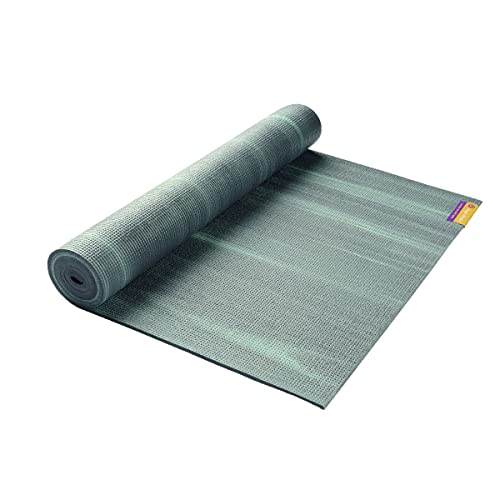
- Manduka eQua Yoga Mat: a closed-cell mat that pairs well with a towel layer for stable standing poses. View on Amazon
FAQ
Do I need a towel if I already have a grippy mat?
Not always. A grippy mat can handle many poses, but a towel helps when sweat builds up quickly. Many students use a towel mainly in heated rooms or during intense flows.
What size towel should I buy?
Choose a towel that matches or slightly exceeds your mat’s length. Standard mats are often around 68 inches long, so look for towels in a similar size range.
How often should I wash my hot yoga towel?
Wash it after every hot session if you can. Frequent washing keeps the fibers absorbent and reduces odor.
Can I put a hot yoga towel in the dryer?
Air drying is safer. High heat can damage silicone grip and shorten the life of the towel.
Does fabric softener affect grip?
It can. Fabric softener coats the fibers, which may reduce grip and absorbency over time. Skip it when washing yoga towels.
Will a towel slide on a wet mat?
It can. Make sure the mat is dry underneath, and avoid spraying too much water before laying the towel.
Are microfiber towels better than cotton for hot yoga?
Microfiber usually dries faster and absorbs more sweat, which many students prefer for hot classes. Cotton can feel softer but may take longer to dry.
Conclusion
A hot yoga towel Manduka style works best when it fits your mat, uses a fabric that absorbs well, and has a grippy backing. Measure your mat, test grip at home, and wash the towel after every hot session to keep it working. With the right setup, you can focus on your breath and alignment instead of sliding out of poses.
Related reading
Ready to choose one?
About Claire Whitaker
Claire Whitaker is part of our editorial team and reviews and edits our yoga guides, checking product details against manufacturer specifications and owner feedback.