 By Claire Whitaker
Updated November 2026
Choosing a rubber mat for yoga comes down to a few practical questions: how much grip you need, how much cushion your joints want, how much room your body takes up, and whether you practice in a warm studio or a cool living room. This guide compares three well-known options against those criteria. We looked at manufacturer specifications, brand reputation and the patterns owners tend to describe in their feedback, with a focus on traction, thickness, sizing and ease of care. Nothing here is based on our own lab testing, so treat the specs as the manufacturers state them and check the listing before you buy.
Our top picks at a glance
- 1
 TOP CHOICEBest overallManduka eKO Lite Yoga MatView on Amazon
- 2
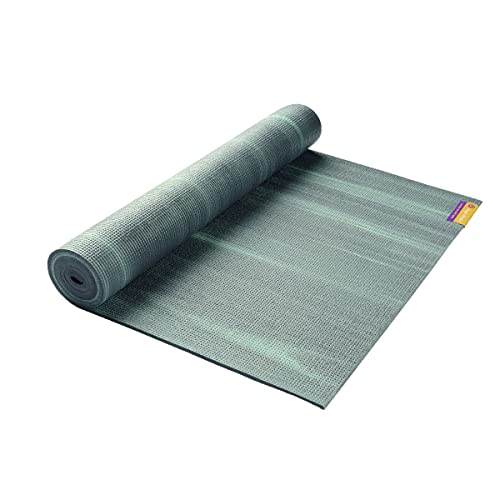
 Best for hot yogaGaiam Dry-Grip Yoga Mat, Non-Slip, Hot Yoga (Marbled)View on Amazon
- 3
 Best for eco-minded buyersSatori Concept Cork Yoga Mat with Natural Rubber Base, Extra Size, Thickness and SupportView on Amazon
Our Top Picks
Quick Comparison
| Product | Best for | Key feature |
|---|---|---|
| Manduka eKO Lite Yoga Mat | Everyday practice with dependable traction | Natural rubber base with a textured grip surface |
| Gaiam Dry-Grip Yoga Mat | Hot yoga and sweaty sessions | Sweat-resistant dry-grip surface |
| Satori Concept Cork Yoga Mat with Natural Rubber Base | Buyers who want a cork top layer and an eco-focused build | Cork surface over a natural rubber base |
Manduka eKO Lite Yoga Mat
Manduka | eKO Lite Yoga Mat | Deep Sea | 71 x 24 in, 4mm | Textured Grip, Natural & Reliable Traction, Responsive Cushion, Natural Rubber, Hygienic, Easy to Clean
Best for: Everyday practice with dependable traction
This is a good fit for practitioners who want a mat that stays put during standing poses and balance work without a lot of fuss. It suits people moving between vinyl-free, natural-material mats and those who prefer a responsive feel over a very plush one.
Key specs
- Dimensions listed as 71 x 24 in
- Thickness listed as 4 mm
- Natural rubber construction
- Textured grip surface
Pros
- Textured surface offers reliable traction for standing and balance poses
- Responsive cushion gives a connected feel without feeling unstable
- Natural rubber base is commonly described by owners as easy to wipe clean
Cons
- At 4 mm, it offers less padding than thicker mats for knee-heavy work
- Can feel slightly firm to people who want a soft, sinking surface
Bottom line: A strong all-around choice for practitioners who want grip and a responsive feel for daily sessions. Consider a thicker mat if your knees or wrists need more cushion.
View on AmazonGaiam Dry-Grip Yoga Mat, Non-Slip, Hot Yoga (Marbled)
Gaiam Dry-Grip Yoga Mat, Non-Slip, Hot Yoga (Marbled) | Sweat-resistant dry-grip surface stays non-slip even in hot yoga.
Best for: Hot yoga and sweaty sessions
This mat is aimed at people who sweat heavily during practice and need a surface that keeps its grip when hands and feet are damp. It also suits studio-style classes where the room runs warm.
Key specs
- Dry-grip, sweat-resistant surface
- Marbled finish
- Designed for hot yoga use
Pros
- Dry-grip surface is built to stay non-slip when perspiration builds up
- Suitable for both hot and standard room temperatures
- Marbled design is a visual option for buyers who want something different
Cons
- Dry-grip surfaces can feel less cushioned than a plush mat
- Specific thickness and dimensions should be confirmed on the listing before purchase
Bottom line: The right pick if your practice is sweaty and grip is your first priority. Check the listing for exact dimensions if you need extra length.
View on AmazonSatori Concept Cork Yoga Mat with Natural Rubber Base, Extra Size, Thickness and Support
Satori Concept Cork Yoga Mat with Natural Rubber Base, Extra Size, Thickness and Support, Excellent Cushion & Grip, Non-Slip, Non-Toxic, Sweat-Resistant, Sustainable, Eco-friendly Exercise Mat (Mounta
Best for: Buyers who want a cork top layer and an eco-focused build
This option is for people who prefer natural materials and want a mat that combines a cork surface with a rubber base. It also suits those who want a larger, more supportive footprint for longer sessions.
Key specs
- Cork surface over a natural rubber base
- Listed as an extra-size mat
- Described as non-toxic and sweat-resistant
Pros
- Cork surface is often described by owners as naturally grippy
- Natural rubber base adds stability on hard floors
- Extra size gives room for wider stances and full-body flows
Cons
- Cork top layers can need a little more care than fully rubber surfaces
- Heavier than many standard mats, which matters if you carry it often
Bottom line: A good match for eco-focused practitioners who want room and support. If you travel frequently, weigh the size against how much you will carry it.
View on AmazonBuying Guide
Grip and Surface Texture
Grip is the main reason people search for a rubber mat for yoga. Look for a textured or dry-grip surface if you sweat, practice balance poses or use a hot room. Smooth finishes can look clean but may slide during standing sequences. Surface texture matters more than thickness when your hands or feet need to hold.
Good picks for this: Gaiam Dry-Grip Yoga Mat, Manduka eKO Lite Yoga Mat
Thickness and Cushion
Thickness changes how the mat feels under your knees, wrists and hips. Thinner mats, around 4 mm, give more ground feel and stability. Thicker mats add padding but can reduce balance in standing poses. Consider your joints and the type of practice you do most.
Good picks for this: Manduka eKO Lite Yoga Mat, Satori Concept Cork Yoga Mat with Natural Rubber Base
Size and Fit
Measure your height and the width you need for wide stances. Standard mats are commonly around 68 to 72 inches long, while extra-length or extra-wide mats give more room. Make sure the mat fits your storage space and your bag if you carry it to class. A mat that is too short can cause you to step off the edge during floor work.
Good picks for this: Satori Concept Cork Yoga Mat with Natural Rubber Base, Manduka eKO Lite Yoga Mat
Practice Environment
Where you practice shapes the mat you need. Hot rooms call for sweat-resistant surfaces. Carpet or cold floors may need extra cushion or a non-slip base. If you practice outdoors, check how the surface handles dirt and moisture.
Good picks for this: Gaiam Dry-Grip Yoga Mat, Satori Concept Cork Yoga Mat with Natural Rubber Base
Material and Eco Considerations
Natural rubber and cork are popular with buyers who prefer plant-based or less synthetic materials. Check the listing for what each layer is made of. If you have sensitivities to rubber or latex, read the material details carefully and consider consulting a healthcare professional before you buy.
Good picks for this: Satori Concept Cork Yoga Mat with Natural Rubber Base, Manduka eKO Lite Yoga Mat
Durability and Wear
A rubber mat for yoga should hold its surface through regular use. Look for edges that stay flat and surfaces that do not peel. Owners often mention that surface wear shows up first in high-contact areas like the hands and feet, so consider how often you practice.
Good picks for this: Manduka eKO Lite Yoga Mat, Gaiam Dry-Grip Yoga Mat
Cleaning and Care
Plan on wiping your mat after each session and doing a deeper clean regularly. Check whether the manufacturer recommends a specific cleaner, since some harsh chemicals can break down rubber or cork. Air drying away from direct sun helps preserve the material.
Good picks for this: Manduka eKO Lite Yoga Mat, Gaiam Dry-Grip Yoga Mat
FAQ
Is a rubber mat for yoga better than a PVC mat?
It depends on your priorities. Rubber mats are often chosen for their natural grip and for buyers who prefer materials that are not PVC-based. PVC mats are often lighter and less expensive per unit of thickness. Neither is universally better, so match the material to your grip, eco and budget needs.
How thick should a yoga mat be for knee comfort?
Many practitioners find that 4 mm is enough for standing and balance work, while knee-heavy floor sequences may feel better with more cushion. If you have joint concerns, a physical therapist or doctor can give advice tailored to you.
Can I use a rubber mat for yoga in hot yoga?
Yes, but choose a mat marketed for sweat resistance or dry grip. Gaiam’s dry-grip option is designed with hot practice in mind, according to the manufacturer.
How do I clean a rubber mat for yoga?
Wipe it down after each session with a damp cloth and a mild cleaner recommended by the manufacturer. Avoid harsh solvents and let the mat air dry fully before rolling it up.
Do I need an extra-long mat?
Only if you are taller than average or do wide, long poses. Check the listed length and compare it to your height before buying.
Will a rubber mat for yoga slip on hardwood floors?
Grip depends on the surface and the mat’s underside. Natural rubber bases tend to grip hard floors well, but if you notice sliding, try a mat with a textured underside or place it on a non-slip surface.
Conclusion
For everyday practice with reliable traction, the Manduka eKO Lite Yoga Mat is a balanced choice. If you sweat heavily or practice in a warm room, the Gaiam Dry-Grip Yoga Mat is built for that use. For buyers who want a natural cork top, a natural rubber base and extra room, the Satori Concept Cork Yoga Mat with Natural Rubber Base is worth a look. Match the mat to your room, your joints and how you move, and check each listing for current specifications before you buy.
Sources
- Consumer product safety information and guidance on product labeling and recalls (cpsc.gov)
- Health information on joint care and exercise considerations for knees and wrists (nih.gov)
- Exercise guidance and safety principles for mobility and flexibility training (acefitness.org)
Related reading
- Yoga Mat Natural Rubber: How to Choose and Care for One (Step-by-Step)
- Yoga Mats for Beginners
- Yoga Mat for Yin Yoga: 4 Best Picks for Slow, Floor-Based Practice
About Claire Whitaker
Claire Whitaker is part of our editorial team and reviews and edits our yoga guides, checking product details against manufacturer specifications and owner feedback.