
 By Claire Whitaker
Updated November 2026
If you are searching for melting point hot yoga, you are most likely trying to learn the sequence, understand the postures and build a home or studio practice that feels safe and steady. The five picks below are books and guides, not equipment, because the main thing a new hot yoga student needs is clear instruction. Each one was chosen on the basis of its stated scope, the reputation of its author or publisher, and the kinds of feedback owners commonly report, such as whether the posture descriptions are easy to follow and whether the alignment cues are practical. None of these were tested by the writer, and the descriptions reflect publisher information and general reader patterns rather than personal use.
Our top picks at a glance
- 1
 TOP CHOICEBest overallThe Hot Yoga Method: Classic 26View on Amazon
- 2
 TOP CHOICEBest for posture referenceYour Hot 26 Yoga Pose GuideView on Amazon
- 3
 TOP CHOICEBest for practice philosophyBeyond Hot Yoga: On Patterns, Practice, and MovementView on Amazon
- 4
 Best for advanced techniqueHot Yoga MasterClassView on Amazon
- 5
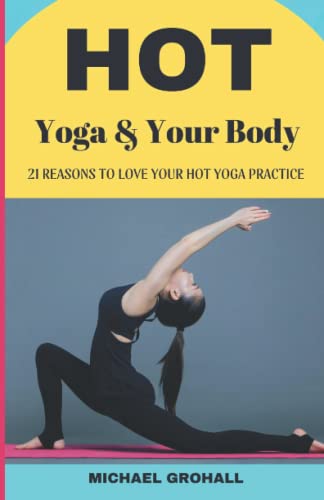 Best for understanding the bodyHOT Yoga & Your BodyView on Amazon
Our Top Picks
Quick Comparison
| Product | Best for | Key feature |
|---|---|---|
| The Hot Yoga Method: Classic 26 | Learning the original sequence | Structured guide to the 26-posture series |
| Your Hot 26 Yoga Pose Guide | Looking up individual postures | Sanskrit names, alignment cues and benefits |
| Beyond Hot Yoga | Understanding practice as a whole | Focus on patterns and movement |
| Hot Yoga MasterClass | Refining technique over time | Precision techniques from beginner to advanced |
| HOT Yoga & Your Body | Students who want the why behind the practice | Discussion of physical benefits and body awareness |
The Hot Yoga Method: Classic 26
The Hot Yoga Method: Classic 26: A Structured Guide to the Original 26-Posture Hot Yoga Series
Best for: Learning the original sequence in a structured way
This is the book to start with if you want a clear, ordered introduction to the classic 26-posture series. It suits beginners who are attending a studio and want to understand what the teacher is cueing before they walk in, and it also suits students who practice at home and need a reliable sequence to follow.
Key specs
- Format: print book
- Subject: the original 26-posture hot yoga series
- Structure: organized as a guided sequence
Pros
- Sequence is laid out in a logical order that is easy to follow
- Useful for preparing before a first class
- Gives a common reference language for studio instructions
Cons
- Less detailed on individual alignment adjustments than a dedicated posture guide
- Focused on one series, so it does not cover broader hot yoga styles
Bottom line: A strong first purchase for anyone who wants to learn the classic sequence step by step.
View on AmazonYour Hot 26 Yoga Pose Guide
Your Hot 26 Yoga Pose Guide: Master All 26 Postures with Sanskrit Names, Alignment Cues & Benefits for Students, Teachers & Home Practice
Best for: Looking up individual postures and their alignment cues
This guide is built for reference. If you want to check the Sanskrit name of a posture, review the alignment points for your feet or hips, or read about the benefits of a specific pose, this is the one to keep nearby. It works well for students, teachers and anyone building a home practice.
Key specs
- Covers all 26 postures
- Includes Sanskrit names, alignment cues and benefits
- Written for students, teachers and home practitioners
Pros
- Easy to scan when you need one specific posture
- Alignment cues help reduce guesswork at home
- Useful for teachers building class notes
Cons
- Works best alongside a sequence guide rather than on its own
- Reference format can feel dense for complete beginners
Bottom line: The right choice if you already know the basic flow and want a dependable posture-by-posture reference.
View on AmazonBeyond Hot Yoga: On Patterns, Practice, and Movement
Beyond Hot Yoga: On Patterns, Practice, and Movement
Best for: Understanding practice as a whole, beyond individual postures
This title looks at hot yoga through the lens of patterns and movement rather than a single sequence. It suits readers who have some experience and want to think more deeply about why they practice the way they do, how to build consistency and how to notice what their body is telling them over time.
Key specs
- Focus: patterns, practice and movement
- Reflective rather than sequence-based
Pros
- Encourages thoughtful, long-term practice habits
- Complements a posture guide well
- Useful for teachers who want to think about class design
Cons
- Not a step-by-step guide, so it is a poor choice for a first read
- Readers looking for quick alignment tips may find it too conceptual
Bottom line: Best for students who already have a foundation and want to develop their own philosophy of practice.
View on AmazonHot Yoga MasterClass
Hot Yoga MasterClass: Bikram and Hot Yoga Precision Techniques for Beginners to Advanced
Best for: Refining technique from beginner to advanced levels
This book is aimed at practitioners who want precision. It is organized around technique, which makes it useful for students who have moved past the basics and want to sharpen their alignment, balance and control over the course of a longer practice.
Key specs
- Covers precision techniques for hot yoga and Bikram-style practice
- Written for beginners through advanced students
Pros
- Technique-focused, which suits students aiming to refine form
- Useful across several experience levels
- Pairs well with regular studio classes
Cons
- Can feel advanced for true beginners
- Technical focus means it offers less on general wellness context
Bottom line: A good pick for intermediate students who want to improve precision and control.
View on AmazonHOT Yoga & Your Body
HOT Yoga & Your Body: 21 Reasons to Love Your Hot Yoga Practice
Best for: Students who want to understand the physical reasons behind the practice
This book takes a body-first approach. It is useful for readers who want to know how hot yoga affects the body and why it is worth returning to the mat, and it can help build the kind of body awareness that supports safer practice.
Key specs
- Focus: physical benefits and body awareness in hot yoga
- Written in an accessible, reflective style
Pros
- Helpful context for new students who are curious about benefits
- Encourages attention to how the body responds
- Easy to read in short sessions
Cons
- Contains less posture-by-posture instruction than a sequence guide
- Benefit claims should be checked against your own health situation
Bottom line: A useful companion for anyone who wants motivation and body awareness alongside technique.
View on AmazonBuying Guide
Match the Book to Your Experience Level
Beginners usually benefit most from a sequence-based guide, because it tells you what comes next in class. Intermediate and advanced students often get more value from technique-focused or reflective titles. Think about where you are now rather than where you hope to be in a year.
Good picks for this: The Hot Yoga Method: Classic 26, Hot Yoga MasterClass
Check Whether the Book Is Sequence-Based or Reference-Based
Sequence books walk you through a set order of postures. Reference guides let you look up one posture at a time. If you are learning a series for the first time, sequence-based content is usually easier to use. If you already know the flow, a reference guide saves time.
Good picks for this: The Hot Yoga Method: Classic 26, Your Hot 26 Yoga Pose Guide
Look for Clear Alignment Cues
Good alignment instruction describes where the body should be, not just what it should look like. Look for descriptions of foot, knee, hip and spine placement, and check whether the book explains common mistakes. Clear cues reduce the risk of forcing a posture.
Good picks for this: Your Hot 26 Yoga Pose Guide, Hot Yoga MasterClass
Consider How You Will Use It
Think about whether you will read cover to cover, keep the book open during home practice, or bring it to class. A compact, well-indexed guide suits practice on a mat. A longer reflective book suits reading between sessions.
Good picks for this: Your Hot 26 Yoga Pose Guide, Beyond Hot Yoga
Check the Level of Body Awareness Content
Some books focus on posture mechanics while others explain how the body responds to heat and repetition. If you are returning to practice after a break, or you are managing a health concern, body-awareness material can be especially helpful. Anyone with a medical condition should consult a qualified healthcare professional before starting a new practice.
Good picks for this: HOT Yoga & Your Body, Beyond Hot Yoga
Think About Long-Term Value
A book you return to for years is worth more than one you read once. Titles that cover patterns, principles and technique tend to stay useful as your practice changes. Reference guides can also remain helpful as you revisit postures over time.
Good picks for this: Beyond Hot Yoga, Hot Yoga MasterClass
Match the Book to Your Goals
If your goal is to attend classes confidently, choose a sequence guide. If your goal is to build a home practice, add a reference title. If your goal is deeper understanding, choose a reflective or technique-focused book. Matching the book to a specific goal prevents buying content you will not use.
Good picks for this: The Hot Yoga Method: Classic 26, HOT Yoga & Your Body
FAQ
What does melting point hot yoga mean?
Melting point hot yoga is a search phrase people use when looking for guidance, instruction or resources related to hot yoga practice. The books in this list are the most practical way to learn the material at your own pace.
Do I need a book before my first hot yoga class?
No, but reading a sequence guide beforehand can make the first class feel more familiar. Most studios provide instruction during class, so the book is a helpful supplement rather than a requirement.
Which book is best for learning the classic sequence?
The Hot Yoga Method: Classic 26 is organized around the original 26-posture series, which makes it a logical starting point for most students.
Are these books enough to practice safely at home?
Books can explain postures and alignment, but they cannot observe your form. Consider pairing reading with occasional studio classes, and consult a qualified healthcare professional if you have any medical condition, are pregnant, or have concerns about heat exposure.
Is hot yoga suitable for everyone?
Hot yoga involves high room temperatures and humidity, which is not appropriate for everyone. People with heart conditions, high or low blood pressure, diabetes, or who are pregnant should speak with a doctor before starting. Staying hydrated and leaving the room when you feel unwell are standard precautions.
Can I use a reference guide and a reflective book together?
Yes. Many students use a posture reference for technique and a reflective title for motivation and perspective. Using both gives you practical instruction and a broader understanding of your practice.
Should beginners avoid technique-focused books?
Not necessarily, but technique-focused titles can feel advanced at first. Beginners often get more out of sequence guides and body-awareness books before moving on to precision-focused material.
Conclusion
For most readers searching for melting point hot yoga resources, The Hot Yoga Method: Classic 26 is the most practical starting point, because it lays out the sequence in order. Students who need quick posture checks will find Your Hot 26 Yoga Pose Guide more useful, while HOT Yoga & Your Body suits readers who want to understand the physical side of practice. Beyond Hot Yoga fits students who want to think about patterns and long-term development, and Hot Yoga MasterClass is best for intermediate practitioners refining technique. Choose based on your current level and what you plan to do with the book.
Sources
- Guidance on heat exposure, hydration and warning signs of heat-related illness (cdc.gov)
- Research summaries on physical activity, flexibility and recommendations for people with health conditions (nih.gov)
- General information on heat safety and exercise precautions for adults (mayoclinic.org)
Related reading
- Yoga Wear for Hot Yoga: How to Choose Fabrics, Fit and Layers
- Yoga Clothes for Hot Yoga: 7 Fabric and Fit Tips for Sweaty Sessions
- Tula Hot Yoga Denver: A Step-by-Step Guide for First-Time Students
- Towel for Hot Yoga: 7 Tips to Choose and Use One (Step-by-Step)
- Top 3 Hot Yoga Houston TX Picks: Houston Shirts and Gear Compared
About Claire Whitaker
Claire Whitaker is part of our editorial team and reviews and edits our yoga guides, checking product details against manufacturer specifications and owner feedback.



