By Claire Whitaker
Updated November 2026
If you are looking at yoga blocks and straps from Decathlon, the useful question is not which set looks best but which one will support your body in poses you actually practice. This guide walks through the factors that matter, how to test a set once it arrives, and how to use blocks and straps safely at home. By the end, you will know what to look for and how to make the most of the gear you buy.
Step 1: Decide What You Need Support For
Blocks and straps do different jobs, so start with your practice. Blocks raise the floor toward your hands or hips, which makes standing and seated poses more accessible. Straps extend your reach, letting you hold a foot, thigh or hip without rounding your spine. If you mostly stretch hamstrings, straps will do more for you. If you mostly work on standing balance or seated forward folds, blocks will get more use. Many home practitioners end up wanting both, which is why many pairs are sold as a set. For specific ideas, see Yoga Poses with Blocks: 6 Steps to Better Alignment and Support and Yoga Straps Explained.
Shopping for one? See our guide: 5 Best Yoga Strap and Blocks Sets for Home Practice (2026).
Step 2: Check Block Construction and Size
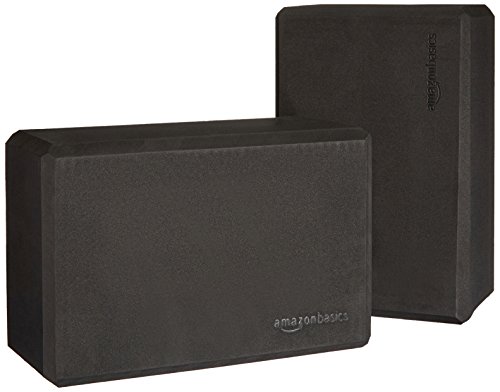
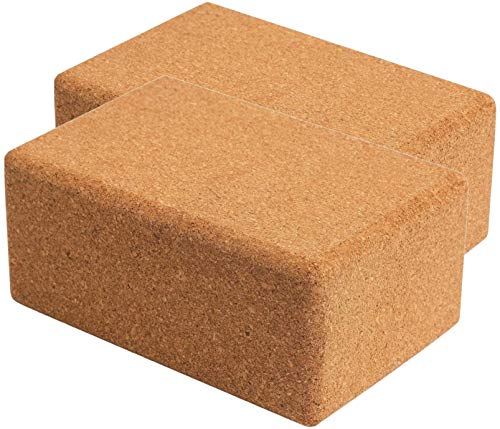
Most blocks are made from foam (usually EVA or a dense closed-cell foam), cork or wood. Foam is light and forgiving, cork is firmer and more stable, and wood is the most rigid. Check the manufacturer’s stated dimensions before you buy. Standard yoga blocks are commonly listed around 9 inches long by 6 inches wide by 4 inches high, though sizes vary by brand. A taller block suits taller practitioners or those who need more height for seated poses, while a lower profile works better for tight hamstrings in standing work. Confirm the block has a non-slip surface, since a slick finish can slide on a hard floor.
Step 3: Check Strap Material, Length and Buckle
Yoga straps are usually cotton or a cotton-blend webbing, sometimes with a reinforced loop. Cotton is soft on the skin and easy to grip, while synthetic blends tend to be more slip-resistant when wet. Strap length is the detail people most often overlook. Many manufacturers list lengths around 8 feet, which is generally enough to loop around a foot or thigh while you lie on your back. Look at the buckle or D-ring style too. A simple, sturdy hardware piece that doesn’t pinch the skin matters more than any decorative detail.
Step 4: Test Your Set Before You Rely On It
Once your blocks and straps arrive, run a short check before using them in a demanding pose:
- Stand a block on a flat floor and press down on it with your full weight, first on one edge and then on a corner.
- Look for cracks, soft spots or loose glue on the surface.
- Loop the strap around a sturdy object and pull hard in several directions to check the loop and buckle.
- Lie on your back, place the strap around one foot and slowly straighten the leg, listening for any slipping or stretching.
Step 5: Use Blocks and Straps Safely
Set up blocks on a stable, non-slip surface such as a yoga mat. Start with the block at its lowest height and raise it only when a pose feels too deep. With straps, keep the spine long and the movement slow, and never pull hard enough to round your lower back. Pair your gear with a plan: Yoga Exercises with Blocks: 6 Beginner-Friendly Moves to Try at Home offers gentle sequences to start with. If you have an injury, a chronic condition or pain during practice, speak with a doctor or a qualified physical therapist before adding new props to your routine.
Common Mistakes
- Buying the longest strap without checking whether it suits your height and flexibility.
- Using a block on a slippery floor or without a mat underneath.
- Stacking blocks unevenly, which can tip you during balance poses.
- Pulling too hard on a strap instead of letting the prop support the stretch.
- Ignoring sharp pain, which is a signal to back off rather than push through.
Recommended Gear
- Cork yoga block – a firmer, stable option that suits balance and standing poses well. View on Amazon
- Cotton yoga strap – soft on the skin and easy to grip for hamstring and hip stretches. View on Amazon
- Non-slip yoga mat – keeps blocks and feet from sliding during practice. View on Amazon
FAQ
Are Decathlon yoga blocks and straps good for beginners?
They can be, as long as the block surface is non-slip and the strap is sturdy and comfortable to hold. Check the material and dimensions against your practice before buying.
How long should a yoga strap be?
Many straps are around 8 feet, which is enough for most people to reach a foot while lying on the back. Taller practitioners or those with less flexibility may prefer a longer strap.
Can I use a yoga block instead of a book or cushion?
A block gives a firmer, more even surface than most household objects, which makes it more stable under load. For pain or injury concerns, check with a healthcare professional first.
Conclusion
Choosing yoga blocks and straps comes down to matching the construction and length to your practice, then testing the gear before you rely on it. Start with one block and one strap, use them at their lowest setting, and add height or length as your flexibility grows. Consult a professional if you have an injury or ongoing pain.
Related reading
- 6 Best Gaiam Yoga Blocks and Strap Sets for Home Practice (2026)
- 5 Best Yoga Blocks and Strap Sets for Home Practice (2026)
- Yoga Postures with Blocks: 6 Step-by-Step Poses for Better Alignment
Ready to choose one?
About Claire Whitaker
Claire Whitaker is part of our editorial team and reviews and edits our yoga guides, checking product details against manufacturer specifications and owner feedback.